Review: A Clockwork Orange (1971)
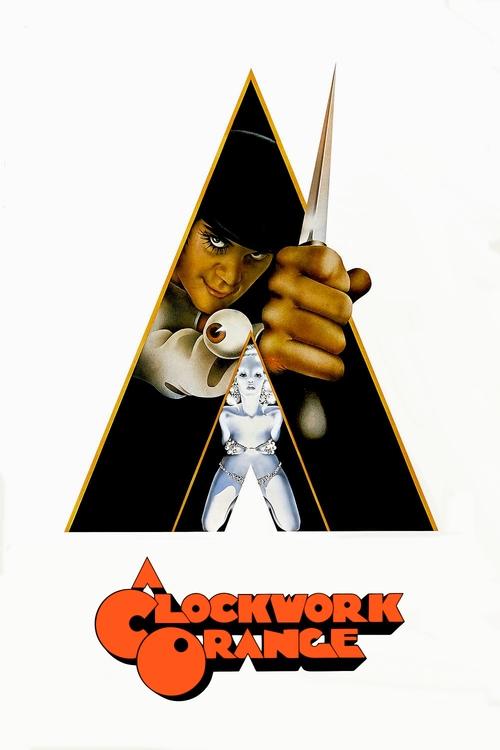
Review: A Clockwork Orange (1971)
Stanley Kubrick's adaptation of Anthony Burgess's novel, A Clockwork Orange, is a film that hasn't lost its power to provoke and engage audiences. Released in 1971, the film is set in a dystopian future and is often discussed for its daring exploration of free will, violence, and societal control. For collectors, this movie is not just a piece of cinema history but a conversation starter and a reflection to Kubrick's bold vision.
Plot Summary
Set in a dystopian England, A Clockwork Orange follows the life of Alex DeLarge, a delinquent whose pleasures are classical music, violence, and a bit of the old "ultra-violence." Alex leads a small gang of "droogs," causing chaos and mayhem in the city. However, his life takes a dramatic turn when he is caught and subjected to a controversial psychological conditioning process designed to eliminate his violent tendencies. This treatment raises questions about the essence of free will and the ethics of using science to control behavior.
Performances
Malcolm McDowell's portrayal of Alex DeLarge is nothing short of iconic. His performance is both chilling and charismatic, embodying the duality of a character who is as charming as he is brutal. McDowell's ability to switch between the gleeful delinquent and the confused, reformed version of Alex is a reflection to his range as an actor. The supporting cast, including Patrick Magee and Michael Bates, deliver strong performances that complement McDowell's intensity, creating a believable world where authority figures are as flawed as the criminals they try to reform.
Direction and Craft
Kubrick's direction in A Clockwork Orange is meticulously crafted, showcasing his signature style of long takes, innovative camera angles, and striking visual compositions. The film's use of contrasting imagery and color palettes enhances its themes, making it a visually arresting experience. The choice of classical music, particularly Beethoven's Ninth Symphony, adds an ironic layer to the film's violent scenes, creating a juxtaposition that is both unsettling and thought-provoking.
The production design deserves a mention for its bold and stylized depiction of a dystopian future. The sets and costumes reflect a society that is both familiar and alien, a reflection of the film's exploration of the human condition. Kubrick's attention to detail ensures that every element on screen serves a purpose, contributing to the film's lasting impact.
Collector's Verdict
A Clockwork Orange is a must-have for any serious film collector, offering a unique blend of storytelling and visual style that remains influential. The best format to own this film is the Blu-ray version, which preserves the film's stunning visuals and sound design. It's a common find in physical media collections, though special editions or early releases might be more challenging to track down. Whether you're a fan of Kubrick's work or interested in exploring thought-provoking narratives, this film is an essential addition to your collection.
Collector's Verdict
A Clockwork Orange is a must-have for any serious film collector, offering a unique blend of storytelling and visual style that remains influential.
Best Format to Own
Rarity