Review: An Unmarried Woman (1978)
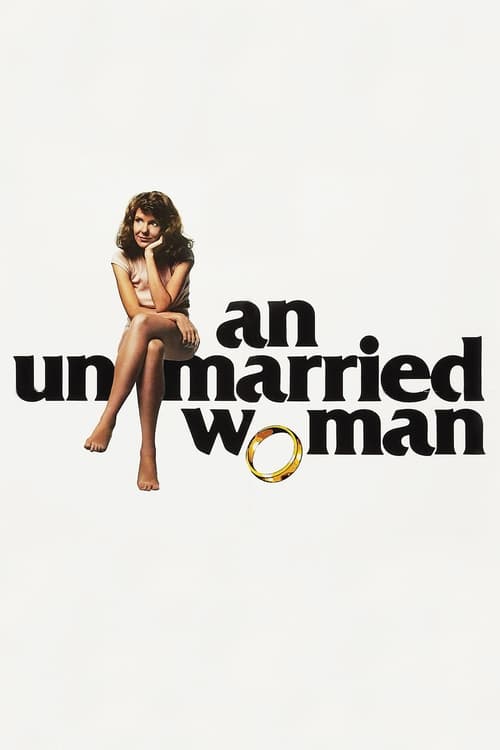
An Unmarried Woman (1978) Review
In the late 1970s, the film landscape was starting to embrace stories that explored the changing roles and perceptions of women. Paul Mazursky's An Unmarried Woman stands out as a notable contribution from this era. It captures the essence of a woman’s journey through self-discovery and empowerment after an unexpected life change, providing a narrative that feels both personal and universal. As a collector, it's the kind of movie that fits snugly into a collection focused on societal shifts and personal narratives in the late 20th century.
Plot Summary
An Unmarried Woman introduces us to Erica Benton, a woman living what appears to be an idyllic life in Manhattan. She has a seemingly perfect marriage, a beautiful daughter, and a comfortable lifestyle. However, her world is turned upside down when her husband suddenly leaves her for a younger woman. The film follows Erica as she navigates life as a newly single woman, confronting the challenges and opportunities that her newfound independence brings. It's a story about resilience and the quest for self-identity in the wake of unexpected change.
Performances
Jill Clayburgh delivers an outstanding performance as Erica. Her portrayal is both nuanced and relatable, capturing the emotional rollercoaster that comes with such a significant life transition. Clayburgh’s ability to convey vulnerability and strength simultaneously is remarkable and earned her an Academy Award nomination. Her performance is the film's beating heart, providing authenticity to Erica’s journey.
The supporting cast also contributes significantly to the film’s impact. Michael Murphy, as Erica’s husband Martin, manages to evoke a mix of sympathy and frustration, making his character's actions feel real and not just villainous. Alan Bates, playing Erica’s love interest Saul, brings warmth and charm that contrasts with the upheaval in Erica’s life. Each actor complements Clayburgh’s performance, creating a believable world that keeps you invested in Erica’s story.
Direction and Craft
Paul Mazursky’s direction is both sensitive and insightful. He has a knack for capturing the nuances of everyday life, making the film feel intimate and genuine. His ability to balance drama with moments of humor allows the film to resonate on multiple levels, providing a realistic portrayal of the complexity of human emotions and relationships.
The film’s craft is equally noteworthy. The cinematography by Arthur J. Ornitz captures New York City in a way that feels both glamorous and gritty, reflecting the duality of Erica’s life. The use of location is particularly effective, with scenes often set in places that underscore Erica’s emotional state. The screenplay, also by Mazursky, offers sharp dialogue and well-drawn characters, avoiding clichés and ensuring that the story feels fresh even decades later.
Collector's Verdict
For collectors, An Unmarried Woman is a film that captures a specific time and place in cultural history. The best format to own this film is on Blu-ray. This format not only provides superior picture and sound quality but often includes valuable extras such as director’s commentary and interviews that offer deeper insights into the film’s production and themes.
In terms of rarity, An Unmarried Woman on Blu-ray is uncommon but not impossible to find. It’s a valuable addition to any collection focused on the evolution of female characters in film or the cinema of the 1970s. Its themes of personal growth and societal change make it a film that resonates beyond its initial release, offering a poignant viewing experience for new audiences as well.
Overall, An Unmarried Woman is a must-have for fans of 1970s cinema, offering both entertainment and a thoughtful exploration of personal transformation. Its availability on Blu-ray makes it accessible to collectors who appreciate both the artistic and technical aspects of film.
4.0 out of 5 stars
Collector's Verdict
A must-have for fans of 1970s cinema, with Blu-ray being the best format for its superior picture quality and extras.
Best Format to Own
Rarity