Review: Driving Miss Daisy (1989)
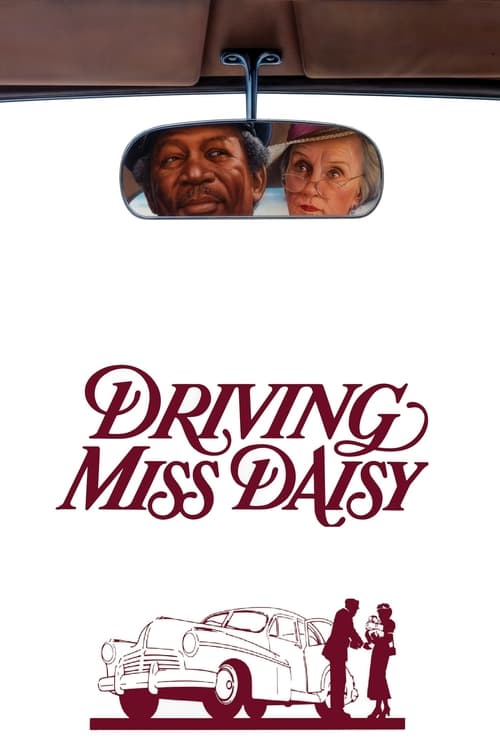
Driving Miss Daisy (1989) Review
The year 1989 brought us many notable films, but one that still resonates with audiences is "Driving Miss Daisy." This film is a gentle exploration of friendship and societal change, focusing on the unexpected bond between two very different individuals. Adapted from Alfred Uhry's play, the film is set against the backdrop of the American South during the late 1940s through the 1970s, a period marked by significant social transformations. For collectors, this film stands out not just for its narrative, but also due to the strength of its performances and the craftsmanship behind its production.
Plot Summary
"Driving Miss Daisy" begins with Daisy Werthan, an elderly Jewish widow living in Atlanta, who finds herself unable to drive after a minor car accident. Her son, Boolie, insists on hiring a chauffeur for her, despite her initial resistance. Enter Hoke Colburn, an African-American driver who is patient, kind, and as it turns out, just as stubborn as Daisy. The film thoughtfully captures the evolution of their relationship from one of employer and employee to a deep, respectful friendship. As the years pass, they face various societal changes and personal challenges, each learning from the other in ways that enrich their lives.
Performances
The performances in "Driving Miss Daisy" are nothing short of remarkable. Jessica Tandy, who won an Academy Award for her role, portrays Miss Daisy with a nuanced mix of pride, vulnerability, and warmth. Her transformation throughout the film is subtly powerful, as she gradually lets down her defenses. Morgan Freeman, reprising his role from the stage production, is the heart of the film. His portrayal of Hoke is filled with empathy and quiet strength, perfectly capturing the character's dignity and resilience. The chemistry between Tandy and Freeman is palpable, making their characters' journey feel genuine and moving.
Dan Aykroyd, in a surprising dramatic turn, plays Boolie with a balance of humor and sensitivity, adding depth to the family dynamics at play. These performances are a key reason why the film continues to hold a special place in the hearts of audiences and collectors alike.
Direction and Craft
Bruce Beresford's direction is understated yet effective, allowing the film's themes and performances to shine. He handles the source material with care, maintaining the intimacy of the original play while expanding it for the big screen. The pacing, while deliberate, suits the story's reflective nature, giving viewers the space to appreciate the characters' growth over time.
The film's production design faithfully recreates mid-20th century Atlanta, providing a rich context for the story. Cinematographer Peter James captures this setting with a keen eye for detail, balancing the film's quieter moments with the broader historical context without overshadowing the personal narrative. The musical score by Hans Zimmer complements the film's tone perfectly, enhancing its emotional resonance without overpowering the dialogue.
Collector's Verdict
"Driving Miss Daisy" is a film that should be part of any serious collector's library. For those who appreciate films with strong character development and thoughtful storytelling, this is a must-own. The Blu-ray edition is particularly recommended for its superior picture and sound quality, which do justice to the film's visual and auditory subtleties. With its common availability, it's an accessible addition to your collection that offers both artistic merit and historical significance.
In conclusion, "Driving Miss Daisy" remains a relevant and touching portrayal of friendship and social change. Its lasting appeal lies in its ability to speak to universal themes through the lens of a specific time and place, making it a valuable piece for any collection.
Collector's Verdict
A must-have for collectors who appreciate strong performances and nuanced storytelling. The Blu-ray offers a great balance of quality and accessibility.
Best Format to Own
Rarity