Review: Early Summer (1951)
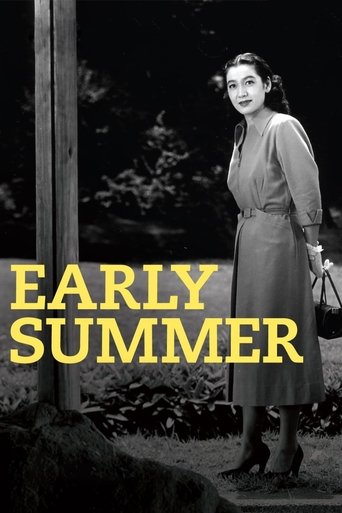
Early Summer (1951) Review
Few directors capture the subtleties of family life as gracefully as Yasujirō Ozu, and "Early Summer" is a prime example of his deft touch. Released in 1951, this film presents a slice of post-war Japanese life, focusing on the delicate balance between tradition and modernity. It's a slow burn, but one that rewards patience with its rich character development and insightful observations.
Plot Summary
The narrative centers on the Mamiya family, living in a bustling household that includes three generations. The story unfolds with a gentle rhythm, focusing on the pressures faced by Noriko, the family's unmarried daughter. As her family discusses potential suitors, Noriko navigates her own desires within the confines of societal and familial expectations. The plot is simple yet profound, exploring themes of duty, independence, and the evolving nature of family.
Performances
Setsuko Hara delivers a standout performance as Noriko, embodying both the warmth and complexity of her character with subtlety and grace. Her portrayal captures the nuances of a woman caught between personal freedom and familial obligation. The supporting cast, including Chishū Ryū and Chikage Awashima, offer strong performances that add depth to the family dynamic. Each actor brings a natural authenticity to their role, enhancing the film's emotional resonance.
Direction and Craft
Ozu's direction is famously restrained, yet it is in this restraint that his films find their power. "Early Summer" is no exception. His use of static camera angles and long takes invites viewers to become part of the Mamiya household, observing the unfolding drama with an intimate gaze. The film's cinematography, characterized by its low camera positions and carefully composed frames, creates a sense of calm and order amidst the chaos of family life. The attention to detail in set design and costume adds to the film's authenticity, painting a vivid picture of 1950s Japan.
Collector's Verdict
"Early Summer" is a must-have for collectors interested in Japanese cinema, offering a thoughtful narrative with strong performances and direction. The Criterion Blu-ray edition, with its excellent transfer and insightful extras, is the best way to experience this film. Though not as rare as some of Ozu's other works, it's a valuable addition to any serious collection.
Collector's Verdict
Early Summer is a must-have for collectors interested in Japanese cinema, offering a thoughtful narrative with strong performances and direction.
Best Format to Own
Rarity