Review: Happiness (1998)
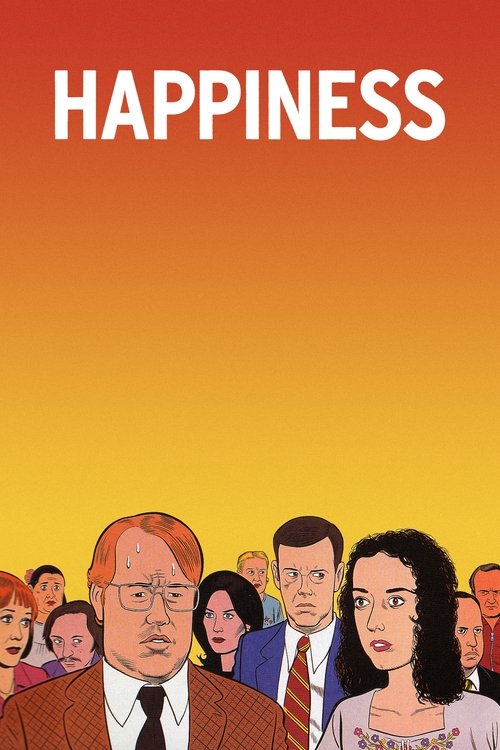
Review: Happiness (1998)
Todd Solondz's 1998 film, Happiness, is one of those rare movies that walks the tightrope of dark humor and unsettling drama with an unflinching boldness. It's not a film for everyone, but for those who appreciate a blend of the uncomfortable with the comedic, this movie stands out. As a collector, you might find yourself intrigued by its cult status and the conversations it continues to spark.
Plot Summary
Happiness weaves together the lives of several characters, each grappling with their own personal demons and desires. At its core, the movie takes a raw look at the pursuit of happiness in suburban America. The narrative explores themes of loneliness, longing, and the complexity of human relationships. Without giving too much away, the film is structured around interconnecting stories that reveal the hidden side of its characters' lives. It's a movie that doesn't shy away from controversial topics, inviting the audience to question their own perceptions of normalcy and satisfaction.
Performances
The ensemble cast in Happiness delivers performances that are both brave and nuanced. Philip Seymour Hoffman, as Allen, offers a portrayal that's disturbingly relatable yet deeply unsettling. His ability to convey the character's internal conflict and awkwardness is masterful. On the other hand, Jane Adams, playing the role of Joy, captures the essence of a woman caught between her idealistic dreams and harsh realities. Her performance is both poignant and subtly humorous.
Dylan Baker's portrayal of Bill Maplewood is perhaps the most challenging role in the film, and he handles it with an eerie precision that leaves a lasting impact. The supporting cast, including Lara Flynn Boyle and Jon Lovitz, also contribute significantly to the film's offbeat charm. Each actor brings a layer of depth to their character, making the film's exploration of its themes all the more engaging.
Direction and Craft
Todd Solondz's direction is a crucial element that ties the film's complex narrative together. Known for his ability to tackle taboo subjects with a unique blend of sensitivity and satire, Solondz doesn't hold back in Happiness. His approach to storytelling is unorthodox, often leaving viewers in a state of discomfort that is both thought-provoking and oddly humorous.
The film's aesthetic choices, from its muted color palette to its suburban setting, reinforce its themes of hidden despair beneath a veneer of normalcy. The soundtrack, featuring a mix of original compositions and period songs, complements the film's tone perfectly, enhancing its bittersweet feel. Editing plays a pivotal role in maintaining the film's pacing, allowing each storyline to unfold in a manner that keeps the audience engaged while building a sense of inevitable collision.
Collector's Verdict
For collectors, Happiness is a film that deserves a spot on the shelf for its bold narrative and memorable performances. The DVD release is the best format to own, as it offers a quality presentation that captures the film's unique tone and visual style. While not the rarest find, it's classified as uncommon, making it a valuable addition to a collection focused on films that challenge conventional storytelling.
Star Rating: 4 out of 5
Happiness (1998) is a must for any collector interested in dark comedies that push the envelope. Its DVD release captures the film's unique tone, making it a worthwhile acquisition for those who appreciate the genre's ability to provoke thought and discussion. The film holds a significant place in the realm of independent cinema, offering a perspective that is as engaging as it is unsettling.
Collector's Verdict
Happiness (1998) is a must for any collector interested in dark comedies that push the envelope. Its DVD release captures the film's unique tone.
Best Format to Own
Rarity