Review: M (1931)
Review: M (1931)
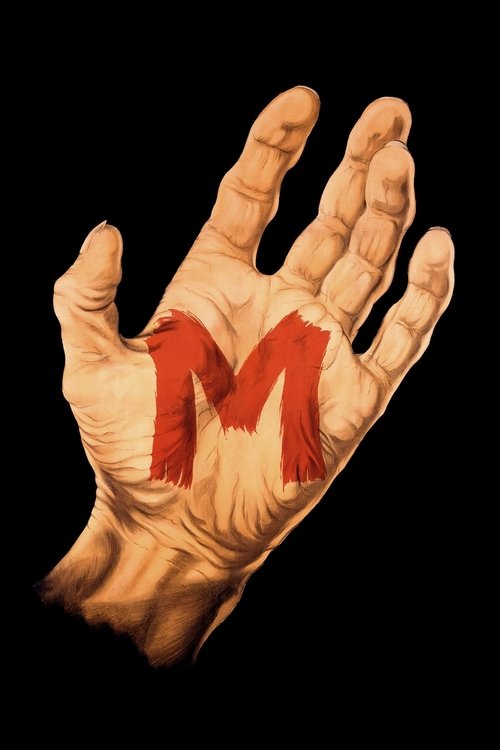
When you talk about films that have fundamentally shaped the thriller genre, Fritz Lang's 'M' is an inevitable part of the conversation. Released in 1931, this German classic stands as a paragon of early suspense storytelling, setting a high bar for the crime thrillers that followed. It's not just a film; it's a piece of visual history that continues to influence filmmakers today. 'M' digs into into the psyche of a city gripped by fear as a child murderer lurks in its shadows, and it does so with a level of sophistication that was rare for its time.
Plot Summary
Set against the backdrop of a city living in constant fear, 'M' follows the story of a killer who preys on children. The film captures the escalating tension as both the police and criminal underworld strive to capture him. Lang masterfully crafts a narrative that keeps the audience on edge without resorting to overt violence or shock tactics. Instead, 'M' relies on the psychological terror of its premise, drawing viewers into a chilling hunt that explores the darker aspects of human nature. The film doesn't just focus on the killer but also on the societal reaction to his crimes, providing a multi-layered narrative that remains as engaging today as it was when first released.
Performances
Peter Lorre delivers a performance that is nothing short of remarkable. As the tormented and terrifying Hans Beckert, Lorre embodies the role with a memorable intensity that leaves a lasting impression. His portrayal of Beckert is nuanced, capturing the character's complexity and desperation. It's one of those rare performances that truly defines a film, and Lorre's work here is often cited as one of his greatest achievements.
The supporting cast also deserves recognition. The ensemble of actors portraying the police, criminals, and everyday citizens add depth to the film's narrative. Each character contributes to the tense atmosphere and the unfolding drama, with performances that are both authentic and strong. The interplay between Lorre and the supporting cast creates a dynamic that amplifies the film's tension.
Direction and Craft
Fritz Lang's direction is a masterful example of precision and style. His use of sound was innovative for the time, particularly the chilling use of a distinctive whistled tune that heralds the killer's presence. Lang’s decision to let sound drive the suspense, rather than rely solely on visual cues, was pioneering and adds a unique layer to the film's atmosphere.
The cinematography, by Fritz Arno Wagner, complements Lang's direction beautifully. The stark black-and-white imagery captures the grim mood of the city and enhances the film’s overall tension. The use of shadows and lighting not only creates a visually arresting experience but also underscores the film's psychological themes.
Editing, another strong suit of 'M', plays a crucial role in maintaining the film's pace and suspense. Lang's meticulous attention to detail ensures that every scene serves the narrative, keeping viewers engaged from start to finish.
Collector's Verdict
For collectors, 'M' is a film that embodies the strengths of early 20th-century cinema. It’s a cornerstone piece that offers both historical significance and entertainment value. In terms of physical media, the best format to own is undoubtedly Blu-ray. The restoration process has ensured that the film retains its visual and auditory quality, allowing modern audiences to appreciate Lang's work as it was meant to be seen and heard.
While 'M' is widely available, making it common in terms of rarity, it remains a crucial addition to any serious collection. The film's influence on the genre and its standing as a classic make it a must-have.
In conclusion, 'M' is more than just a film; it's a vital part of film history. With its gripping narrative, outstanding performances, and innovative use of sound and visuals, it stands as a reflection to Fritz Lang's directorial prowess. For anyone interested in the evolution of thriller cinema, 'M' is an essential watch.
Collector's Verdict
M is an essential piece for any film collection, offering a chilling glimpse into early 20th-century cinema with a gripping narrative and standout performances.
Best Format to Own
Rarity