Review: Metropolis (1927)
Review: Metropolis (1927)
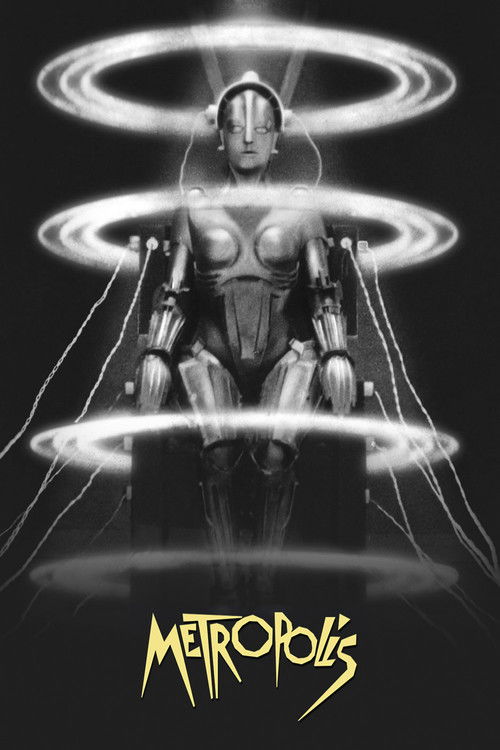
Every serious film collector knows that certain titles are non-negotiable staples for any respectable library, and Metropolis is undeniably one of them. Released in 1927, this German expressionist science-fiction film directed by Fritz Lang laid the groundwork for countless films to follow. It's a visual spectacle that marries social commentary with impressive special effects, creating a world that is both hauntingly dystopian and eerily prescient. If you're new to collecting or just considering adding Metropolis to your shelves, let me take you through why this film is a must-have.
Plot Summary
Set in a dystopian future where society is sharply divided between the working class and the ruling elite, Metropolis paints a picture of a city that is as divided in its architecture as it is in its social structure. The workers toil away underground, running the machines that keep the city alive, while the elite live in luxury above. The story kicks off with Freder, the son of the city's mastermind, discovering the grim reality of the workers' lives. Compelled by a desire for justice, he joins forces with Maria, a prophetic figure among the workers, to bridge the gap between the two worlds. The film takes us on a journey filled with intrigue, rebellion, and the quest for a better future without giving away too much of the plot.
Performances
For a film from the silent era, the performances in Metropolis are surprisingly rich and expressive. Gustav Fröhlich, who plays Freder, delivers a performance that communicates a wide range of emotions, from naive curiosity to passionate fervor. Brigitte Helm as Maria is the heart of the film. Her dual role, portraying both the virtuous Maria and her robotic doppelgänger, is nothing short of strong. Helm's ability to switch between these two characters, embodying both innocence and malice, is a reflection to her talent. Alfred Abel as Joh Fredersen, the architect of Metropolis, offers a reserved yet commanding presence that perfectly contrasts with the emotional tumult of his son.
Direction and Craft
Fritz Lang’s direction is a marvel, orchestrating a visual narrative that is as strong today as it was in 1927. Lang's vision for Metropolis brought to life a sprawling cityscape that feels both futuristic and gothic. The use of miniatures and practical effects to create the film’s iconic skyline is an achievement that continues to inspire. The film's art direction, led by Erich Kettelhut, Otto Hunte, and Karl Vollbrecht, showcases a meticulous attention to detail, crafting environments that are integral to the storytelling. The film's score by Gottfried Huppertz, though originally composed for an orchestra, has been adapted in various ways over the years, often enhancing the film’s emotional weight.
Collector's Verdict
Metropolis is more than just a film; it’s a piece of history. For collectors, the best version to own is undoubtedly the restored Blu-ray edition, which includes the most complete version of the film available. This edition provides a quality of picture and sound that does the film justice, allowing viewers to fully appreciate its intricate details and impressive effects. While finding earlier versions or original prints can be quite rare, the Blu-ray offers the best experience for modern collectors. This film is a cornerstone of film history that demands a spot in any serious collection.
In terms of rarity, while Metropolis is widely available in various formats today, finding original reels or early prints can be exceptionally rare and a true gem for collectors. However, the restored versions have made this incredible film accessible to new generations, ensuring its place on the shelves of cinephiles everywhere.
Ultimately, Metropolis is a film that transcends its era, offering not just a story, but a visual and emotional experience that continues to resonate. Whether you're a seasoned collector or just starting out, this is one film you’ll want to include in your collection.
Star Rating
4.5 out of 5
Collector's Verdict
Metropolis is a cornerstone of film history that demands a spot in any serious collection, especially in its restored Blu-ray edition.
Best Format to Own
Rarity