Review: Nosferatu (1922)
Review: Nosferatu (1922)
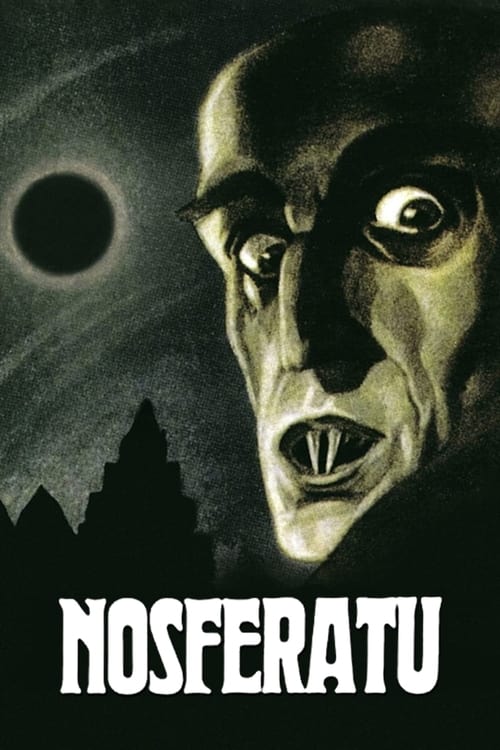
When it comes to horror films, few can claim the kind of lasting influence that Nosferatu (1922) has had over the genre. Directed by F.W. Murnau, this silent German film is not just a cornerstone of horror, but a key piece of early cinema that continues to inspire filmmakers to this day. As a collector, this is one of those must-own titles, offering a glimpse into the origins of horror filmmaking with its unique style and memorable imagery.
Plot Summary
In Nosferatu, we follow the journey of Thomas Hutter, a young real estate agent, who is sent to Transylvania to meet with the mysterious Count Orlok. The Count is interested in purchasing a property in Hutter's hometown of Wisborg, and what follows is a nightmarish tale as Hutter discovers Orlok's true nature. The film, while being a loose adaptation of Bram Stoker's Dracula, brings its own unique elements to the vampire mythos, setting the tone for countless horror films that would follow.
Performances
Max Schreck's portrayal of Count Orlok is the stuff of legend. His eerie, otherworldly presence is both unsettling and mesmerizing, capturing the essence of a creature that is both human and demon. Schreck's physicality, with his unnaturally long fingers and memorable gaze, creates an iconic image that has become synonymous with the vampire genre.
The supporting cast, including Gustav von Wangenheim as Thomas Hutter and Greta Schröder as his wife Ellen, provide solid performances that help ground the film's more surreal elements. Their portrayals add a layer of humanity to the film, making the supernatural horror all the more effective. Though silent, their expressions and body language convey a range of emotions that words might struggle to capture.
Direction and Craft
F.W. Murnau’s direction is nothing short of visionary. He employs shadow and light to create a mood that is both eerie and beautiful. The use of chiaroscuro lighting and innovative camera techniques were impressive for the time and remain impressive even to modern audiences. Murnau's ability to tell a story through visuals alone, without the aid of dialogue, showcases the power of film as an art form.
The film's set design and locations also contribute significantly to its atmosphere. The decrepit castle of Count Orlok and the fog-laden streets of Wisborg are characters in their own right, enhancing the film's sense of dread and foreboding. These elements, combined with the memorable score that accompanies most modern releases, create an immersive experience that transports viewers back to the early 20th century.
Collector's Verdict
Nosferatu (1922) is a quintessential piece of horror history that any serious collector should own, ideally in a high-definition format to appreciate its visuals. While original prints are naturally quite rare, the film has been restored and re-released multiple times. The best format to own would be a high-quality Blu-ray edition, which offers enhanced clarity and often includes additional features like commentary and behind-the-scenes insights.
The film's rarity rating is somewhat on the rare side. While it's easier to find a modern print, vintage editions, particularly those that come with original artwork or unique packaging, are highly sought after by collectors. If you come across one of these, it's worth snapping up as part of your collection.
In conclusion, Nosferatu is more than just a horror film; it is a piece of film history. Its influence can be seen in countless works that followed, and it continues to hold its own as a powerful piece of storytelling. The chilling performances, innovative direction, and atmospheric craft make it a vital addition to any collection.
As a collector, owning Nosferatu is not just about having a piece of film to watch; it's about preserving a part of cinema's evolution. With its memorable imagery and classic story, it offers something new with each viewing, making it a film you'll return to time and again.
Star Rating
Nosferatu earns a solid 4.5 out of 5 stars. Its place in film history and its ongoing influence on the genre make it an essential watch for any lover of classic horror or collector of vintage films.
Collector's Verdict
Nosferatu (1922) is a quintessential piece of horror history that any serious collector should own, ideally in a high-definition format to appreciate its visuals.
Best Format to Own
Rarity