Review: Saturday Night and Sunday Morning (1960)
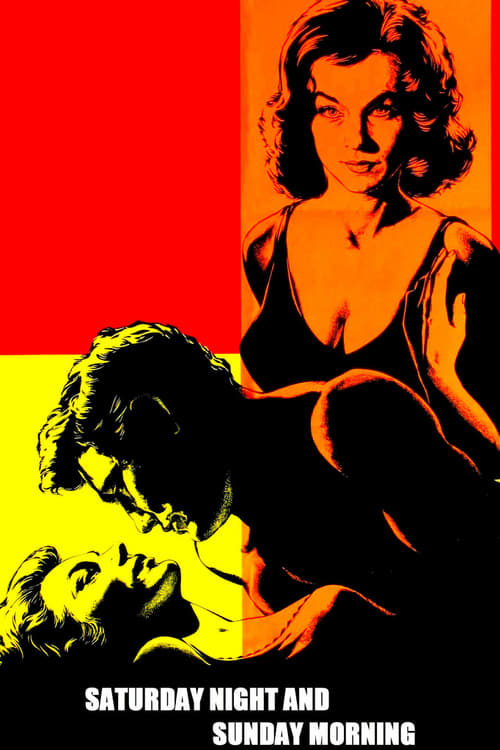
Review: Saturday Night and Sunday Morning (1960)
When talking about the British New Wave, one film that often gets mentioned is "Saturday Night and Sunday Morning" from 1960. Directed by Karel Reisz, this film is considered one of the pioneering works of the movement, capturing the essence of working-class life in post-war Britain. It's based on a novel by Alan Sillitoe, who also wrote the screenplay, and it brilliantly brings to life the struggles and defiance of the younger generation during that era. For collectors interested in British cinema or films that challenge the status quo, this one's a gem.
Plot Summary
"Saturday Night and Sunday Morning" follows Arthur Seaton, a young factory worker in Nottingham who is determined to enjoy his life without being shackled by societal norms. Arthur is a hard-drinker and a womanizer, spending his weekends indulging in pleasures that help him escape the drudgery of his work week. Despite his carefree attitude, Arthur's life becomes complicated as he juggles relationships and confronts the consequences of his actions. This narrative, while straightforward, offers a hard-hitting look at the rebellious spirit of the time without giving too much away.
Performances
Albert Finney delivers a powerful performance as Arthur Seaton. It's hard to imagine anyone else embodying the character with such raw intensity. Finney's portrayal captures Arthur's charm and flaws, making him both relatable and infuriating. His performance is a cornerstone of the film, setting a high bar for the rest of the cast.
Supporting Finney is Rachel Roberts, who plays Brenda, a married woman having an affair with Arthur. Her portrayal is nuanced, bringing depth to a character that could easily have been one-dimensional. Shirley Anne Field also shines as Doreen, a young woman who represents a more stable future for Arthur. The chemistry between the actors elevates the film, making the characters' struggles and desires palpable.
Direction and Craft
Karel Reisz's direction is a standout feature of "Saturday Night and Sunday Morning". His approach gives the film a gritty realism that was revolutionary for its time. The use of location shooting in Nottingham adds authenticity, grounding the story in a real, lived-in world. Reisz's ability to capture the mundane yet intense life of Arthur Seaton is remarkable.
Cinematographer Freddie Francis deserves mention for his work in bringing the visual style of the film to life. The black-and-white imagery enhances the stark reality of Arthur's world. The cinematography, combined with a strong score by John Dankworth, ensures that the film resonates on multiple levels. The attention to detail in every frame speaks to the craft and dedication of the entire production team.
Collector's Verdict
For collectors, "Saturday Night and Sunday Morning" is a vital piece of British film history. Its portrayal of working-class life and the spirit of rebellion is as engaging now as it was in the 1960s. The best format to own this film is Blu-ray, which offers the best presentation of its sharp visuals and crisp sound. While not exceedingly rare, it is considered uncommon, making it a worthy addition to any collection focused on influential British cinema.
Overall, this film is a must-have for collectors of British cinema, offering a vivid portrayal of working-class life that's both engaging and historically significant. The combination of strong performances, skilled direction, and authentic storytelling makes it a piece that stands out in any collection.
Collector's Verdict
This film is a must-have for collectors of British cinema, offering a vivid portrayal of working-class life that's both engaging and historically significant.
Best Format to Own
Rarity