Review: Silent Running (1972)
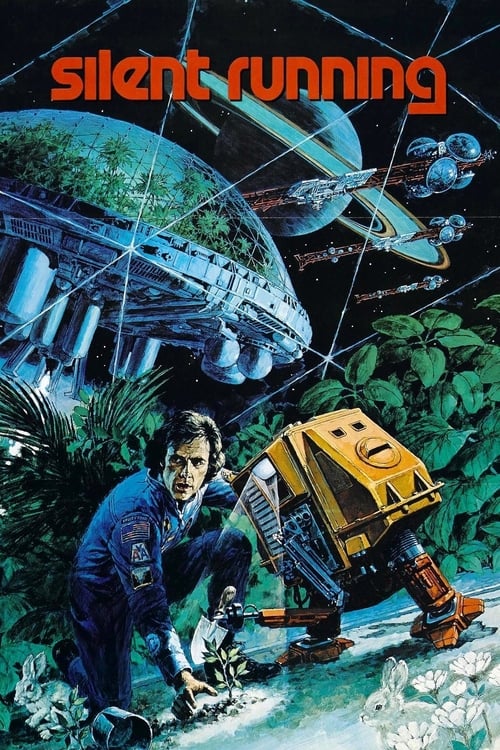
Silent Running (1972)
In the realm of science fiction, certain films are treasured for their ability to push boundaries and provoke thought. Silent Running, directed by Douglas Trumbull, is one such film that has intrigued and inspired audiences since its release in 1972. It emerged during a time when environmental consciousness was just beginning to bloom, and it remains a fascinating artifact of its era. This film, with its unique blend of science fiction and ecological contemplation, offers a strong narrative that resonates even today.
Plot Summary
Set in a future where Earth's natural resources have been depleted, Silent Running introduces us to the last remnants of Earth's plant life, preserved in a series of massive space-bound greenhouses. These biodomes drift through space, tended by a crew tasked with maintaining them until the time comes to return them to Earth. Our protagonist, Freeman Lowell, played by Bruce Dern, is a dedicated botanist who believes deeply in the mission to preserve these last vestiges of nature. When orders come through to destroy the domes and return the freighters to commercial service, Lowell takes drastic action to save the forests he has come to love.
Performances
Bruce Dern delivers a powerful and nuanced performance as Freeman Lowell. He embodies the character's passion and desperation with an intensity that pulls the viewer into his world. Dern's ability to balance the character's idealism with moments of isolation and inner conflict is remarkable. Supporting roles are minimal, but the film's unique charm is augmented by the silent yet expressive performances of the drones Huey, Dewey, and Louie. These robots, puppeteered by double amputees and brought to life with a surprising degree of personality, add an unexpected layer of emotional depth to the film.
Direction and Craft
Douglas Trumbull, known for his special effects work on 2001: A Space Odyssey, makes his directorial debut with Silent Running. His expertise shines through in the visual execution of the film. The special effects, particularly for their time, are impressive and contribute significantly to the film's atmosphere. The biodomes are intricately designed, creating a believable and immersive setting that serves as both a sanctuary and a battleground for Lowell's ideals.
The film's score, composed by Peter Schickele and featuring songs by Joan Baez, complements the narrative beautifully. It enhances the emotional weight of the story, weaving a memorable yet hopeful soundscape that underscores Lowell's journey. Trumbull's direction is subtle yet effective, allowing the film's themes to unfold organically without overwhelming the audience.
Collector's Verdict
Silent Running is a must-have for sci-fi enthusiasts who appreciate thoughtful storytelling and environmental themes. Its unique charm makes it a worthy addition to any collection. For collectors, the Blu-Ray format offers the best experience, with its enhanced picture quality and sound that do justice to Trumbull's visual and auditory intricacies. While it may not be the rarest find, it's uncommon enough to be a prized possession, particularly for fans of 70s science fiction.
With its combination of thought-provoking themes, strong performances, and impressive visual effects, Silent Running offers a viewing experience that is both engaging and reflective. It's a film that invites viewers to ponder the future of our planet and the lengths to which one might go to preserve its beauty.
In conclusion, Silent Running stands out as a unique piece of film history. It bridges the gap between entertainment and environmental awareness in a manner that remains relevant. Whether you're a seasoned collector or a newcomer to the genre, this film is well worth adding to your shelf.
Star Rating: 4.0 out of 5
Collector's Verdict
Silent Running is a must-have for sci-fi enthusiasts who appreciate thoughtful storytelling and environmental themes. Its unique charm makes it a worthy addition to any collection.
Best Format to Own
Rarity