Review: Taxi Driver (1976)
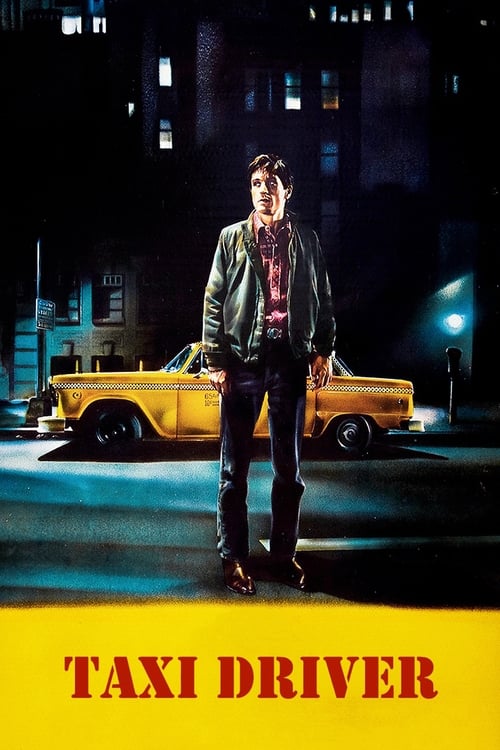
Taxi Driver (1976)
In the realm of film collecting, few titles command as much respect as Martin Scorsese’s Taxi Driver. Released in 1976, this film is a gritty exploration of urban isolation and moral ambiguity set against the backdrop of New York City. As collectors, we appreciate not only the cultural impact of this film but also the way it captures a particular moment in visual history. The film's raw depiction of the city and its memorable narrative have cemented its place as a crucial piece of 1970s American cinema.
Plot Summary
Taxi Driver follows Travis Bickle, a disillusioned Vietnam War veteran who finds himself driving a cab through the seedy streets of New York City. The city is portrayed as a sprawling nightmare, filled with crime and corruption. Travis, portrayed by Robert De Niro, struggles with insomnia and a growing disdain for the society around him. As he navigates the nocturnal world of the city, Travis becomes increasingly detached from reality, leading him down a dark path of vigilante justice. Without giving away any spoilers, it's safe to say that the film builds to a climax that is as thought-provoking as it is intense.
Performances
Robert De Niro’s portrayal of Travis Bickle is nothing short of iconic. His performance is so deeply embedded in the fabric of the film that it’s hard to imagine anyone else in the role. De Niro brings a complexity to Travis that makes him both sympathetic and terrifying. His infamous “You talkin’ to me?” scene has become one of the most quoted moments in film history, and for good reason. The intensity De Niro brings to this role is palpable and sets a high benchmark for character-driven storytelling.
Jodie Foster, playing the young and vulnerable Iris, delivers a performance that belies her age. Despite being only 12 years old at the time of filming, Foster brings a maturity and resilience to the role that makes her character unforgettable. Her interactions with De Niro add layers to the narrative, highlighting themes of innocence lost and redemption sought.
The supporting cast, including Harvey Keitel as the pimp Sport and Cybill Shepherd as the political campaign worker Betsy, add depth to the film. Each character serves as a mirror reflecting different aspects of Travis’s fractured psyche. Keitel's sleazy charm and Shepherd's aloof yet intriguing presence offer strong contrasts to Travis's internal turmoil.
Direction and Craft
Scorsese’s direction in Taxi Driver is a masterful blend of style and substance. He paints a vivid picture of New York City as a character in itself, with its grimy streets and neon-lit nights perfectly capturing the film's mood. The way Scorsese uses the camera to convey Travis’s isolation is brilliant. Long, lingering shots of the cityscape and tight, claustrophobic shots inside the cab serve to heighten the tension and underscore Travis’s alienation.
The film’s score, composed by Bernard Herrmann, is another standout element. It’s both memorable and beautiful, perfectly complementing the film’s themes of loneliness and despair. Herrmann’s work adds an additional layer of emotional complexity, and it’s no surprise that it remains one of his most celebrated scores.
From a craft perspective, the editing by Marcia Lucas is tight and purposeful. The pacing of the film is deliberate, allowing the story to unfold in a way that keeps the audience engaged without feeling rushed. The cinematography by Michael Chapman captures the gritty realism of the city while also providing moments of visual poetry.
Collector's Verdict
For film collectors, Taxi Driver is a must-have. Its influence on modern filmmaking and its iconic status make it essential for any serious collection. While the film is widely available, the best format to own is undoubtedly Blu-ray. The high-definition transfer brings out the details of Scorsese’s vision, from the intricate textures of the city’s landscape to the subtle nuances of the performances.
In terms of rarity, Taxi Driver is relatively common, making it accessible for collectors at all levels. However, there are special editions and anniversary releases that offer additional features and insights into the film’s production. These editions are worth seeking out for those looking to deepen their understanding of how this classic came to be.
Overall, Taxi Driver stands as a powerful exploration of a disturbed mind, set against the backdrop of a city that feels both alive and decaying. It’s a film that continues to resonate with audiences, and for collectors, it offers a rich vein of visual history to explore.
Collector's Verdict
Taxi Driver is a must-have for any serious collector. Its influence and iconic status make it essential, with Blu-ray offering the best viewing experience.
Best Format to Own
Rarity