Review: The Conversation (1974)
Review: The Conversation (1974)
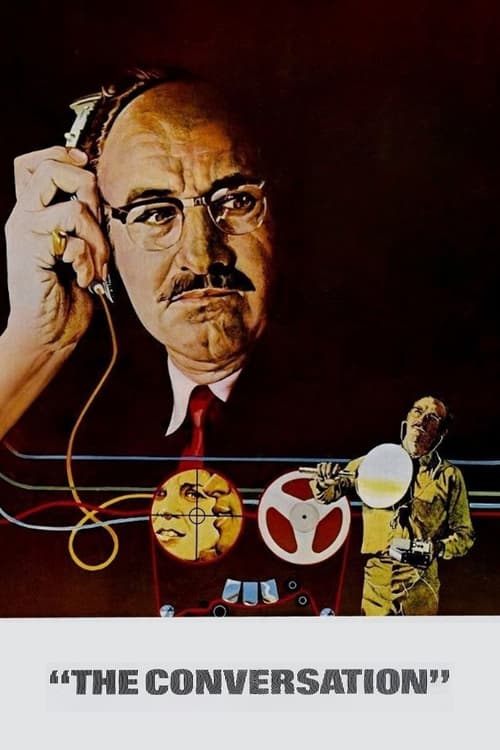
Francis Ford Coppola's 'The Conversation' is one of those films that might fly under the radar for those primarily familiar with his other classics like 'The Godfather' series or 'Apocalypse Now'. Released in 1974, this film is a quiet but intense exploration of paranoia and surveillance, themes that resonate just as strongly today as they did during the Watergate era. As a collector, this film is a fascinating piece of cinema history, capturing the essence of 70s America through a lens of tension and introspection.
Plot Summary
The story centers around Harry Caul, a surveillance expert played by Gene Hackman. Harry is a private and meticulous character, hired to record the conversations of a couple in San Francisco. As he becomes more engrossed in the details of this assignment, Harry's professional detachment begins to erode, revealing the cracks in his own life and morality. The narrative carefully unfolds, revealing layers of complexity without ever resorting to overt exposition. It's a film that demands attention, rewarding viewers with a gradually tightening grip of suspense.
Performances
Gene Hackman delivers one of his most nuanced performances as Harry Caul. Known for his authoritative screen presence, Hackman here portrays a man who is both dispassionate and deeply troubled. His ability to convey Harry’s internal struggle with minimal dialogue is a reflection to his skill. Supporting roles by the likes of John Cazale and Cindy Williams are equally strong, adding depth to the world Harry navigates. Cazale, in particular, brings a subtlety to his role that complements Hackman's intensity. Each actor contributes to a fabric of tension and unease that defines the film.
Direction and Craft
Coppola's direction is a expert display in restraint, allowing the film's tension to build organically. His use of sound design is especially noteworthy, as it plays a crucial role in immersing the viewer into Harry’s world. The audio work in 'The Conversation' is almost a character in itself, with layers of sound that mirror Harry’s growing obsession and paranoia. The film's editing, paired with its deliberately paced narrative, keeps the audience on edge without ever feeling rushed. Coppola’s attention to detail in both the visual and auditory elements of the film is remarkable, creating a rich atmosphere that feels both intimate and expansive.
Visually, the film captures the essence of 1970s San Francisco with a muted color palette that complements the somber mood. Cinematographer Bill Butler’s work is understated yet effective, presenting the city as a character that looms over Harry’s every move. The framing often isolates Harry, visually reinforcing his emotional and psychological distance from those around him.
Collector's Verdict
For collectors, 'The Conversation' is a must-have. Its relevance and craftsmanship make it a standout piece in any collection. The best format to own is the Blu-ray, which offers the best audio and visual quality to appreciate Coppola's meticulous attention to detail. While the film is not rare, its availability in high-quality formats ensures that it remains accessible to both new and seasoned collectors. With its exploration of themes that are just as pertinent today, this film is an essential part of any serious film collector's library.
In conclusion, 'The Conversation' is a film that quietly commands your attention, leaving a lasting impression with its subtle power. It’s a perfect addition for those who appreciate the art of storytelling through sound and silence, a reflection to Coppola's versatility as a filmmaker.
If you're looking to expand your collection with a film that offers both historical significance and a strong narrative, this movie is a great choice. Plus, the Blu-ray format ensures you get the best experience possible, capturing all the nuances that make this film a standout piece of 1970s cinema.
Overall, 'The Conversation' earns a strong 4.5 out of 5 stars. Its blend of engrossing narrative, top-notch performances, and exceptional direction makes it a film worth revisiting for both its entertainment value and its insightful take on the human condition.
Collector's Verdict
A must-own for fans of 70s thrillers and Coppola’s work, ideally on Blu-ray for the best quality.
Best Format to Own
Rarity