Review: The Servant (1963)
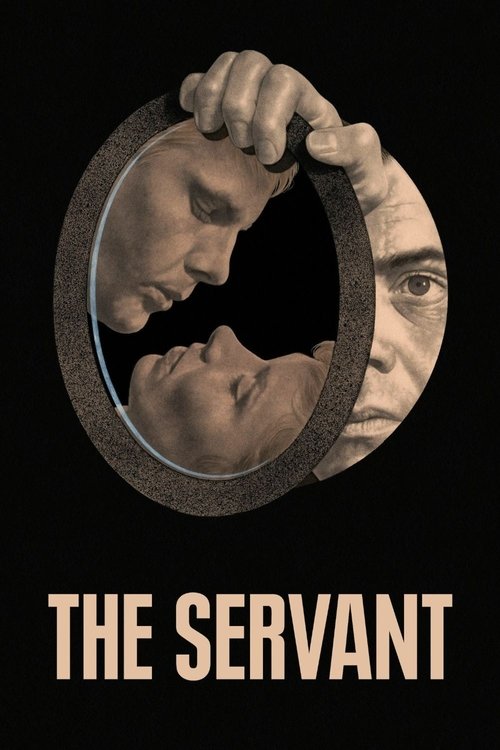
The Servant (1963) Review
If you're a collector of classic films, Joseph Losey's "The Servant" from 1963 is a title that deserves your attention. This British drama, starring Dirk Bogarde and James Fox, is a fascinating exploration of power, class, and psychological manipulation. The film stands out with its intense atmosphere and complex character dynamics, making it a strong addition to any collection.
Plot Summary
Without giving too much away, "The Servant" tells the story of Tony, a young aristocrat played by James Fox, who hires a manservant named Barrett, portrayed by Dirk Bogarde. At first, Barrett seems the perfect valet, but as the story progresses, the servant's influence over his master begins to grow in unsettling ways. The film digs into into themes of control, dependency, and the shifting power dynamics between the two men. It's a narrative that keeps you hooked, offering twists that challenge the characters' notions of identity and authority.
Performances
Dirk Bogarde delivers a performance that is both nuanced and chilling. His portrayal of Barrett is layered with subtlety, capturing the character's manipulative nature without resorting to overt villainy. Bogarde's ability to convey menace through mere glances or slight changes in tone underscores his skill as an actor. James Fox, on the other hand, perfectly embodies the naive and privileged Tony. His transformation throughout the film is both believable and engrossing, serving as a reflection to his range and capability as an actor. The supporting cast, including Sarah Miles and Wendy Craig, also contribute significantly to the film's tension and emotional depth.
Direction and Craft
Joseph Losey's direction is a expert display in creating tension and atmosphere. He uses the confined spaces of the house to amplify the psychological tension between the characters. The way he frames scenes, often with characters partially obscured or reflected in mirrors, adds an additional layer of intrigue and complexity. Harold Pinter's screenplay is sharp and incisive, with dialogue that is both natural and filled with underlying tension. The collaboration between Losey and Pinter results in a film that is both intellectually stimulating and emotionally engaging.
The film's cinematography by Douglas Slocombe is another highlight. The use of light and shadow enhances the mood, creating a visually striking film that complements the story's dark themes. The black-and-white palette is used to great effect, emphasizing the stark contrasts in the characters' lives and the growing tension within the narrative. The music, composed by Johnny Dankworth, further enhances the film's atmosphere, underscoring key moments without overwhelming the scene.
Collector's Verdict
For collectors, "The Servant" is a film worth owning for its depth and craftsmanship. While it may not be the easiest film to find, the effort is well worth it. The Blu-ray edition is particularly valuable for its high-quality transfer and extras, including interviews and commentaries that provide insights into the film's production and its themes. Given its rarity, owning a copy of "The Servant" not only enriches your collection but also offers a deeper appreciation for the artistry of 1960s British cinema.
In terms of availability, "The Servant" is considered rare, especially in pristine condition on physical media. However, tracking down a good copy, particularly in Blu-ray format, is highly recommended for collectors who value not just the film itself but the accompanying features that enhance the viewing experience.
Star Rating
I would rate "The Servant" at 4.5 out of 5 stars. It's a gripping film with exceptional performances and direction that make it a standout in any collection. While it may require some effort to find, especially in its best format, the investment is surely rewarding for those who appreciate classic films with depth and artistry.
Collector's Verdict
The Servant is a film worth owning for its depth and craftsmanship. The Blu-ray edition is particularly valuable for its high-quality transfer and extras.
Best Format to Own
Rarity