Top 10 Animation Movies of 1929
Top 10 Animation Movies of 1929
Exploring the Animated Wonders of 1929
The year 1929 was a fascinating time in the realm of animation, marking a significant evolution in the art form. As the film industry transitioned from silent films to "talkies," this technological advancement had a profound impact on animated films, opening up new avenues for creativity and expression. This period of innovation and experimentation laid the groundwork for many of the animation techniques and storytelling methods that are still in use today. The following list highlights the top animated films from 1929, showcasing a blend of pioneering artistry and storytelling that captivated audiences of the time. Whether you are a seasoned collector or a casual fan, these films offer a glimpse into the pioneering spirit of animation's early days, reflecting a blend of creativity that has stood the test of time.
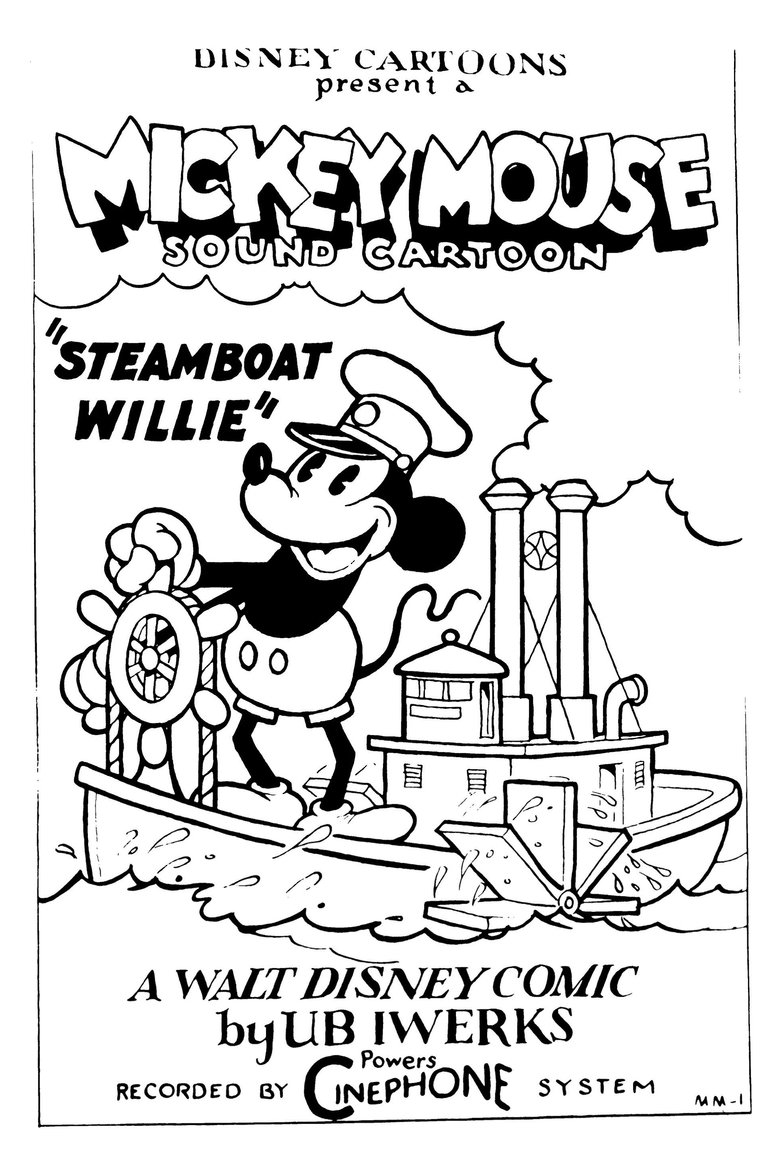
1. Steamboat Willie (1928)
Why It Still Works
Although "Steamboat Willie" was technically released in 1928, its impact on the world of animation was so profound that it continued to influence films in 1929 and beyond, making it a noteworthy mention. This short film marked the debut of Mickey Mouse and Minnie Mouse, characters who would become cultural icons. The film's groundbreaking use of synchronized sound created a new standard for animated storytelling, allowing characters to come alive with synchronized voices and sound effects that matched their actions. This innovation not only captivated audiences but also set a new benchmark for the industry, inspiring other animators to explore the possibilities of sound in animation.
Collector's Notes
For collectors, "Steamboat Willie" is a highly coveted piece due to its historical significance. Original prints and memorabilia related to this film are prized possessions, representing the birth of a cultural phenomenon and a pivotal moment in animation history. Owning a piece of "Steamboat Willie" is akin to holding a piece of cinematic history, a testament to the power of innovation and creativity in storytelling.
2. The Skeleton Dance (1929)
Why It Still Works
"The Skeleton Dance" is celebrated for its creative animation and synchronization with music, a hallmark of the "Silly Symphonies" series. Directed by Walt Disney and animated by Ub Iwerks, this short film was the first of the series, showcasing a new approach to storytelling that combined animation with classical music. The film features skeletons dancing in a graveyard, their movements perfectly synchronized to the musical score, creating a whimsical and engaging narrative that captivated audiences.
Collector's Notes
Collectors prize "The Skeleton Dance" not only for its role in establishing the "Silly Symphonies" series but also for its artistic innovation. The novelty of its animation techniques, combined with its clever use of music, makes original film cells and promotional materials valuable additions to any collection. These items are not merely collectibles; they are pieces of art that capture the essence of early animation's creative spirit.
3. Plane Crazy (1929)
Why It Still Works
"Plane Crazy" stands out as one of the first animated films to feature Mickey Mouse. Initially released as a silent film, it was later updated with sound following the success of "Steamboat Willie." The film showcases Mickey's adventurous spirit as he attempts to fly an airplane, a storyline that highlights the character's playful and daring nature. This early depiction of Mickey Mouse laid the foundation for the character's enduring popularity, introducing audiences to the dynamic character interactions that would become iconic in Disney animations.
Collector's Notes
For collectors, "Plane Crazy" is significant as one of Mickey Mouse's earliest appearances. Items such as original sketches or production notes from this film are rare treasures that capture a piece of animation history. These artifacts are not just memorabilia; they are windows into the creative process that brought one of the world's most beloved characters to life.
4. The Haunted House (1929)
Why It Still Works
"The Haunted House" is an animated short that features Mickey Mouse in a spooky yet humorous narrative. The film's effective use of sound enhances its eerie atmosphere, demonstrating the creative potential of integrating sound into animation to create mood and tone. The film's blend of horror and comedy showcases the versatility of animation as a storytelling medium, capable of evoking a wide range of emotions and experiences.
Collector's Notes
Original artwork or promotional material from "The Haunted House" is particularly valuable to collectors interested in the evolution of sound in animation. Its unique blend of horror and humor makes it a standout piece from the era, reflecting the innovative spirit of early animators who pushed the boundaries of what animation could achieve.
5. Jungle Rhythm (1929)
Why It Still Works
"Jungle Rhythm" is a Mickey Mouse short that exemplifies the playful and musical nature of early animations. The film features Mickey interacting with an array of jungle animals, showcasing the lively and expressive style of animation that characterized the era. The film's music-driven narrative highlights Mickey's universal appeal and the ability of animation to transcend language barriers through visual storytelling and rhythm.
Collector's Notes
For collectors, "Jungle Rhythm" offers a glimpse into the development of Mickey Mouse as a character and the evolving art of animation. Items related to this film are cherished for highlighting the early days of Mickey's adventures and the innovative animation techniques of the time. These pieces are not just collectibles; they are symbols of the creativity and imagination that defined early animation.
6. The Jazz Fool (1929)
Why It Still Works
"The Jazz Fool" is a Mickey Mouse short that capitalizes on the jazz music craze of the 1920s. Featuring Mickey performing a lively piano act, the film illustrates the integration of contemporary music trends into animation, enhancing its entertainment value and cultural relevance. The film's vibrant energy and musicality reflect the dynamic spirit of the Jazz Age, capturing the zeitgeist of the era through animation.
Collector's Notes
Collectors appreciate "The Jazz Fool" for its depiction of 1920s jazz culture and its innovative use of music in animation. Original items from this film are desirable for their cultural significance and representation of jazz influences in early cartoons. These collectibles are not merely artifacts; they are cultural touchstones that reflect the intersection of music and animation in the early 20th century.
7. El Terrible Toreador (1929)
Why It Still Works
"El Terrible Toreador" is the second installment in the "Silly Symphonies" series, depicting a humorous take on bullfighting. The film combines music and animation to create a playful narrative that explores different themes and cultures. Its stylistic approach highlights Disney's willingness to experiment with diverse subject matter, broadening the scope of animated storytelling.
Collector's Notes
For collectors, "El Terrible Toreador" is significant for its place in the "Silly Symphonies" series. Memorabilia from this short is valuable for its cultural exploration and the way it expanded the scope of animated storytelling. These items are not just collectibles; they are testaments to the creativity and innovation that characterized early animation.
8. Springtime (1929)
Why It Still Works
"Springtime" is part of the "Silly Symphonies" series, capturing the essence of nature's renewal through animated musical storytelling. The short film synchronizes classical music with vibrant animations of animals and flowers, showcasing the beauty of the natural world. The film's artistic portrayal of nature reflects the ability of animation to evoke emotion and wonder through visual storytelling.
Collector's Notes
Collectors value "Springtime" for its artistic portrayal of nature and its integral role in the "Silly Symphonies" series. Items related to this film are prized for their artistic quality and depiction of early animation's ability to evoke emotion through music and imagery. These collectibles are not just artifacts; they are expressions of the beauty and creativity that define early animation.
9. Hell's Bells (1929)
Why It Still Works
"Hell's Bells" is a darkly comedic entry in the "Silly Symphonies" series, set in a fiery underworld. Its bold visual style and musical score create a memorable and unique atmosphere, demonstrating the range of themes explored in early animation. The film's daring subject matter reflects the willingness of early animators to push the boundaries of storytelling, exploring themes that were both entertaining and thought-provoking.
Collector's Notes
For collectors, "Hell's Bells" is intriguing due to its daring subject matter and distinctive animation style. Original materials from this film are highly sought after for their representation of the boundary-pushing nature of the "Silly Symphonies." These items are not just collectibles; they are symbols of the innovative spirit that defined early animation and its willingness to explore diverse themes and narratives.
10. Merry Dwarfs (1929)
Why It Still Works
"Merry Dwarfs" is another entry in the "Silly Symphonies" series, focusing on a whimsical community of dwarfs. The film's cheerful tone and synchronized music exemplify the charm and creativity of early animation. Its imaginative depiction of fantasy and community reflects the ability of animation to create worlds that are both enchanting and relatable.
Collector's Notes
Collectors appreciate "Merry Dwarfs" for its joyful depiction of fantasy and its contribution to the "Silly Symphonies" series. Items from this film are valued for their embodiment of early animation's imaginative storytelling and artistic innovation. These collectibles are not just artifacts; they are celebrations of the creativity and wonder that define early animation.
Embracing the Legacy of 1929 Animation
The animated films of 1929 offer a fascinating glimpse into the early days of a medium that continues to evolve and inspire. These films not only entertained audiences of their time but also laid the groundwork for future innovations in animation. From the groundbreaking use of synchronized sound in "Steamboat Willie" to the imaginative storytelling of the "Silly Symphonies," each film on this list showcases the creativity and artistry that defined the era. For collectors and fans alike, these films are more than just historical artifacts; they are timeless treasures that continue to captivate and delight audiences around the world. As you explore these animated classics, you'll discover the enduring magic that has kept them relevant and beloved for generations.
The films of 1929 remind us of the power of animation to tell stories that transcend time and culture. They capture the spirit of innovation that drove early animators to experiment with new techniques and ideas, paving the way for the rich and diverse world of animation we enjoy today. Whether you are revisiting these classics or discovering them for the first time, they offer a window into a world of creativity and imagination that continues to inspire and entertain. As we embrace the legacy of 1929 animation, we celebrate the pioneering spirit that has shaped the art form and continues to inspire new generations of animators and storytellers.