Top 10 Comedy Movies of 1930
Top 10 Comedy Movies of 1930
A Journey Back to 1930: The Year of Laughter
The year 1930 was a pivotal moment in cinema history. As the world recovered from the Great Depression, audiences sought solace in laughter, making comedy films more popular than ever. This year marked the early days of 'talkies' and brought a unique blend of slapstick, wit, and musical humor to the silver screen. The comedy films from 1930 not only offered an escape but also showcased the burgeoning talents of directors and actors who would go on to become icons. For collectors, these movies are more than just films; they are artifacts of a bygone era of cinematic innovation and cultural significance. Let's explore the top 10 comedy movies of 1930 that left an indelible mark on the world of entertainment.
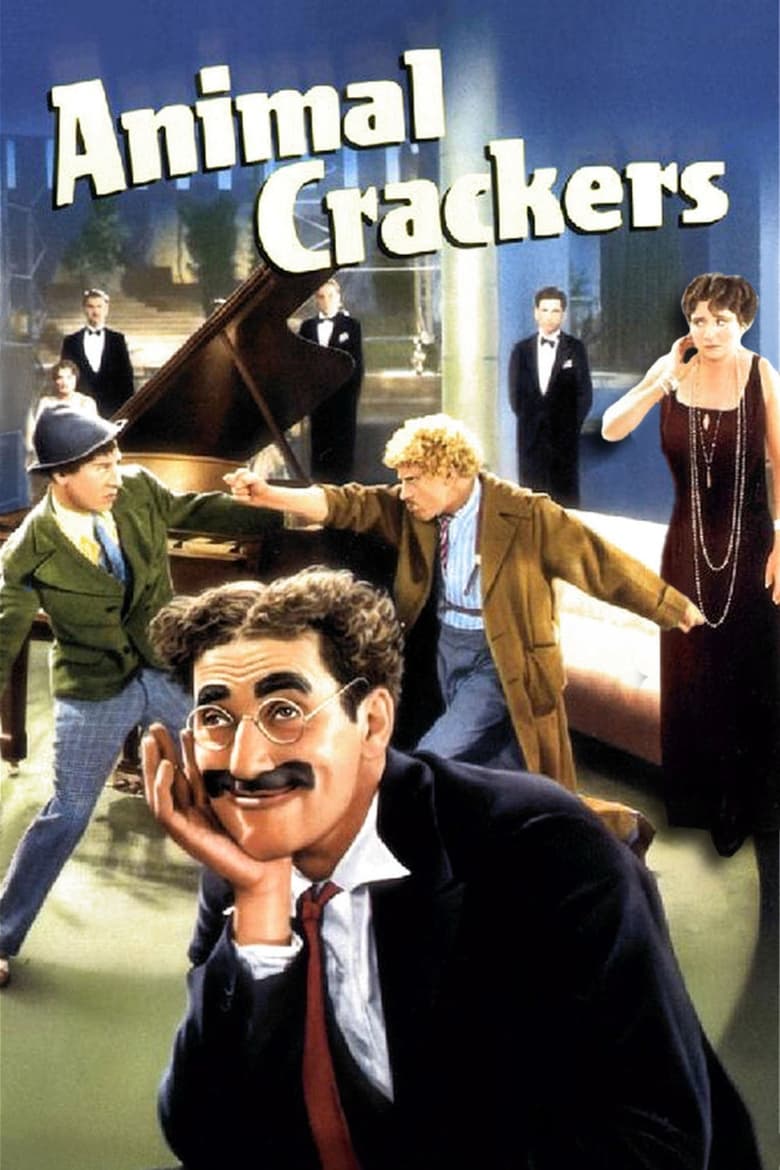
1. Animal Crackers (1930)
Why It Still Works
Featuring the Marx Brothers, 'Animal Crackers' is a quintessential example of early American comedy. The film's clever dialogue and absurd antics are timeless, showcasing the unique humor style of Groucho, Harpo, Chico, and Zeppo. The brothers' ability to blend physical comedy with quick-witted repartee set them apart from their contemporaries. Groucho's iconic one-liners and Harpo's silent antics created a dynamic that was both chaotic and brilliantly orchestrated.
Collector's Notes
For collectors, 'Animal Crackers' is a must-have as it marks the Marx Brothers' second film appearance, cementing their legendary status. The film is a representation of the transition from silent films to 'talkies', offering a glimpse into the evolving world of cinema. Its preservation is crucial for understanding how comedic timing and delivery adapted to the new sound era, and how the Marx Brothers became a cultural phenomenon during this time.
2. The Divorcee (1930)
A Pioneer in Wit
Starring Norma Shearer, 'The Divorcee' cleverly blends drama and comedy, exploring themes of love and independence that were revolutionary for its time. The film was daring in its portrayal of a woman's right to assert her independence, and Shearer's performance was both groundbreaking and critically acclaimed, earning her an Academy Award. The narrative was infused with wit and subtle humor, challenging societal norms and pushing the boundaries of what was acceptable in cinema.
Collector's Notes
This film is a gem for collectors, as it represents the Pre-Code Hollywood era, known for its more liberal approach to storytelling. The movie is a testament to the changing societal norms of its time, capturing a moment when films began to reflect the complexities of modern relationships and the shifting roles of women. Its historical significance lies in its bold narrative choices and the way it paved the path for future films that tackled similar themes.
3. The Love Parade (1930)
Musical Comedy at Its Best
Directed by Ernst Lubitsch, 'The Love Parade' is a delightful musical comedy that set the standard for future musical films. The chemistry between Maurice Chevalier and Jeanette MacDonald is captivating, with songs that became instant classics. Lubitsch's direction was pivotal in seamlessly integrating music with storytelling, creating a film that was as engaging to watch as it was to listen to.
Collector's Notes
For collectors, 'The Love Parade' is a landmark film, being one of the early musicals that successfully integrated song and dialogue. It’s a piece of cinema history that showcases the early potential of sound in film. The film's artistic and technical achievements made it a blueprint for future musical comedies, influencing the genre's evolution throughout the decades.
4. The Big House (1930)
A Dark Comedy with Impact
While primarily a drama, 'The Big House' includes elements of dark comedy that make it stand out. It deals with serious themes like crime and punishment but balances them with sharp wit and humor. The film’s narrative structure and character dynamics allowed for moments of levity amidst its heavier themes, providing audiences with a nuanced viewing experience.
Collector's Notes
This film is notable for its innovative use of sound, winning an Oscar for Best Sound Recording. Collectors value it for its pioneering role in presenting sound in a way that enhanced storytelling. Its approach to sound technology was revolutionary, showcasing how auditory elements could be used to heighten tension and comedy within the same narrative framework.
5. Monte Carlo (1930)
Romance and Comedy
'Monte Carlo' is another Lubitsch-directed gem, combining romance with comedy in a way that only he could. The film's charming narrative and engaging performances make it a delightful watch. With its sophisticated humor and enchanting musical numbers, 'Monte Carlo' exemplified the elegance and charm that Lubitsch brought to his films.
Collector's Notes
Collectors cherish 'Monte Carlo' for its embodiment of the 'Lubitsch Touch' — a style of comedy characterized by sophistication and subtlety. It’s a must-have for those who appreciate the golden age of musicals. The film's influence can be seen in the way it seamlessly blended romance and comedy, setting a standard for future romantic comedies.
6. Feet First (1930)
Harold Lloyd's Comedic Genius
Harold Lloyd stars in 'Feet First', bringing his physical comedy prowess to the talkies. The film is filled with daring stunts and humorous situations that highlight Lloyd's talent. His ability to perform complex stunts while maintaining comedic timing made him a standout figure in early cinema.
Collector's Notes
For those who collect early comedy films, 'Feet First' is a significant addition. It showcases Lloyd's transition from silent films to sound, capturing the evolution of his comedic style. The film is a testament to Lloyd's adaptability and his contribution to the art of physical comedy, influencing countless comedians who followed.
7. Free and Easy (1930)
Buster Keaton's Talkie Debut
'Free and Easy' marks Buster Keaton's transition into sound films. Although not as acclaimed as his silent work, it features his trademark physical comedy and wit. Keaton's ability to adapt his silent-era skills to sound films demonstrated his versatility as a performer.
Collector's Notes
Collectors prize this film as it represents a key moment in Keaton's career. It offers insight into how silent film stars adapted to the new era of sound in cinema. The film serves as an essential piece of Keaton's legacy, highlighting both his comedic genius and the challenges faced by silent film actors during the transition to sound.
8. Queen High (1930)
Musical Farce and Fun
'Queen High' is a lively musical comedy that combines farce with catchy tunes. It is an adaptation of a Broadway play and retains the theatrical humor that made it a hit. The film's energetic performances and playful narrative make it a standout in the musical comedy genre.
Collector's Notes
This film is a collector's delight due to its roots in stage performance, capturing a time when Broadway heavily influenced cinema. It’s a snapshot of the vibrant theatrical style of the era. Collectors appreciate its historical significance as a bridge between stage and screen, preserving the theatrical traditions that shaped early film musicals.
9. Puttin' on the Ritz (1930)
Glamour and Music
This film is known for its titular song, which became a cultural phenomenon. 'Puttin' on the Ritz' combines glamour and music with a comedic storyline that's engaging and entertaining. The song's catchy rhythm and lyrics have endured, becoming a staple in American music culture.
Collector's Notes
Collectors value this film for its iconic musical number, a staple in American pop culture. It provides a glimpse into the era's fascination with opulence and showmanship. The film's lavish production and memorable music make it a cherished piece of cinematic history, reflecting the extravagance and optimism of the era.
10. The Florodora Girl (1930)
A Reflection of Its Time
'Florodora Girl' is a romantic comedy that captures the essence of the 1930s with its light-hearted plot and charming characters. The film's narrative explores themes of love and aspiration, set against the backdrop of an era defined by change and progress.
Collector's Notes
For collectors, its appeal lies in its portrayal of the era's social dynamics and its reflection of the changing roles of women in society. It’s a piece of cinematic history that offers both entertainment and insight. The film's depiction of evolving gender roles and societal expectations provides a valuable perspective on the cultural shifts of the time.
Reliving the Magic of 1930's Comedy
The comedy films of 1930 are more than just a collection of laughs; they represent a significant chapter in the history of cinema. As audiences sought joy during challenging times, these films provided not only amusement but also innovation in storytelling and sound. For collectors, these movies offer a treasure trove of historical significance, showcasing the creativity and resilience of filmmakers in a rapidly changing world. Whether you’re a seasoned collector or a casual fan, exploring these classics allows you to appreciate the art of comedy and the magic of filmmaking from an era that continues to influence the industry today. Dive into these gems and experience the laughter that has echoed through the decades, reminding us of the timeless power of humor.
These films capture a unique moment in history where humor served as both an escape and a reflection of society’s hopes and dreams. They were instrumental in shaping the future of cinema, introducing new techniques in storytelling, sound, and performance. As the world continues to evolve, these films remain a testament to the power of comedy and its enduring impact on culture and entertainment. Whether viewed for their historical significance or sheer entertainment value, the comedy films of 1930 continue to resonate, offering timeless humor and insight into the human condition.