Top 10 Crime Movies of 1930
Top 10 Crime Movies of 1930
Exploring the Cinematic Underworld of 1930
The year 1930 marked a pivotal moment in cinematic history, especially for the crime genre. As the film industry transitioned from silent films to talkies, directors and screenwriters began to explore more complex narratives and richer character development. The introduction of synchronized sound brought an entirely new dimension to storytelling, enabling filmmakers to delve into the nuances of dialogue and sound effects to heighten the tension and drama of crime stories. During this era, crime films were not only a reflection of society's fascination with the underworld but also a commentary on the socio-economic conditions of the time. These films laid the groundwork for the crime genre, which would continue to evolve and captivate audiences for decades to come. In this list, we're diving into the top 10 crime movies from 1930 that not only defined the era but also left a lasting impact on the genre.
Why It Still Works
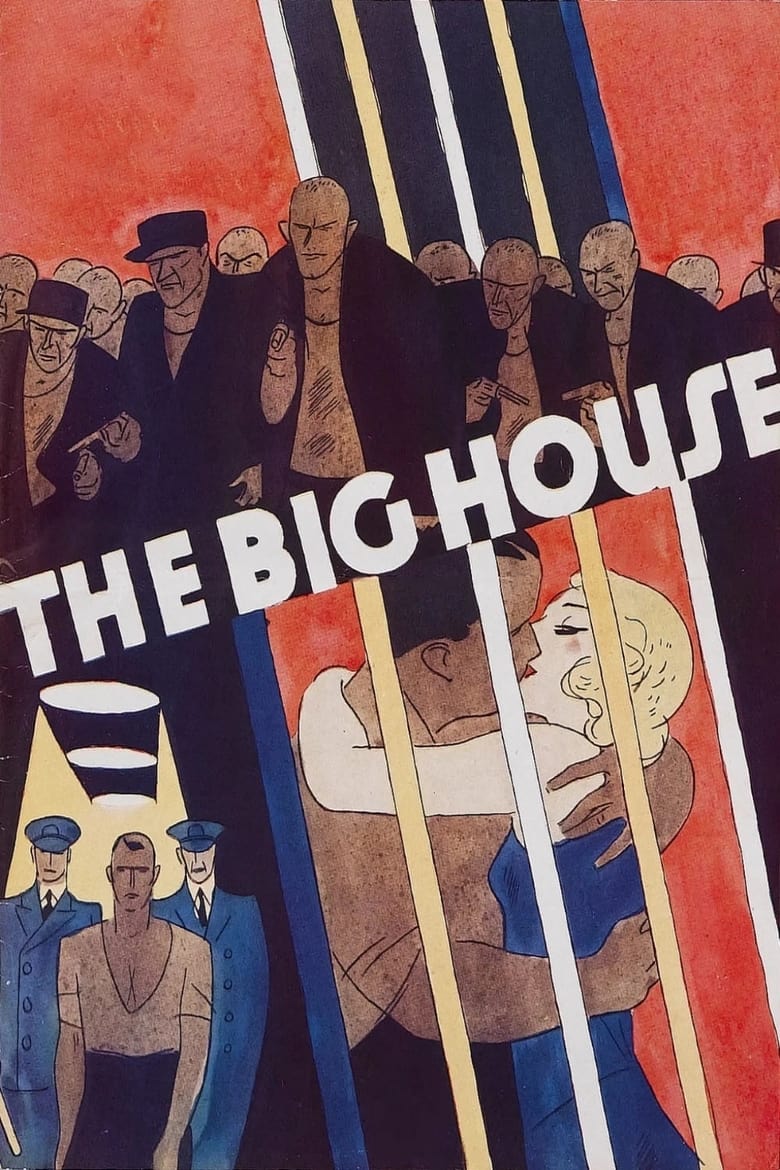
'The Big House' is a seminal film that set the standard for prison dramas. Its groundbreaking use of sound to create a tense atmosphere and its raw portrayal of prison life made it an instant classic. The film's success can be attributed to its strong performances, particularly by Wallace Beery, whose portrayal of a hardened convict is both sympathetic and menacing. The movie explores themes of redemption, justice, and the brutal realities of prison life, offering a stark look at the penal system during the Great Depression. Its depiction of the struggles inside prison walls resonated with audiences, many of whom were grappling with their own hardships during this turbulent period.
Collector's Notes
For collectors, 'The Big House' is a must-have due to its historical significance in the crime genre. The film won the first Academy Award for Best Sound, which was a major innovation at the time. Owning a copy of this film allows collectors to appreciate the technical advancements that helped shape modern cinema. Furthermore, its influence can be seen in the many prison dramas that followed, making it not only a piece of cinematic history but also a blueprint for future filmmakers.
Iconic Performance
Edward G. Robinson's portrayal of Rico Bandello in 'Little Caesar' is a landmark in crime film history. His intense performance brought a new level of depth to the archetypal gangster character, influencing countless films that followed. Robinson's depiction of Rico, a small-time hoodlum with big dreams, captures the essence of the American gangster: ambitious, ruthless, and ultimately tragic. His character's rise and fall mirror the real-life stories of infamous mobsters, resonating with audiences fascinated by the criminal underworld.
Collector's Notes
This film is a cornerstone for any collection focused on the evolution of the gangster genre. 'Little Caesar' is notable for its gritty realism and Robinson's memorable line, "Mother of mercy, is this the end of Rico?" It's a movie that not only entertained but also critiqued the American dream. The film's impact on pop culture and its role in shaping the gangster archetype make it an invaluable addition to any classic film collection.
A Different Kind of Crime
While not a typical crime film, 'The Divorcee' explores the societal 'crimes' related to gender roles and marital expectations. Norma Shearer's performance earned her an Academy Award, highlighting the film's impact. The narrative challenges the double standards of the time, presenting a woman's struggle for independence and equality in a male-dominated society. This film was groundbreaking in its portrayal of female empowerment and the consequences of breaking societal norms.
Collector's Notes
This film is a gem for collectors interested in pre-Code Hollywood. 'The Divorcee' challenged contemporary norms and showcased early Hollywood's willingness to tackle taboo subjects. It's a significant piece of film history, offering a glimpse into the era's cultural landscape. Collectors value it not only for its narrative boldness but also for its representation of the shifting attitudes towards gender roles during the early 20th century.
Rising Stars
'Lew Ayres' performance alongside a young James Cagney makes 'The Doorway to Hell' a notable entry in the crime genre. The film's gritty portrayal of the gangster lifestyle was ahead of its time. Ayres' character, a young crime lord trying to go straight, highlights the inner conflict and moral dilemmas faced by those entangled in the criminal world. Cagney's role, though secondary, showcased his dynamic presence, foreshadowing his future stardom as one of Hollywood's iconic tough guys.
Collector's Notes
Collectors value this film not only for its engaging story but also for its role in launching James Cagney's illustrious career. It's an essential film for those interested in the roots of the gangster film tradition and the stars that shaped it. The film's exploration of crime as a business and its impact on personal relationships adds depth to its narrative, making it a compelling addition to any crime film collection.
Hitchcock's Early Mastery
Alfred Hitchcock's 'Murder!' is a fascinating exploration of justice and morality. The film's innovative narrative structure and suspenseful storytelling foreshadow Hitchcock's later masterpieces. The plot, centered around a juror who doubts the guilt of a convicted woman, delves into themes of conscience, prejudice, and the fallibility of the legal system. Hitchcock's use of sound and visual techniques to build tension showcases his early understanding of suspense and psychological drama.
Collector's Notes
'Murder!' holds a special place in Hitchcock's oeuvre, marking his early experimentation with themes that would define his career. For collectors, it's a chance to own a piece of cinematic history from one of the most influential directors of all time. The film's exploration of the complexities of justice and its innovative use of sound make it a vital addition for any collection focused on the evolution of suspense and thriller genres.
A Tale of Love and Crime
Starring Gary Cooper and Sylvia Sidney, 'City Streets' blends romance with the crime genre, offering a unique narrative that captivated audiences with its emotional depth and moral ambiguity. Cooper's character, a carnival shooter drawn into the world of organized crime, highlights the seductive and destructive nature of the criminal lifestyle. The film's exploration of love and loyalty amidst the backdrop of crime provides a poignant commentary on personal choice and sacrifice.
Collector's Notes
The film is a treasure for collectors interested in early sound cinema. Its cinematography and storytelling techniques were innovative for the time, capturing the visual and emotional essence of the era. It's a testament to the storytelling potential of the crime genre. The film's blend of romance and crime offers a unique perspective, making it a valuable addition for those interested in the diverse narratives of early 20th-century cinema.
A Russian Adaptation
Based on Leo Tolstoy's play, 'The Living Corpse' offers a unique take on crime and redemption. Its exploration of existential themes set it apart from typical crime narratives of the time. The story revolves around a man who fakes his own death to escape a life of unhappiness, only to confront the moral and societal implications of his decision. The film's philosophical undertones offer a deep reflection on identity, freedom, and the consequences of one's actions.
Collector's Notes
This film is a rarity, appealing to collectors interested in international cinema and literary adaptations. Its unique storyline and cultural significance make it a valuable addition to any collection focused on world cinema history. The film's adaptation of Tolstoy's themes into a cinematic format provides a fascinating study of cross-cultural storytelling and the universal nature of human struggles.
Justice and Humanity
Howard Hawks' 'The Criminal Code' examines the complexities of the legal system and human morality. Its engaging narrative and strong performances make it a standout film of the era. The film delves into the harsh realities of prison life and the moral dilemmas faced by those within the judicial system. It challenges the audience to consider the balance between justice and compassion, highlighting the human cost of rigid legal structures.
Collector's Notes
For collectors, this film is notable for its direction by Howard Hawks, a director known for his versatility and influence. 'The Criminal Code' offers insights into early 20th-century societal issues, making it a compelling addition for those interested in cinematic portrayals of justice. The film's exploration of moral ambiguity and its impact on individuals make it a significant piece of cinema history.
Technological Innovation
In 'The Bat Whispers,' director Roland West utilized widescreen Magnifilm and sound technology to create an atmospheric mystery that was ahead of its time. The film's use of innovative filming techniques, such as deep focus and creative lighting, contributed to its eerie and suspenseful atmosphere. The narrative, centered around a mysterious criminal known as "The Bat," captivated audiences with its blend of mystery and suspense.
Collector's Notes
This film is a must-have for collectors interested in technological advancements in cinema. Its use of widescreen and sound is a precursor to modern filmmaking techniques, showcasing the early potential of cinematic storytelling. The film's atmospheric style and technical achievements make it an essential addition for those interested in the evolution of film technology and its impact on narrative construction.
A Unique Remake
This sound remake of the 1925 silent film features Lon Chaney in his only talking role. 'The Unholy Three' blends crime with elements of circus life, creating an unusual but engaging narrative. The story follows a trio of circus performers who turn to crime, using their unique talents to orchestrate elaborate heists. Chaney's performance as a ventriloquist and mastermind of the group adds a layer of intrigue and complexity to the film.
Collector's Notes
For collectors, 'The Unholy Three' represents an important era in film history—the transition from silent to sound cinema. Chaney's performance is a rare gem, offering a glimpse into the versatility and talent of one of Hollywood's early stars. The film's blend of crime and circus life provides a unique narrative experience, making it a valuable addition for those interested in the diverse storytelling possibilities of early sound cinema.
The Enduring Appeal of 1930's Crime Films
The crime films of 1930 offer more than just entertainment; they provide a window into the societal and technological shifts of the era. From groundbreaking performances to technical innovations, these films laid the foundation for the crime genre's evolution. Collectors and cinephiles alike can appreciate the artistry and influence of these movies, which continue to inspire filmmakers and captivate audiences. Whether you're drawn to the gritty realism of 'Little Caesar' or the pioneering sound design of 'The Big House,' these films are essential viewing for anyone interested in the history of cinema. Embrace the past and enrich your collection with these timeless classics.
The films of 1930 reflect a society in transition, grappling with issues of crime, justice, and morality during a time of economic uncertainty and technological advancement. They capture the imagination with stories of ambition, betrayal, and redemption, offering timeless narratives that resonate with audiences even today. For enthusiasts of classic cinema, these films are not just relics of the past but vibrant pieces of art that continue to speak to the human condition. By exploring the top crime films of 1930, we gain insight into the early days of the genre and the innovative spirit that drove filmmakers to push the boundaries of storytelling.