Top 10 Crime Movies of 1932
Top 10 Crime Movies of 1932
The Crime Cinema of 1932: A Year in Review
1932 was a remarkable year for the crime genre in film. This was the era when gangsters ruled the silver screen, and audiences were captivated by tales of deceit, power, and moral ambiguity. The Great Depression was in full swing, and people sought both escapism and reflection in the theaters. Crime movies offered a gritty glimpse into a world where the rules were constantly bent. Directors and actors of the time took bold risks, crafting narratives that were both thrilling and thought-provoking. This was a period rich with innovation, as filmmakers experimented with sound and narrative structure to enhance storytelling. Join us as we dive into the top 10 crime movies of 1932, examining what made each one a standout and why they remain cherished by collectors today.
Why It Still Works
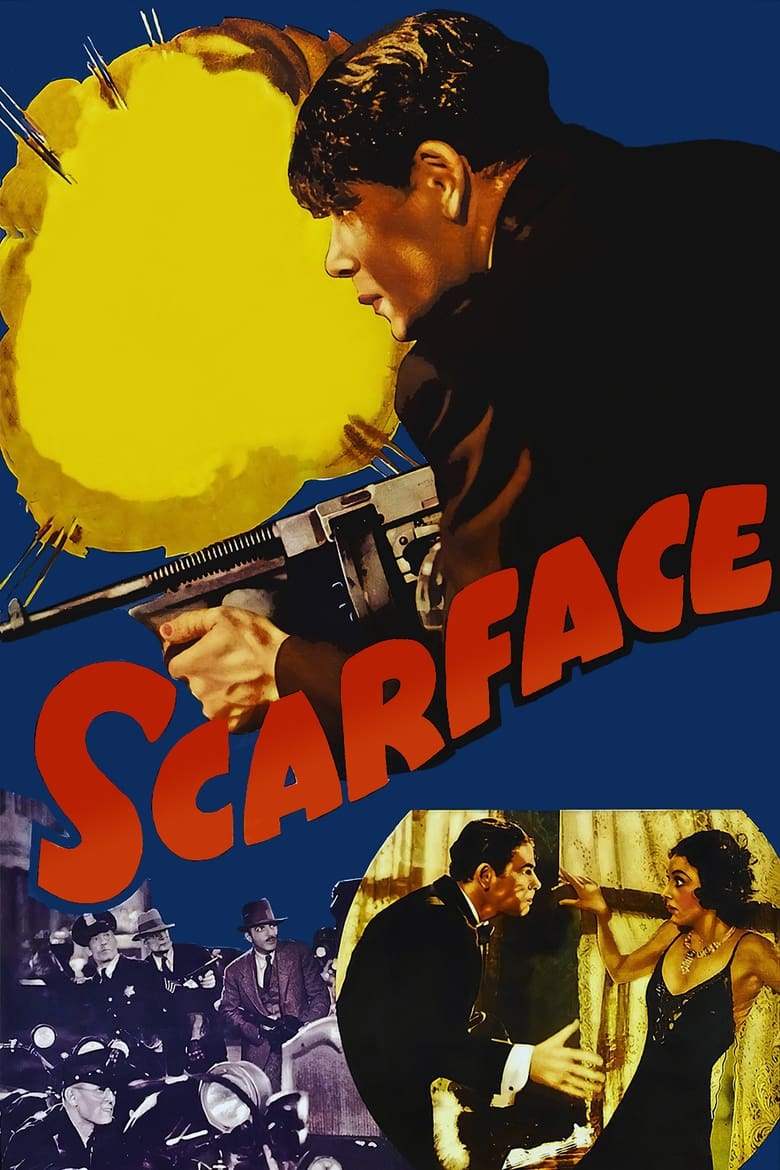
'Scarface' is a seminal film in the crime genre, directed by Howard Hawks and produced by Howard Hughes. It ranks at the top due to its bold narrative and technical innovation. Loosely based on the life of Al Capone, it explores the rise and fall of gangster Tony Camonte. The film's unflinching portrayal of violence and corruption was groundbreaking at the time. It delved into the psychology of a man driven by an insatiable hunger for power, providing audiences with a complex character study that was as thrilling as it was unsettling. The use of sound in 'Scarface' was particularly innovative, with its carefully crafted dialogue and sound effects heightening the tension in key scenes.
Collector's Notes
For collectors, the historical context and its influence on later films make it a prized possession. Original posters and memorabilia are valuable and sought after, often fetching high prices at auctions. The film's stark black-and-white cinematography and iconic performances have cemented its status as a classic. The influence of 'Scarface' can be seen in countless films that followed, making it a cornerstone of any serious film collection. Collectors often seek out rare behind-the-scenes photos and promotional materials, which capture the essence of this iconic production.
Why It's Important
'I Am a Fugitive from a Chain Gang' is a gripping film based on the autobiography of Robert E. Burns. Directed by Mervyn LeRoy, it tells the harrowing story of a wrongfully convicted man struggling to survive the brutality of chain gang life. Its social commentary on the American justice system resonated with audiences and critics alike. The film's stark portrayal of the harsh realities of prison life and its critique of the penal system were bold for its time, challenging viewers to question the efficacy and morality of such institutions.
Collector's Notes
The film's powerful narrative and Paul Muni's compelling performance make it a must-have. Collectors value original prints and posters, as they represent a significant piece of cinematic history. Its impact on subsequent prison dramas adds to its collectible allure. Memorabilia from the film can offer insights into the production process and the societal issues it aimed to highlight, making them valuable not just monetarily, but also as cultural artifacts.
Why It Stands Out
'The Beast of the City' is notable for its raw depiction of crime and law enforcement. Directed by Charles Brabin, it presents a more realistic view of police work, diverging from romanticized portrayals. The film's climactic shootout scene is particularly memorable, adding to its impact. The narrative explores themes of justice, corruption, and the moral complexities faced by those in law enforcement, offering a multifaceted view of the crime genre.
Collector's Notes
Collectors appreciate the film for its unique take on crime and law enforcement, making it a fascinating addition to any collection. Its rare promotional materials are especially prized, reflecting the film's enduring legacy in the genre. Collectors often seek out lobby cards and original promotional photographs, which capture the intensity and atmosphere of the film's most pivotal scenes.
Why It Deserves Attention
'The Mouthpiece' stars Warren William as a slick attorney who turns from defending mobsters to seeking justice. This film cleverly blends crime drama with courtroom intrigue, maintaining tension throughout. The character's journey from a morally ambiguous lawyer to a seeker of justice provides a rich narrative arc that engages viewers and poses questions about integrity and redemption.
Collector's Notes
The film's unique narrative and Warren William's charismatic performance make it a standout. Collectors find the film's original lobby cards and posters particularly appealing, capturing the era's dramatic flair and style. These items not only represent the film's aesthetic but also offer a glimpse into the marketing strategies of early 1930s cinema.
Why It's Unique
'The Hatchet Man' is an unusual entry in the crime genre, featuring Edward G. Robinson in a role outside his typical gangster persona. The film explores themes of loyalty and betrayal in San Francisco's Chinatown. Its exploration of cultural identity and tradition, set against a backdrop of crime, offers a unique perspective rarely seen in films of the era.
Collector's Notes
Collectors are drawn to the film for its distinctive cultural perspective and Robinson's nuanced performance. Items related to the film, such as original scripts and promotional materials, are rare and valued, highlighting its unique place in crime cinema. Collectors often seek out items that reflect the film's cultural setting and themes, which are integral to its narrative.
Why It's Memorable
'Tiger Shark' directed by Howard Hawks, combines romance and crime against a backdrop of the fishing industry. The film is known for its intense character study and dramatic tension. Its narrative weaves personal drama with crime elements, creating a rich tapestry that engages viewers on multiple levels.
Collector's Notes
Collectors appreciate the film for its unique setting and Hawks' direction. Memorabilia, such as lobby cards and promotional stills, are treasured for capturing the film's atmospheric quality and distinctive style. These items are often sought after for their ability to convey the film's emotional depth and visual storytelling.
Why It's Noteworthy
'Night Court' offers an intriguing look at the judicial system, featuring a corrupt judge and the ensuing drama. The film's blend of suspense and moral questioning makes it stand out. It challenges viewers to consider the integrity of legal institutions and the potential for corruption within, offering a narrative that is as thought-provoking as it is suspenseful.
Collector's Notes
For collectors, the film's exploration of justice and corruption is compelling. Original film reels and promotional posters are highly sought after, making this a prized piece in any collection of early crime films. These items are valued not just for their rarity, but also for their representation of a film that dared to critique the very systems it portrayed.
Why It's Compelling
'Two Seconds' is a psychological crime drama starring Edward G. Robinson. The film delves into themes of guilt and morality, providing a gripping narrative. Its exploration of the human psyche and the consequences of one's actions offers a narrative that is both compelling and deeply human.
Collector's Notes
Collectors value 'Two Seconds' for its intense storytelling and Robinson's standout performance. Rare prints and original promotional materials are particularly desirable, reflecting the film's powerful impact. These items often serve as a testament to the film's ability to engage audiences on an emotional and intellectual level.
Why It's Significant
'The Wet Parade' addresses the effects of Prohibition, offering a socio-political critique wrapped in a crime drama. The film's ambitious narrative and well-rounded characters make it noteworthy. It explores the societal impact of Prohibition, offering a narrative that is as educational as it is entertaining.
Collector's Notes
For collectors, the film's historical context and its reflection on Prohibition are of great interest. Original posters and memorabilia are valued for their connection to a pivotal era in American history. These items not only represent the film itself but also serve as artifacts of a time when cinema was grappling with pressing social issues.
Why It's a Hidden Gem
'The Purchase Price' directed by William A. Wellman, blends romance and crime in a tale of a nightclub singer on the run. Its engaging storyline and Barbara Stanwyck's performance make it a hidden gem. The film's exploration of identity and reinvention offers a narrative that is both captivating and relatable.
Collector's Notes
Collectors appreciate the film for its engaging narrative and Wellman's direction. Items related to the film, such as original lobby cards and stills, are sought after for their depiction of early 1930s cinema. These items often capture the film's unique blend of genres, offering a glimpse into a film that defies easy categorization.
Why 1932 Still Resonates
The crime films of 1932 remain significant, offering a window into the societal concerns and cinematic innovations of the time. Each film on this list not only entertained but also provided commentary on the human condition and the complexities of morality. For collectors, these films are more than just entertainment; they are artifacts of a bygone era, capturing the essence of early 20th-century filmmaking. Whether you're a seasoned collector or a new enthusiast, exploring these films offers a rich and rewarding journey through cinema history. As you seek out these classic films, you're not just collecting movies; you're preserving a piece of cultural heritage that continues to influence filmmakers today. The narratives, themes, and characters of these films continue to resonate because they speak to universal human experiences and societal challenges that remain relevant. They are a testament to the enduring power of cinema to reflect and shape the world we live in, providing both a mirror and a lens through which we can view the complexities of our own time.