Top 10 Crime Movies of 1971
Top 10 Crime Movies of 1971
A Year of Intrigue and Crime
1971 was a watershed year for crime cinema, as directors and screenwriters pushed the genre into new territories with storytelling that was as complex as it was compelling. The gritty realism that defined the year’s cinematic offerings was reflective of the prevailing social and political climate. With the ongoing Vietnam War, the counterculture movement, and a growing sense of disillusionment among the public, filmmakers found a rich tapestry of themes to explore. This led to films that not only entertained but also provoked thought and discussion about justice, morality, and the human condition. Whether you are a devoted cinephile or a newcomer eager to explore the genre, the crime films of 1971 are essential viewing. Let’s delve deeper into the top 10 crime movies of 1971 that have not only stood the test of time but continue to resonate with audiences today.
Why It Still Works
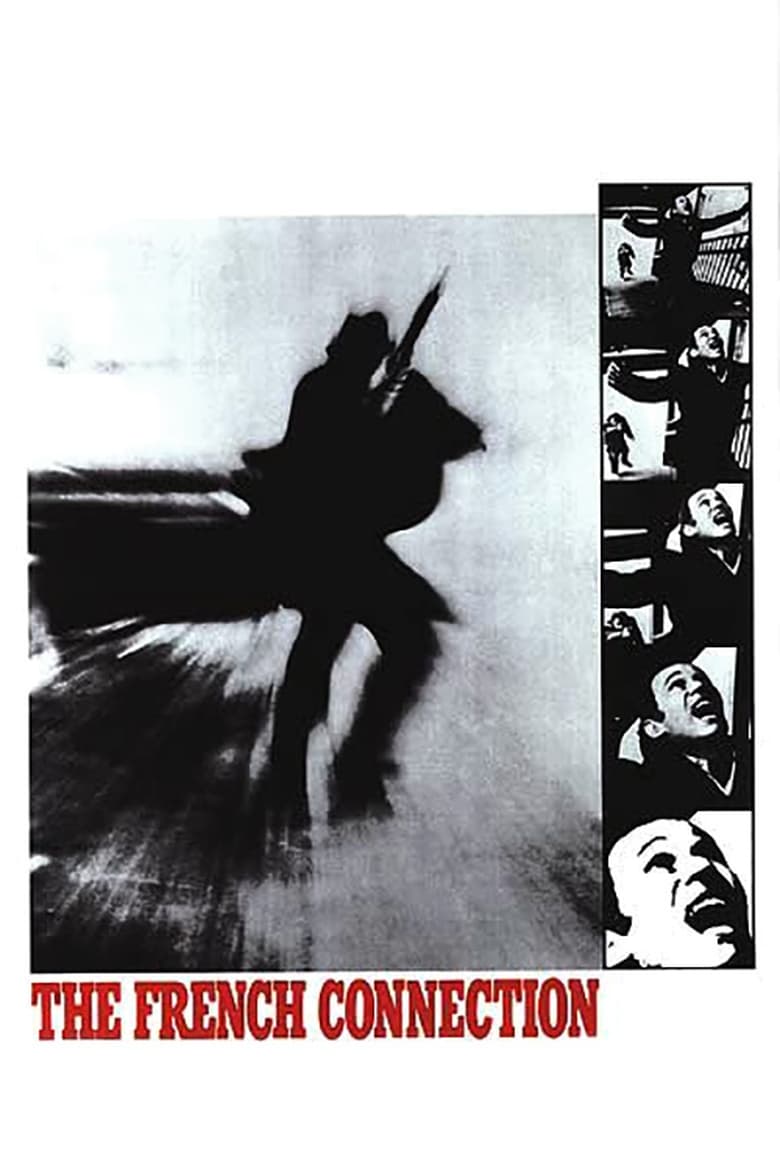
'The French Connection' remains a cornerstone of the crime genre, largely due to its groundbreaking chase scenes that set a new standard for action filmmaking. Directed by William Friedkin, the film is based on a true story and follows two relentless New York City detectives, played by Gene Hackman and Roy Scheider, as they pursue a sprawling drug smuggling operation. The film’s raw portrayal of urban crime and the intense dedication of law enforcement officers captures the gritty reality of police work in the 1970s. The film’s success is also attributed to its documentary-style cinematography, adding a layer of authenticity that draws viewers into the heart of the action.
Collector's Notes
Owning a copy of 'The French Connection' is akin to possessing a piece of cinematic history. For collectors, special editions that include behind-the-scenes documentaries, director commentary, and interviews with cast members provide invaluable insight into Friedkin's meticulous craftsmanship. The film's influence is evident in countless subsequent crime films, solidifying its status as an indispensable classic.
Why It Still Works
Clint Eastwood's portrayal of the hard-edged detective Harry Callahan in 'Dirty Harry' became an instant icon of American cinema. The film's exploration of justice, vigilantism, and moral ambiguity in a crime-ridden San Francisco remains relevant, offering a lens through which to examine contemporary issues of law enforcement and civil liberties. The character of Harry Callahan, with his steely resolve and unorthodox methods, challenges the boundaries of right and wrong, drawing viewers into a complex moral landscape. The film’s memorable dialogue, particularly the line "Do you feel lucky, punk?" has permeated popular culture, underscoring its enduring impact.
Collector's Notes
For collectors, 'Dirty Harry' is an essential acquisition due to its cultural significance and its profound influence on the vigilante cop genre. Special editions featuring restored footage, retrospectives on Eastwood's illustrious career, and discussions on the film’s societal impact enrich the viewer’s experience and deepen appreciation for this cinematic milestone.
Why It Still Works
Stanley Kubrick's 'A Clockwork Orange' defies easy categorization, blending dystopian fantasy with crime drama to create a provocative and unsettling film. The film confronts viewers with challenging questions about free will, the nature of violence, and the role of society in shaping behavior. Its unique visual style and haunting narrative continue to provoke debate and analysis, making it a staple for those who appreciate films that challenge conventions and push boundaries. The film’s exploration of the psychological impact of conditioning and the loss of individuality resonates with audiences, ensuring its place in the pantheon of cinema classics.
Collector's Notes
Collectors prize 'A Clockwork Orange' for its controversial nature and artistic merit. Editions that include Kubrick's insights into the film's creation, as well as its cultural and cinematic impact, offer a richer understanding of its enduring legacy. The film’s influence extends beyond cinema, impacting literature, art, and cultural discourse.
Why It Still Works
'Get Carter,' starring Michael Caine, is a quintessential British crime film that is celebrated for its gritty realism and unflinching portrayal of the criminal underworld. Caine's performance as Jack Carter, a ruthless enforcer seeking retribution for his brother's death, is both chilling and compelling. The film’s stark depiction of violence and its exploration of themes such as revenge, loyalty, and the moral ambiguity of the criminal code resonate with audiences, transcending cultural and national boundaries.
Collector's Notes
For those who appreciate British cinema, 'Get Carter' is a must-have. Special editions often include interviews with Michael Caine, discussions on the film’s impact on British gangster movies, and analyses of its stylistic and narrative innovations. The film’s influence can be seen in the subsequent wave of British crime dramas that sought to emulate its success.
Why It Still Works
'Klute,' starring Jane Fonda and Donald Sutherland, is a masterful blend of crime thriller and psychological drama. The film’s nuanced exploration of character and motive elevates it beyond a typical detective story, offering a layered and complex narrative that delves into the intricacies of human behavior. Fonda's portrayal of Bree Daniels, a call girl entangled in a murder investigation, is both powerful and poignant, earning her an Academy Award for Best Actress. The film’s exploration of themes such as identity, vulnerability, and the search for truth continues to captivate audiences.
Collector's Notes
'Klute' is a significant film for collectors interested in character-driven narratives. Editions featuring discussions on Fonda’s award-winning performance, the film’s influence on the neo-noir genre, and its thematic depth provide a comprehensive view of its contributions to cinema. The film’s stylistic and narrative innovations have left a lasting impact on the genre.
Why It Still Works
Sam Peckinpah's 'Straw Dogs' is a potent mix of psychological tension and brutal violence, starring Dustin Hoffman. The film explores the limits of human endurance and the primal instincts that surface in extreme situations, challenging viewers to confront uncomfortable truths about aggression and survival. Peckinpah’s unflinching depiction of violence and its aftermath sparked controversy upon release, yet the film’s exploration of power dynamics and the nature of violence remains relevant and compelling.
Collector's Notes
This film remains a collector’s gem due to its controversial themes and its influence on psychological thrillers. Versions with director’s commentary, analyses of the film’s impact on censorship and violence in cinema, and discussions on its thematic depth offer valuable insights into its enduring legacy. The film’s exploration of human psychology and societal norms continues to provoke thought and discussion.
Why It Still Works
'Shaft' introduced audiences to one of the coolest detectives in cinema history. Richard Roundtree's portrayal of John Shaft, combined with Isaac Hayes' unforgettable soundtrack, turned this film into a cultural phenomenon. The film's depiction of an African American protagonist who is both confident and competent was groundbreaking, offering a powerful and positive representation that resonated with audiences. 'Shaft' not only invigorated the blaxploitation genre but also influenced the portrayal of African American characters in cinema.
Collector's Notes
'Shaft' is a must-own for its pioneering role in the blaxploitation genre. Collectors should look for versions that include commentary on its cultural impact, discussions on the evolution of the genre, and insights into the film’s stylistic innovations. The film’s influence can be seen in the subsequent wave of films that sought to emulate its success and cultural significance.
Why It Still Works
Starring Sean Connery, 'The Anderson Tapes' is a heist movie with a twist, incorporating themes of surveillance and technology. The film was ahead of its time in exploring the implications of privacy and security, making it especially relevant in today’s digital age. The film’s innovative narrative structure and its exploration of the ethical dilemmas posed by surveillance technology offer a prescient look at issues that continue to dominate contemporary discourse.
Collector's Notes
Collectors will appreciate this film for its innovative approach to the heist genre. Special editions often feature discussions on its prescient take on surveillance, its place in Connery’s post-Bond career, and its influence on subsequent films exploring similar themes. The film’s exploration of technology and privacy remains pertinent in an era defined by digital surveillance and data privacy concerns.
Why It Still Works
While 'The Hospital' primarily deals with the medical world, its satirical take on institutional systems and the crimes within them makes it unique. George C. Scott delivers a powerhouse performance, elevating the film’s critical look at society and its institutions. The film’s exploration of themes such as bureaucracy, ethics, and the human cost of institutional failures resonates with audiences, offering a biting critique of the systems that govern our lives.
Collector's Notes
For those interested in films that blend genres, 'The Hospital' is a fascinating addition. Look for editions with insights into the screenplay's sharp wit, Scott’s compelling portrayal, and discussions on the film’s societal impact. The film’s innovative narrative and its exploration of complex themes continue to captivate and challenge viewers.
Why It Still Works
Clint Eastwood stars in 'The Beguiled,' a Southern gothic thriller that delves into themes of betrayal, revenge, and the complexities of human relationships. The film’s unique setting and narrative style make it stand out among 1971’s crime films, offering a haunting exploration of power dynamics and psychological manipulation. The film’s exploration of themes such as trust, loyalty, and the darker aspects of human nature continues to resonate with audiences.
Collector's Notes
This film is essential for collectors who appreciate unconventional narratives. Special editions might include discussions on its innovative storytelling, Eastwood’s departure from his typical roles, and its impact on the genre. The film’s exploration of complex themes and its unique narrative structure offer a fresh perspective on the crime genre.
Revisiting the Classics
The crime films of 1971 offer a fascinating glimpse into a pivotal era of cinema. From the gritty realism of 'The French Connection' to the dystopian vision of 'A Clockwork Orange,' these films reflect the societal tensions and artistic innovations of their time. They challenge viewers to confront moral ambiguities, societal norms, and the complexities of human behavior. For collectors, these movies are not just entertainment; they are pieces of cinematic history that capture the zeitgeist of the early 1970s. Each film on this list promises to enrich your understanding of the crime genre and its evolution, offering a window into the past while remaining relevant today. So, dust off those shelves and make room for these timeless classics, each a testament to the enduring power of cinema to entertain, provoke, and inspire.