Top 10 Crime Movies of 1960
Top 10 Crime Movies of 1960
Exploring the Crime Cinema of 1960
The year 1960 marked a transformative period for crime films, blending traditional noir elements with modern narratives that resonated with audiences worldwide. As the world watched geopolitical shifts and cultural revolutions unfold, filmmakers took bold steps in storytelling, offering movies that were not just entertaining but also thought-provoking. This era saw the emergence of complex characters and intricate plots that challenged the status quo. For collectors, these films are treasures, offering a window into the past with stories that still hold relevance today. Let's delve into the top 10 crime movies from 1960 that captivated audiences and continue to intrigue film enthusiasts and collectors alike.
Why It Still Works
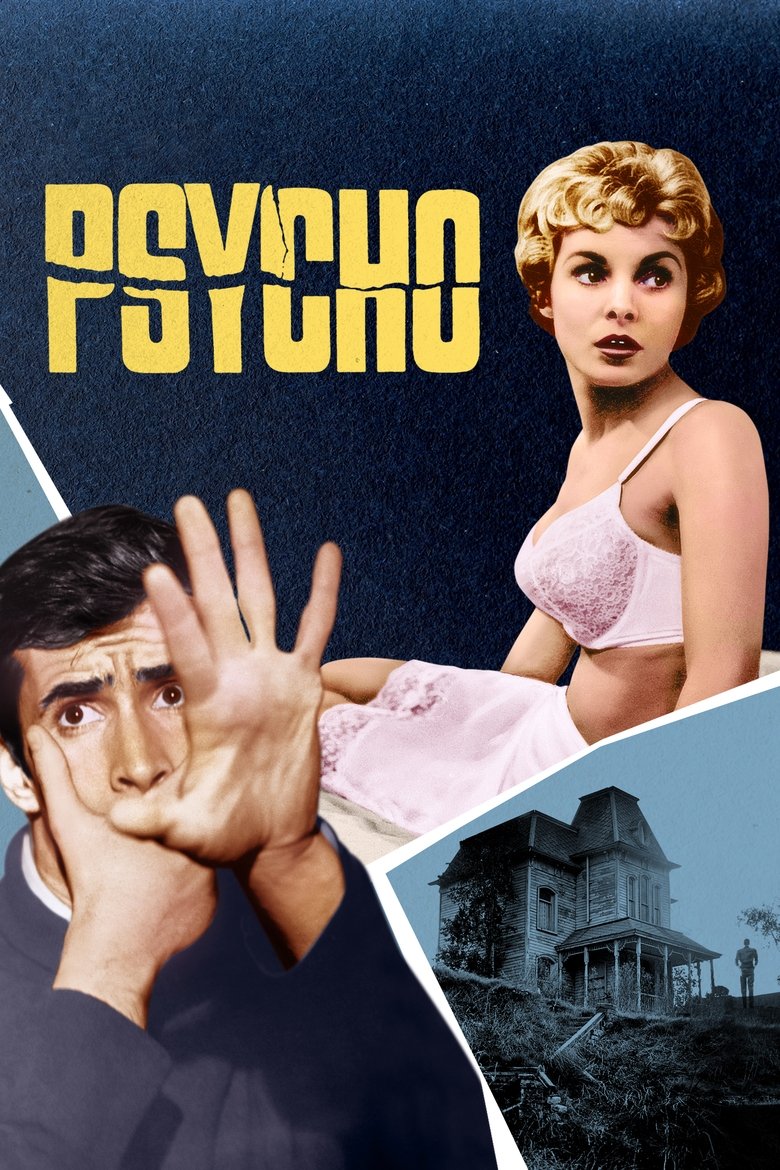
Alfred Hitchcock's 'Psycho' is a masterpiece that redefined the psychological thriller genre. Its innovative narrative structure and shocking twists left audiences on the edge of their seats. Anthony Perkins' portrayal of Norman Bates remains one of cinema's most chilling performances. The film's ability to delve into the human psyche, exploring themes of identity, madness, and duality, set a new standard for horror and thriller genres. Hitchcock's masterful use of suspense and the infamous shower scene, with its rapid cuts and haunting score by Bernard Herrmann, remains a textbook example of tension-building in film.
Collector's Notes
For collectors, 'Psycho' is a must-have due to its revolutionary cinematography, particularly the infamous shower scene, which is studied for its technical brilliance. The film's influence on subsequent crime and horror films makes it an essential piece in any collection. The original posters and memorabilia from the film's release have become highly sought after, particularly given Hitchcock's unique approach to marketing the film, which included strict instructions to theaters not to allow late entry, ensuring audiences experienced the film's twists as intended.
Why It Still Works
Jean-Luc Godard's 'Breathless' is a seminal work in the French New Wave movement, renowned for its innovative editing and storytelling style. The film follows a young car thief, played by Jean-Paul Belmondo, navigating the streets of Paris in a tale of love and betrayal. Godard's use of jump cuts and handheld cameras broke traditional cinematic conventions, creating a fresh, kinetic energy that mirrored the film's youthful rebellion. The film captures a sense of existential angst and disillusionment that resonated deeply with the post-war generation, making it a timeless piece of cinematic art.
Collector's Notes
Collectors treasure 'Breathless' for its groundbreaking approach to film narrative and style. The film's use of jump cuts and its influence on modern filmmaking make it a pivotal piece of cinema history, appealing to those interested in the evolution of crime films. Original French posters and rare behind-the-scenes photographs are particularly prized, offering a glimpse into the creative process of one of cinema's most influential directors.
Why It Still Works
While 'The Apartment' is often categorized as a romantic comedy, its underlying narrative about corporate greed and moral ambiguity places it firmly in the crime genre. Directed by Billy Wilder, it stars Jack Lemmon and Shirley MacLaine in a story that critiques the American corporate lifestyle. The film cleverly balances humor with a biting social commentary on the ethical compromises people make in the pursuit of success. Wilder's sharp script and keen direction highlight the duplicity and loneliness hidden beneath the surface of professional ambition.
Collector's Notes
Collectors value 'The Apartment' for its sharp wit and critical take on societal norms. Its success at the Oscars, including Best Picture, adds to its prestige, making it a sought-after piece for those who appreciate films with a blend of humor and social commentary. Memorabilia such as lobby cards, original scripts, and signed photographs of the lead actors are highly coveted, reflecting the film's enduring appeal.
Why It Still Works
Federico Fellini's 'La Dolce Vita' explores the decadence of Rome's elite through the eyes of a jaded journalist. The film's episodic structure and stunning cinematography provide a vivid depiction of indulgence and moral decay. Fellini's exploration of the emptiness of celebrity culture and the search for meaning in a superficial society resonates with audiences even today. The film's iconic scenes, such as the Trevi Fountain sequence, are celebrated for their artistic beauty and narrative power.
Collector's Notes
For collectors, 'La Dolce Vita' is a cinematic landmark. Its influence on visual storytelling and its critique of celebrity culture are elements that make it a valuable addition to any collection focusing on international cinema or crime-related narratives. Original posters, especially those featuring the film's striking imagery, and rare editions of the script are highly valued. The film's impact on fashion and art, as well as its reflection of societal attitudes, make it a multifaceted collectible.
Why It Still Works
Michelangelo Antonioni's 'L'Avventura' is a groundbreaking film that defies conventional storytelling. The disappearance of a woman during a Mediterranean boat trip sets the stage for an exploration of emotional disconnection and existential ennui. Antonioni's focus on mood and atmosphere over plot challenged audiences' expectations, creating a film that is both haunting and thought-provoking. The film's exploration of the human condition and its emphasis on visual composition over dialogue continues to influence filmmakers and captivate audiences.
Collector's Notes
'L'Avventura' is prized by collectors for its narrative innovation and visual style. The film's impact on the art cinema movement makes it essential for those interested in the evolution of film language, particularly in crime and mystery genres. Collectors seek out original film stills, festival programs, and critiques from its Cannes Film Festival debut, where it initially received a mixed reaction before being acknowledged as a masterpiece.
Why It Still Works
Michael Powell's 'Peeping Tom' is a chilling exploration of voyeurism and psychopathy. The film follows a photographer who murders women while capturing their terror on camera, providing a disturbing commentary on the nature of observation. The film's exploration of the voyeuristic elements of cinema itself was both innovative and controversial, prompting discussions about the ethics of film viewing and the nature of cinematic pleasure.
Collector's Notes
Collectors appreciate 'Peeping Tom' for its controversial reputation and its influence on the horror-thriller genre. Its bold narrative and psychological depth make it a must-have for those who value films that challenge societal norms and push boundaries. The film's original release faced significant backlash, making first-edition posters and prints particularly rare and valuable. Its eventual re-evaluation as a classic has only increased interest in Powell's daring work.
Why It Still Works
The original 'Ocean's 11' is a slick, stylish caper film that epitomizes the cool charm of the Rat Pack. Led by Frank Sinatra, the film is a tale of camaraderie and heist ingenuity, set against the glitzy backdrop of Las Vegas. The film's blend of humor, style, and suspense set the template for future heist films, showcasing a charismatic ensemble cast and a clever plot that continues to entertain.
Collector's Notes
'Ocean's 11' is a collector's delight for its iconic cast and its role in defining the heist genre. Its legacy, bolstered by the successful remake decades later, makes it a nostalgic and valuable piece for fans of classic crime cinema. Collectors often seek out original lobby cards, promotional materials, and cast autographs, particularly those featuring the legendary Rat Pack members, which capture the essence of this glamorous era.
Why It Still Works
François Truffaut's 'Shoot the Piano Player' combines crime, comedy, and drama in a story about a concert pianist caught in a web of intrigue. The film's playful approach and unique narrative style highlight Truffaut's versatility as a filmmaker. The film explores themes of love, betrayal, and the struggle for personal redemption, all while maintaining a light-hearted, often comedic tone. Its innovative use of narrative structure and character development remains influential today.
Collector's Notes
Collectors are drawn to 'Shoot the Piano Player' for its innovative blend of genres and its impact on the French New Wave. Its experimental storytelling and character depth make it an intriguing addition for those interested in the cross-section of crime and art cinema. Original French posters and rare interviews with Truffaut are particularly sought after, providing insights into the filmmaker's creative process and the broader cultural context of the era.
Why It Still Works
'Purple Noon' is a French-Italian adaptation of Patricia Highsmith's novel featuring Alain Delon as Tom Ripley. The film is a tense, atmospheric thriller that explores themes of identity and deception. Delon's portrayal of Ripley is both charismatic and chilling, capturing the complexity of a character who blurs the lines between charm and menace. The film's lush Mediterranean settings and meticulous attention to psychological detail create a compelling narrative that keeps audiences engaged.
Collector's Notes
For collectors, 'Purple Noon' is notable for its stunning Mediterranean settings and Delon's charismatic performance. Its influence on later adaptations of Highsmith's work, particularly 'The Talented Mr. Ripley,' enhances its allure as a collectible for those interested in literary adaptations and crime narratives. Collectible items such as rare press kits, original set photographs, and Delon memorabilia are highly valued, reflecting the film's enduring impact on the thriller genre.
Why It Still Works
Joseph Losey's 'The Criminal' is a gritty British film that delves into the life of a hardened convict. The movie is praised for its realistic portrayal of the criminal underworld and its tense, atmospheric storytelling. The film's raw depiction of life inside and outside prison walls offers a stark commentary on the cycles of crime and punishment, showcasing Losey's talent for capturing the nuances of character and environment.
Collector's Notes
Collectors appreciate 'The Criminal' for its stark depiction of post-war Britain's crime scene. Its influence on British cinema and its authentic, unvarnished portrayal of crime make it a valuable piece for those who seek films that offer a raw glimpse into the darker aspects of society. Original British quad posters, lobby cards, and film scripts are particularly prized, providing a tangible connection to this powerful cinematic portrayal.
A Cinematic Journey Through 1960
The crime films of 1960 showcased a rich tapestry of narratives, from psychological thrillers to stylish capers and profound social commentaries. These films not only entertained but shaped the genre, influencing countless movies that followed. For collectors, these works offer a deep dive into cinematic history, reflecting the innovative spirit of filmmakers who dared to challenge conventions. Whether you are drawn to the psychological depth of 'Psycho' or the stylistic flair of 'La Dolce Vita,' each film on this list provides a unique viewing experience. Embrace these classics and enrich your collection with films that continue to inspire and captivate audiences today. The enduring appeal of these films lies in their ability to resonate across generations, offering insights into human nature and society that remain relevant in today's complex world.