Top 10 Documentary Movies of 1925
Top 10 Documentary Movies of 1925
Exploring the Documentary Landscape of 1925
The year 1925 was a fascinating period in the evolution of documentary films. As filmmakers began to push the boundaries of non-fiction storytelling, they captured the imagination of audiences with their innovative techniques and compelling narratives. This era was marked by a surge in creativity, as documentaries started to emerge as a unique genre, distinct from their fictional counterparts. From ethnographic studies to explorations of natural wonders, the documentaries of 1925 played a vital role in shaping the future of cinema. For collectors and film enthusiasts, these films offer a glimpse into the early days of documentary filmmaking, showcasing the origins of techniques and storytelling methods that are still in use today. Let's dive into the top 10 documentary movies of this remarkable year and see why they continue to be celebrated nearly a century later.
Why It Still Works
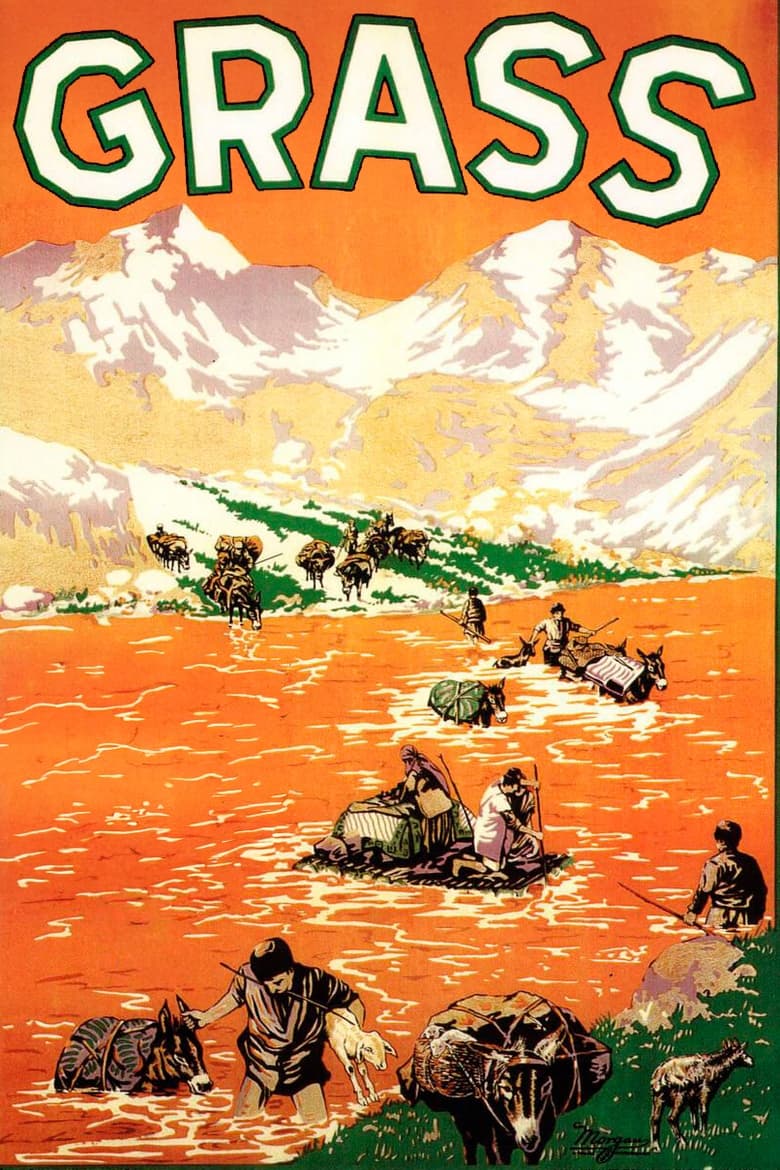
'Grass: A Nation's Battle for Life' is a landmark in documentary filmmaking. Directed by Merian C. Cooper and Ernest B. Schoedsack, this film chronicles the epic migration of the Bakhtiari people of Iran. The filmmakers' commitment to authenticity and their groundbreaking use of natural landscapes as a narrative element set a high bar for future documentaries. The film's stunning cinematography and compelling storytelling are why it remains a favorite among collectors.
Collector's Notes
For collectors, 'Grass' is a treasure trove due to its historical significance and pioneering spirit. It represents an early attempt to capture reality on film, making it a must-have for those interested in the evolution of documentaries. Its influence can be seen in countless films that followed, particularly those focusing on human perseverance against nature's challenges.
Why It Still Works
This documentary is a compelling visual record of Captain Scott's ill-fated journey to the South Pole. Directed by Herbert Ponting, the film uses original footage shot during the expedition, offering a haunting glimpse into the harsh realities faced by the explorers. The stark beauty of the Antarctic landscape is captured with breathtaking clarity, making it a poignant tribute to human endurance.
Collector's Notes
'Collectors prize 'The Great White Silence' not only for its historical importance but also for its artistic merit. The film is a poignant reminder of the early 20th-century spirit of exploration, and owning a copy is like holding a piece of history. As one of the earliest examples of expedition filmmaking, it stands as a testament to the courage and tenacity of those who dared to venture into the unknown.
Why It Still Works
'Chang' is another collaboration between Merian C. Cooper and Ernest B. Schoedsack, and it serves as an early exploration of the man-versus-nature theme. Set in the jungles of Siam (modern-day Thailand), the film blends documentary and drama to depict the struggle of a family against the wild. The filmmakers' innovative use of location shooting and real animals adds a layer of authenticity that captivates viewers.
Collector's Notes
For collectors, 'Chang' represents a fascinating blend of documentary and narrative storytelling. Its influence can be seen in subsequent films that explore similar themes. Owning a copy is like owning a piece of cinema history, as it showcases the early efforts to bridge factual storytelling with dramatization, paving the way for future hybrid genres.
Why It Still Works
While 'The Lost World' is primarily known as a fantasy adventure film, its inclusion of real locations and animals gives it a documentary-like quality. Directed by Harry O. Hoyt, the film was groundbreaking in its use of stop-motion animation and live-action footage, which makes it a fascinating study for fans of film history.
Collector's Notes
Collectors value 'The Lost World' not only for its narrative but for its technical achievements. It was one of the first films to bring dinosaurs and other prehistoric creatures to life on the big screen, influencing countless films in the decades that followed. While not a traditional documentary, its innovative techniques and adventurous spirit make it a significant piece for any collection.
Why It Still Works
Directed by Robert J. Flaherty, 'Moana' is a docufiction film that explores the lives of the Samoan people. Flaherty, known for 'Nanook of the North,' employs a similar ethnographic approach, blending documentary footage with staged scenes to create a narrative that is both informative and engaging.
Collector's Notes
'Collectors appreciate 'Moana' for its pioneering role in the genre of docufiction, where real-life documentary footage is interwoven with fictional storytelling. This approach laid the groundwork for future documentaries that aim to educate while entertaining. Owning 'Moana' is like holding a piece of cinematic evolution, showcasing Flaherty's ability to capture the essence of a culture with respect and artistry.
Why It Still Works
'Mount Everest' is a remarkable documentary that captures the 1924 British expedition to the world's highest peak. The film offers breathtaking footage of the Himalayas and provides a rare glimpse into the challenges faced by early mountaineers. Its stunning visuals and adventurous spirit continue to inspire viewers.
Collector's Notes
For collectors, 'Mount Everest' is a valuable addition due to its rarity and historical importance. It represents one of the earliest attempts to document high-altitude exploration, making it a significant piece for those interested in the history of adventure filmmaking. This documentary is not just a film; it's a testament to human curiosity and perseverance.
Why It Still Works
'Benin' is an ethnographic documentary that offers a glimpse into the culture and traditions of the people of Benin, West Africa. The film is notable for its authentic representation of the community, showcasing daily life and rituals with sensitivity and respect.
Collector's Notes
Collectors find 'Benin' appealing due to its cultural significance and its role in early ethnographic filmmaking. It provides insights into a world that was largely unknown to Western audiences at the time, making it a fascinating artifact for those interested in cultural studies and the history of documentary filmmaking. Owning 'Benin' is like having a window into the past, preserving the visual history of a vibrant culture.
Why It Still Works
'The Far East' is a travel documentary that takes viewers on a journey through various countries in Asia. The film captures the diverse landscapes and cultures of the region, offering Western audiences a rare glimpse into a part of the world that was still largely mysterious to them.
Collector's Notes
For collectors, 'The Far East' is a valuable piece due to its role in broadening the scope of documentary films. It represents an early attempt to introduce Western audiences to the diversity and richness of Asian cultures. The film's ability to transport viewers to distant lands makes it a cherished addition for those with a passion for travel and exploration.
Why It Still Works
'The Black Hills' is a documentary that explores the natural beauty and history of the Black Hills region in the United States. The film captures the stunning landscapes and provides insights into the area's significance to Native American tribes.
Collector's Notes
Collectors value 'The Black Hills' for its portrayal of American landscapes and its respectful acknowledgment of Native American heritage. The film serves as an important historical document, preserving the natural beauty and cultural significance of the region. It's a must-have for those interested in the intersection of nature and history in documentary filmmaking.
Why It Still Works
'The Ocean' is a documentary that delves into the mysteries of the sea, exploring marine life and the vastness of the oceanic environment. The film's pioneering underwater photography offers viewers a mesmerizing look at life beneath the waves.
Collector's Notes
For collectors, 'The Ocean' is a prized possession due to its early use of underwater filmmaking techniques. It captures the wonder and beauty of the ocean, inspiring future generations of filmmakers to explore the depths of the sea. Owning 'The Ocean' is like owning a piece of cinematic innovation, highlighting the filmmakers' adventurous spirit and love for the natural world.
Celebrating the Roots of Documentary Filmmaking
The documentaries of 1925 offer a fascinating look at the early days of non-fiction cinema, capturing a world on the brink of modernity. These films not only showcase the innovative techniques and storytelling methods of their time, but they also preserve the cultural and historical landscapes of the era. For collectors, these documentaries are more than just films; they are windows into a bygone world, filled with adventure, exploration, and discovery. As you explore these top 10 documentaries, consider how they paved the way for the genre and continue to influence filmmakers today. Whether you're a seasoned collector or a casual viewer, these films offer something for everyone — a chance to witness the birth of documentary cinema and appreciate its lasting impact.