Top 10 Documentary Movies of 1926
Top 10 Documentary Movies of 1926
Discover the Documentaries of 1926
The year 1926 marked a captivating era for cinema, particularly in the burgeoning genre of documentary films. In a time when silent films dominated the screens and the early stages of sound experimentation were just beginning, documentaries carved out a unique niche. They explored real-world stories with an authenticity that captivated audiences, highlighting social issues, travelogues, or unique aspects of human culture. These films offered a window into different facets of life during the Roaring Twenties, a period characterized by significant social change and cultural dynamism. For collectors and enthusiasts, the documentaries of 1926 represent a treasure trove of historical and cultural insights, each film serving as a time capsule that allows us to glimpse into the past. Below is a list of the top 10 documentaries from 1926 that you should seek out for their historical significance and enduring appeal.
Why It Still Works
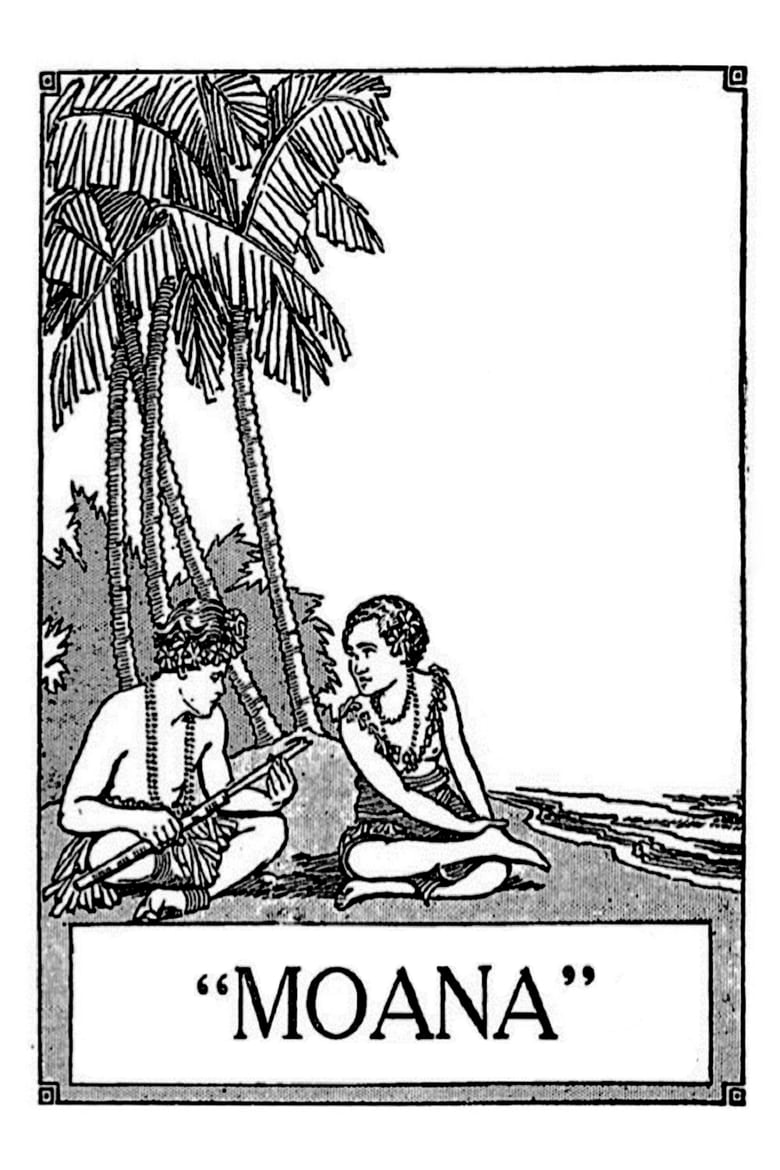
'Moana' stands at the pinnacle of documentary films from 1926, directed by Robert J. Flaherty, who is often credited as one of the pioneers of the documentary form. Following his success with 'Nanook of the North,' Flaherty turned his lens to the South Pacific in this ethnographic study of a Samoan family. The film captures the daily life and customs of the Polynesian people with a respectful and artistic approach that was groundbreaking for its time. Flaherty's ability to blend documentary realism with narrative storytelling set a precedent for future documentary filmmakers. His technique of staging scenarios to enhance narrative flow has been a topic of much discussion and analysis in film studies, often blurring the lines between fact and fiction in a way that enriches the viewer's experience.
For collectors, 'Moana' is a quintessential piece that exemplifies early documentary filmmaking and offers insight into Flaherty's influential style. The film is not only a document of the lives and traditions of the Samoan people but also a reflection of Flaherty's vision of cinema as a tool for cultural preservation and storytelling. Its significance is underscored by its inclusion in various film archives and retrospectives, making it a valuable asset for anyone interested in the origins and evolution of documentary cinema.
A Glimpse into German Life
'Potsdam, Deutschland' is a fascinating documentary that provides a window into German life and culture during the Weimar Republic. This film is particularly valuable for its portrayal of Potsdam's architectural grandeur and natural beauty, making it a visual feast for history buffs and architecture enthusiasts alike. The film captures the spirit of an era when Germany was at a crossroads, dealing with the aftermath of World War I while on the brink of the seismic changes that would lead to World War II.
Collectors will find this film noteworthy for its depiction of Germany during a transformative period. It captures the essence of the nation's cultural and social environment between the World Wars, providing insights into the everyday lives of people, the political atmosphere, and the rich cultural tapestry that characterized the Weimar Republic. This documentary serves as an essential historical document, offering a rare glimpse into a world that was soon to be dramatically altered.
Maritime Adventures
'The Sea Beast' offers a unique documentary-style look at maritime life, focusing on the adventures and perils faced by sailors. While primarily a feature film, it incorporates documentary elements that provide a realistic portrayal of life at sea. This hybrid approach makes the film an intriguing piece for collectors interested in the blending of narrative and documentary forms. Its depiction of the sea as a living, breathing character adds to its allure, making it a must-have for fans of maritime history and early cinema.
The film's realistic portrayal of the sea and the life of sailors is enhanced by its use of location shooting and authentic nautical details. This approach provides viewers with a visceral sense of the ocean's power and the challenges faced by those who make their living on it. 'The Sea Beast' stands as a testament to the enduring appeal of maritime stories and the universal themes of adventure, danger, and survival that they embody.
Historical Significance
'The Russian Revolution' is an essential documentary for understanding the seismic political shifts that occurred in Russia during the early 20th century. This film provides a comprehensive look at the events leading up to and following the revolution, featuring rare footage and insightful commentary. For collectors, it is a vital historical document that offers an unfiltered look at one of the most important events of the 20th century, making it a cornerstone for anyone interested in political history and documentary filmmaking.
The film's significance lies in its ability to capture the tumultuous energy and raw emotions of a society in upheaval. It provides a narrative that is both educational and compelling, with a focus on the individuals and movements that shaped the course of Russian history. The use of real footage from the era, combined with contemporary analysis, makes it an invaluable resource for historians and film enthusiasts alike.
Capturing Cultural Essence
Although technically not released until later, 'Araya' was filmed in 1926, capturing the lives of salt farmers in Venezuela. Its meticulous attention to the laborious process of salt extraction showcases the resilience and tenacity of the workers. The film's poetic visuals and profound storytelling make it a standout piece for collectors interested in cultural documentaries. 'Araya' is celebrated for its ability to convey the beauty and hardship of daily life, making it a timeless piece of documentary cinema.
The film's strength lies in its ability to transform the mundane into the extraordinary. Through careful attention to detail and a deep respect for its subjects, 'Araya' transcends its role as a mere documentary, becoming a poignant meditation on human endurance and the relationship between people and their environment. Its visual style and narrative structure have influenced numerous filmmakers, making it a seminal work in the history of documentary cinema.
Revolutionary Cinema
Although primarily recognized as a fictional film, 'The Battleship Potemkin' is celebrated for its documentary-like depiction of the 1905 Russian Revolution. Directed by Sergei Eisenstein, the film is renowned for its innovative use of montage and its powerful visual storytelling. Collectors will appreciate its historical significance and its influence on both narrative and documentary filmmaking. This film is a testament to the power of cinema in shaping historical narratives and remains a must-see for enthusiasts of classic cinema.
Eisenstein's mastery of montage technique in 'The Battleship Potemkin' has been extensively studied and emulated, demonstrating the film's lasting impact on the art of filmmaking. The iconic "Odessa Steps" sequence, in particular, has been analyzed for its emotional intensity and technical brilliance, illustrating how film can be used to evoke powerful responses and convey complex political messages. This film's enduring legacy is a testament to its innovative approach and its ability to transcend the boundaries of traditional storytelling.
Epic Storytelling
Cecil B. DeMille's 'The Ten Commandments' is a film that, while primarily a feature, incorporates documentary elements through its detailed recreation of biblical times. This approach gives the film an educational aspect that complements its entertainment value. Collectors will find this film noteworthy for its ambitious scope and its innovative blend of narrative and documentary techniques. Its grand scale and historical themes make it an essential addition to any collection of early cinematic achievements.
The film's epic storytelling is enhanced by its attention to historical detail and its use of groundbreaking special effects, which were revolutionary for their time. DeMille's vision of recreating the biblical era with authenticity and grandeur set a new standard for epic filmmaking. The film's success demonstrated the potential of cinema to educate and entertain simultaneously, paving the way for future historical and epic films.
Ethnographic Exploration
'Grass: A Nation's Battle for Life' is an ethnographic documentary that follows the Bakhtiari tribe of Persia as they undertake their arduous annual migration. The film is remarkable for its immersive portrayal of human endurance and adaptation to nature's challenges. For collectors, this documentary offers an invaluable glimpse into a way of life that has largely disappeared, making it a significant piece of cultural anthropology and early documentary history.
The filmmakers, Merian C. Cooper and Ernest B. Schoedsack, who later created 'King Kong,' bring a sense of adventure and discovery to 'Grass,' capturing the epic scale of the Bakhtiari migration. The film's stunning visuals and gripping narrative highlight the resilience of the human spirit in the face of formidable obstacles. It remains a powerful example of how documentaries can illuminate the complexities of human societies and their interactions with the natural world.
Polar Exploration
'The Great White Silence' documents Captain Scott's ill-fated Antarctic expedition, capturing the stark beauty and desolation of the polar landscape. The film combines stunning cinematography with a poignant narrative, making it a compelling watch. Collectors will appreciate its historical significance and its role in documenting one of the most dramatic exploration stories of the early 20th century. The film's preservation of this monumental expedition makes it an essential piece for those interested in exploration and adventure documentaries.
Herbert Ponting's work on 'The Great White Silence' is a testament to his skill as a cinematographer and storyteller. The film's haunting images of the Antarctic landscape and its depiction of the explorers' struggle against the elements create a powerful narrative of courage and endurance. It serves as a reminder of the human spirit's capacity for exploration and the enduring allure of the unknown.
Wilderness and Survival
Created by the team behind 'King Kong,' 'Chang: A Drama of the Wilderness' is a dramatic documentary that explores the life of a farming family in the jungles of Siam (now Thailand). The film's immersive depiction of the challenges faced by the family, including encounters with wild animals, provides an authentic look at survival in the wilderness. For collectors, 'Chang' is a fascinating blend of drama and documentary, offering both entertainment and insight into a way of life that resonates with themes of human resilience and nature's unpredictability.
The film's innovative use of real locations and its focus on the interaction between humans and their environment set it apart as a pioneering work in the genre. Its exploration of the delicate balance between survival and the forces of nature continues to inspire filmmakers and audiences alike, highlighting the universal themes of struggle, adaptation, and harmony with nature.
A Journey Through Time
Exploring the documentary films of 1926 provides not only a glimpse into the cinematic innovations of the era but also a deeper understanding of the cultural and social landscapes of the time. Each film on this list offers a unique perspective, capturing the essence of human experience and the world around us. For collectors and enthusiasts, these documentaries serve as invaluable resources, preserving the sights, sounds, and stories of a bygone era. They reveal the foundational elements of documentary filmmaking and the lasting impact these works continue to have on the genre.
As you delve into these films, you'll uncover the rich tapestry of human history and the pioneering spirit of early filmmakers who dared to explore new territories, both geographically and artistically. Whether you're a dedicated collector or a casual viewer, these films are a testament to the enduring power of documentary cinema. They remind us of the importance of preserving our cultural heritage and the role of film in shaping our understanding of the past, present, and future.