Top 10 Documentary Movies of the 1930s
Top 10 Documentary Movies of the 1930s
Exploring the Documentary Gems of the 1930s
The 1930s was a fascinating decade for cinema, marked by innovation and experimentation. While Hollywood was dazzling audiences with the glamour of the silver screen, documentary filmmakers were delving into real-world stories, capturing the essence of human experience during a time of great social and political change. This era saw the creation of some of the most compelling documentaries that continue to resonate with audiences today. From explorations of cultures and nature to social commentaries, these films provide invaluable insights into the world as it was nearly a century ago. Whether you're a seasoned collector or a casual viewer, these documentaries are essential viewing for anyone interested in the history of film and the power of non-fiction storytelling.
Why It Still Resonates
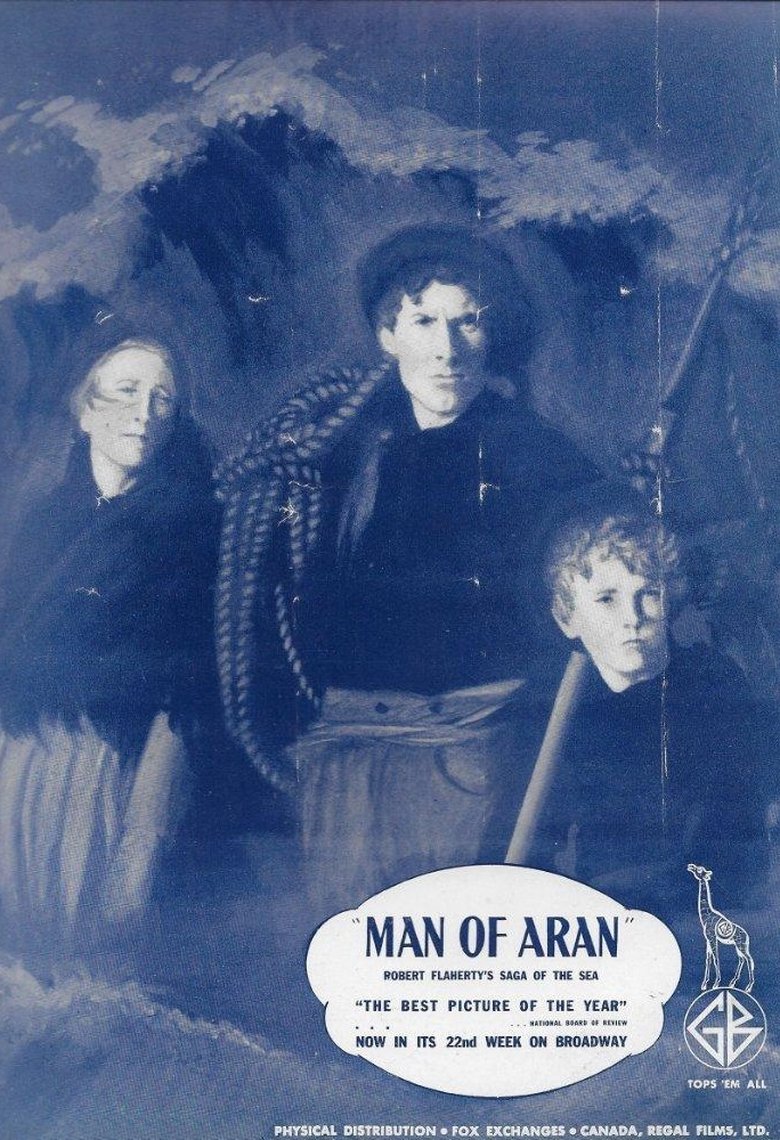
"Man of Aran" is a masterpiece of documentary filmmaking by Robert J. Flaherty, who is often credited as one of the pioneers of the genre. This film depicts the challenging life of the inhabitants of the Aran Islands off the west coast of Ireland. Flaherty's work is celebrated for its blend of documentary and docudrama, capturing the raw beauty and harshness of island life.
Collector's Notes
For collectors, "Man of Aran" represents a significant piece of film history. Its innovative techniques, such as the re-enactment of traditional activities like shark hunting, showcase Flaherty's commitment to immersive storytelling. The film's authenticity and the director's dedication to capturing the essence of the Aran community make it a prized addition to any collection focused on the evolution of documentary cinema.
Controversial Yet Influential
Directed by Leni Riefenstahl, "Triumph of the Will" is a documentary of the 1934 Nazi Party Congress in Nuremberg. Despite its controversial nature due to its propaganda content, the film is often studied for its groundbreaking cinematic techniques and its significant impact on the genre.
Collector's Insights
For collectors, this film is both a historical artifact and a technical marvel. Its influence on documentary filmmaking is undeniable, with techniques like sweeping camera movements and innovative editing that have been mimicked in countless films since. Owning a copy of "Triumph of the Will" is essential for those interested in the intersection of film art and political history.
A Poetic Exploration
Pare Lorentz’s "The Plow That Broke the Plains" is a government-sponsored film that explores the ecological and economic disaster of the Dust Bowl. Its use of music and narration to convey the story was innovative at the time and it remains a powerful visual poem about the consequences of man’s manipulation of the land.
Collector's Value
Film enthusiasts and collectors treasure this documentary not just for its historical significance but for its artistic merit. Lorentz's combination of documentary realism with a strong narrative voice makes it a unique artifact from the 1930s. Its influence on environmental documentaries is still felt, making it a must-have for collectors interested in films with a social conscience.
The Rhythm of Industry
"Night Mail" is a short film that documents the delivery of mail by train from London to Scotland. Directed by Harry Watt and Basil Wright, it is especially noted for its rhythmic narration and score, composed by Benjamin Britten, which matches the train's motion.
Why Collectors Love It
Collectors adore "Night Mail" for its innovative use of sound and rhythm, which was groundbreaking at the time. This film is a testament to the creative potential of documentary filmmaking, influencing future filmmakers in how they approached sound design and narrative structure. Its place in the British Documentary Movement makes it a vital piece for any collection focusing on pivotal moments in film history.
A Tribute to America’s Waterways
Another of Pare Lorentz’s influential documentaries, "The River" examines the Mississippi River and its impact on American life. The film is celebrated for its stunning cinematography and narrative, which underscores the importance of the river in shaping the nation's economy and environment.
Collector's Perspective
For collectors, "The River" offers an unparalleled look at the merging of environmental documentary and art. Lorentz’s poetic narration combined with Virgil Thomson’s musical score creates a moving portrait of American life and the natural world. This documentary is essential for those interested in the roots of environmental filmmaking and its impact on public policy.
A Humanist Perspective
"The Spanish Earth," directed by Joris Ivens and narrated by Ernest Hemingway, provides a poignant look at the Spanish Civil War. The film combines striking images of the Spanish landscape with scenes of resilience and struggle, offering a deeply humanistic view of war.
Why It's a Collector's Gem
This documentary is a testament to the power of film as a tool for social change. Collectors value "The Spanish Earth" for its historical importance and its role in shaping public opinion about international conflicts. The collaboration with Hemingway adds literary significance, making it a prized piece for those interested in the intersection of film and literature.
A Journey with Nomads
Directed by Merian C. Cooper and Ernest B. Schoedsack, "Grass: A Nation's Battle for Life" documents the migration of the Bakhtiari tribe in Iran. The film is an early example of ethnographic documentary, capturing the rigors of the tribe's journey to find new pastures.
Significance for Collectors
Collectors treasure "Grass" for its pioneering approach to ethnographic storytelling. The film's impressive cinematography and the filmmakers’ commitment to capturing authentic cultural practices make it a cornerstone in the study of documentary filmmaking. It is a significant piece for any collection focusing on cultural and geographical exploration.
Celebrating Athleticism
Leni Riefenstahl’s "Olympia" documents the 1936 Berlin Olympics and is renowned for its artistic and technical achievements. The film captures the grace and power of athletes, employing innovative camera angles and slow-motion shots that highlight the beauty of sport.
A Must-Have for Collectors
Despite its controversial context, "Olympia" is a milestone in sports documentaries. Collectors value it for its pioneering techniques and its role in shaping the visual narrative of sports. The film's aesthetic and technical achievements provide a fascinating study in the evolution of documentary filmmaking, making it a valuable addition to any serious collection.
Surrealism Meets Reality
Directed by Luis Buñuel, "Land Without Bread" ("Las Hurdes: Tierra Sin Pan") is a surrealist documentary that examines the harsh living conditions in a remote Spanish region. Buñuel’s critical eye and unflinching portrayal of poverty make it a striking commentary on social realities.
Why Collectors Prize It
Collectors are drawn to "Land Without Bread" for its bold narrative style and its place in the surrealist movement. The juxtaposition of documentary realism with surrealist elements offers a unique viewing experience. This film is an essential piece for those interested in the intersection of art and social commentary in cinema.
Urban Planning on Film
Directed by Ralph Steiner and Willard Van Dyke, "The City" is a documentary that examines the challenges of urban living and the promise of planned communities. The film was made for the 1939 New York World’s Fair and is notable for its optimistic vision of urban development.
Importance for Collectors
"The City" is a fascinating artifact of its time, reflecting contemporary attitudes towards urbanization and planning. Collectors appreciate its historical significance and the way it captures the zeitgeist of the late 1930s. The film’s creative use of narration and music makes it an important study in documentary storytelling and a valuable addition to collections focused on social and architectural history.
Reflecting on the Past
The 1930s were a transformative period in documentary filmmaking, laying the foundation for many of the techniques and themes we see in the genre today. These films not only provide a window into the past but also highlight the enduring power of documentaries to inform and inspire. For collectors, each film on this list offers a unique glimpse into the world of the 1930s, capturing the social, political, and cultural dynamics of the era. Whether you're interested in the pioneering spirit of filmmakers like Robert Flaherty or the artistic innovations of Leni Riefenstahl, these documentaries are essential pieces of cinema history. As you explore these films, you'll discover the timeless nature of storytelling through the lens of reality and the impact these narratives continue to have on audiences today.