Top 10 Documentary Movies of 1934
Top 10 Documentary Movies of 1934
Exploring the Documentaries of 1934
In the early 1930s, the world of cinema was rapidly evolving, and documentaries were carving out a unique place in the film industry. 1934 was a remarkable year in this evolution, as filmmakers explored new techniques and storytelling methods to captivate audiences. These documentaries didn't just document reality; they were crafted with an artistic vision that transcended mere reportage. From the intricate study of human and natural worlds to the exploration of cultural phenomena, the documentaries of 1934 laid the groundwork for what the genre would become in the future. Collectors and enthusiasts revel in these films not only for their historical significance but also for their innovative approaches to storytelling and visual representation. Let's dive into the top ten documentaries of this pivotal year and discover what makes each one a treasured piece of cinematic history.
Why It Still Works
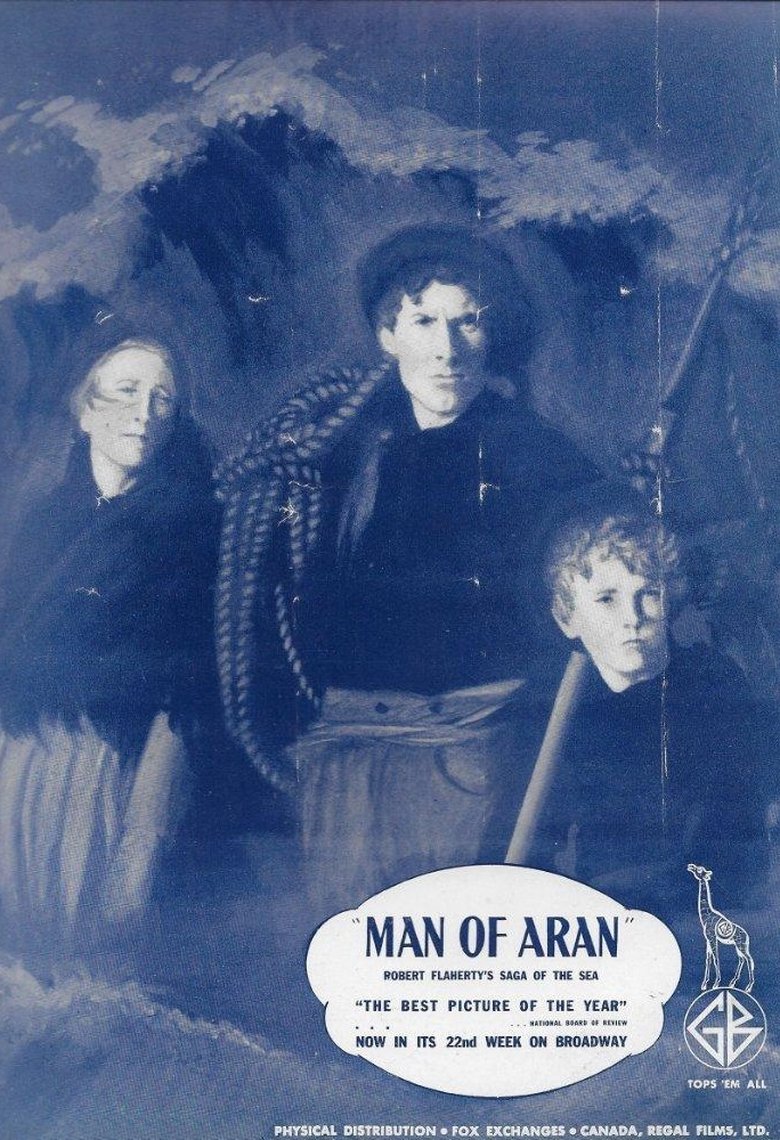
"Man of Aran," directed by Robert J. Flaherty, is a seminal work in the world of documentary filmmaking. Flaherty, often hailed as the father of the documentary, skillfully combines elements of narrative cinema with observational footage to create a vivid portrayal of life on the Aran Islands. The film captures the harsh realities faced by its inhabitants, showcasing their resilience and connection to the sea.
Collector's Notes
For collectors, "Man of Aran" is a must-have due to its pioneering techniques and its influence on the documentary genre. The film's aesthetic choices and its blend of fiction and non-fiction elements were groundbreaking at the time, offering a template for future documentaries. It remains a pivotal piece in understanding the evolution of documentary storytelling.
Why It Still Works
"Song of Ceylon," directed by Basil Wright, stands out for its innovative use of sound and visual narrative to depict the life and culture of Ceylon (now Sri Lanka). The film is celebrated for its poetic approach to documentary filmmaking, contrasting traditional life with the encroachment of modern commercialism.
Collector's Notes
Collectors prize "Song of Ceylon" for its artistic merit and its role in the Empire Marketing Board Film Unit's history. The film's beautiful cinematography and groundbreaking sound techniques make it a significant acquisition for anyone interested in early sound documentaries and cultural studies.
Why It Still Works
Directed by Pare Lorentz, "The Plow That Broke the Plains" is a poignant depiction of the Great Plains during the Dust Bowl. The film's narrative focuses on the ecological disaster caused by poor agricultural practices, making it an early example of environmental documentary.
Collector's Notes
This documentary is essential for collectors interested in socio-political issues and environmental history. Its compelling musical score and Lorentz's use of cinematic techniques to advocate for change were ahead of their time, making it a landmark film in advocacy cinema.
Why It Still Works
While "Kameradschaft" is technically from 1931, its influence carried well into the mid-1930s, especially among documentary circles. Directed by G. W. Pabst, this film is renowned for its realistic depiction of a mining disaster and the solidarity between French and German miners.
Collector's Notes
Collectors value "Kameradschaft" for its powerful narrative and historical significance. The film's exploration of international solidarity and its realistic style were influential in documentary filmmaking, making it a critical piece for collectors of early cinema and political films.
Why It Still Works
"The Private Life of a Gannet," directed by Julian Huxley, is an early example of a nature documentary. This short film offers an intimate look at the life of the gannet bird, utilizing groundbreaking cinematography to capture their behavior.
Collector's Notes
For collectors, this film is significant due to its pioneering nature documentary status. Huxley's work paved the way for future wildlife filmmakers, and its educational value combined with its artistic execution makes it a prized possession for natural history enthusiasts.
Why It Still Works
"Industrial Britain," directed by Robert J. Flaherty, offers a fascinating glimpse into the industrial landscape of Britain. This film explores the craftsmanship and industrial prowess that defined early 20th-century Britain.
Collector's Notes
Collectors appreciate "Industrial Britain" for its historical insights and Flaherty's directorial influence. The film is a valuable artifact, capturing the zeitgeist of a nation on the edge of modern industrialization, with Flaherty's artistic touch making it a standout piece.
Why It Still Works
Directed by Ralph Steiner and Willard Van Dyke, "The Sea" is an evocative documentary that captures the power and majesty of the ocean. Its poetic visuals and sound design convey the beauty and mystery of the sea.
Collector's Notes
For collectors, "The Sea" is a testament to the early exploration of sound and image synergy in documentaries. Its artistic portrayal of the ocean makes it a unique addition to collections focusing on environmental and natural themes, showcasing the early potential of the documentary form.
Why It Still Works
"The River," directed by Pare Lorentz, is another of his influential projects focusing on environmental themes. This film highlights the Mississippi River and the impact of human intervention on its ecosystems.
Collector's Notes
Collectors treasure "The River" for its historical and cinematic significance. As part of Lorentz’s environmental trilogy, it represents an innovative use of film for advocacy and education, capturing the intersection of nature and human impact with striking imagery and narrative.
Why It Still Works
"Rhapsody in Steel," directed by Carl Dudley, is a short film celebrating the process of manufacturing steel. The film takes an industrial subject and presents it with a creative and artistic flair, making the mundane mesmerizing.
Collector's Notes
For collectors, this film is significant for its artistic approach to an industrial subject. Its unique perspective and aesthetic presentation make it a fascinating piece for those interested in industrial histories and the artistic potential of documentary filmmaking.
Why It Still Works
While "Bitter Rice" is a feature film from 1949, it has documentary-like qualities that resonate with the style of 1934 documentaries. Directed by Giuseppe De Santis, it explores the lives of rice field workers in Italy, blending neorealism with dramatic narrative.
Collector's Notes
Collectors appreciate "Bitter Rice" for its authentic portrayal of working-class struggles and its blend of documentary realism with narrative cinema. Its inclusion serves as a nod to the evolving styles that would eventually shape documentary filmmaking, making it a valuable addition for those interested in film history and neorealism.
Why These Films Matter
The documentaries of 1934 provide a window into the past, showcasing the innovative spirit and storytelling prowess of early filmmakers. Each film on this list offers something unique, whether it's a pioneering technique, a compelling narrative, or an artistic vision that transcends time. For collectors, these films are not just historical artifacts but vital pieces of the cinematic puzzle that shaped the documentary genre as we know it today. By preserving and appreciating these works, we maintain a connection to the past, ensuring that future generations can learn from and be inspired by the cinematic pioneers of 1934. So, whether you're a seasoned collector or a curious newcomer, these documentaries are essential viewing for anyone interested in the rich tapestry of film history.