Top 10 Documentary Movies of 1940
Top 10 Documentary Movies of 1940
Exploring the Documentaries of 1940
The year 1940 was a pivotal moment in history, capturing the world on the brink of and entering into WWII. Documentaries from this era not only provided news and education but also served as a powerful tool for propaganda and cultural preservation. As the world grappled with war, filmmakers turned to documentaries to narrate events with stark realism and poignant storytelling. Collectors today treasure these films not only for their historical significance but also for their unique perspectives and pioneering techniques. Join us as we delve into the top 10 documentary films of 1940, each offering a window into the past and a testament to the power of film as a historical document.
Why It Still Resonates
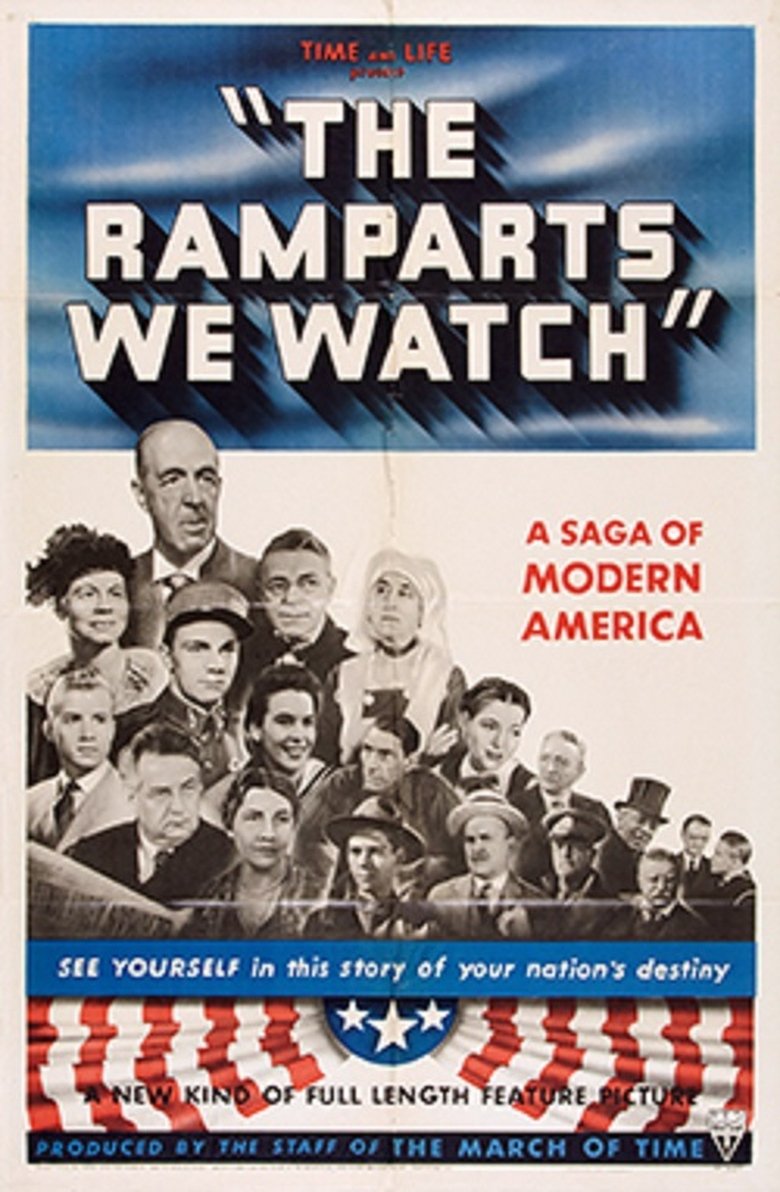
"The Ramparts We Watch" stands out as an innovative blend of documentary and dramatic reenactment. Directed by Louis de Rochemont, it effectively captures the American home front just before the U.S. entered World War II. The film uses authentic newsreel footage interwoven with staged scenes to provide a comprehensive narrative of the era.
Collector's Notes
For collectors, this film is a gem due to its unique narrative style and its role in shaping the docudrama genre. Its historical context adds significant value, making it a must-have for enthusiasts interested in wartime cinema and early narrative experimentation.
Why It Matters
Directed by Pare Lorentz, known for his impactful New Deal documentaries, "The Fight for Life" explores the challenges of healthcare and childbirth in urban America. It combines documentary footage with fictional elements to highlight the efforts of doctors and nurses.
Collector's Notes
This film is particularly valuable for collectors due to its semi-documentary style and its critical social message. It offers insight into public health issues of the time, a topic that remains relevant. Its production by the United States Film Service adds to its historical importance.
Why It Captivates
Although released in 1939, "The City" continued to make waves in 1940. This documentary was produced for the 1939 New York World's Fair and reflects urban planning ideals of the late 1930s. It criticizes industrial cities and proposes a vision of suburban utopia.
Collector's Notes
Collectors prize this film for its significant cultural commentary and its collaboration between filmmakers Ralph Steiner and Willard Van Dyke. Its musical score by Aaron Copland enhances its historical and artistic value. The film remains a fascinating study of urban evolution.
Why It Endures
Directed by Herbert Kline and narrated by Burgess Meredith, "The Forgotten Village" provides a poignant look at rural life in Mexico, focusing on the clash between traditional ways and modernity. Its release in 1941 doesn't detract from its relevance to 1940's documentary scene.
Collector's Notes
For collectors, its value lies in its anthropological focus and its collaboration with renowned writer John Steinbeck. The film’s exploration of cultural change and its cinematic style make it an essential piece for those interested in ethnographic cinema.
Why It's Significant
"London Can Take It!" is a British propaganda short film that documents the resilience of Londoners during the Blitz. Narrated by American journalist Quentin Reynolds, it was aimed at garnering U.S. support for Britain during WWII.
Collector's Notes
This film is a prized collector’s item as it represents a crucial piece of wartime propaganda. Its powerful narrative and footage of the Blitz make it an important historical record. Additionally, its role in shaping international perceptions of the war adds to its significance.
Why It Resonates
Though released in 1938, "The March of Time: Inside Nazi Germany" remained pertinent through 1940. This documentary series offered an early, stark look at Nazi Germany, providing insights that were rare at the time.
Collector's Notes
Collectors value this film for its groundbreaking nature and historical context. Its inclusion of rare footage from within Nazi Germany makes it an invaluable resource for understanding the pre-war atmosphere. The film is a testament to the power of documentary as a tool for awareness and education.
Why It Matters
"Churchill's Island" is a Canadian documentary that won the first Academy Award for Best Documentary (Short Subject). It covers the Battle of Britain and highlights the strategic importance of British naval and air defenses.
Collector's Notes
This film is significant for collectors due to its status as the inaugural Oscar winner in its category. Its depiction of military strategy and its role in boosting Allied morale make it a valuable piece of wartime cinema. The film's historical and cinematic achievements contribute to its enduring legacy.
Why It's Important
"The Front Line" captures the harsh realities faced by soldiers during wartime. The film provides a raw and unvarnished look at life on the front lines, focusing on the human experience amidst conflict.
Collector's Notes
Collectors appreciate this film for its unflinching portrayal of war. Its historical authenticity and direct approach offer an immersive experience into the realities of military life during a turbulent time. The film's candidness and emotional depth make it a compelling addition to any collection.
Why It Captivates
Although released in 1944, "The Fighting Lady" is a World War II documentary that chronicles the operations of an aircraft carrier. Its use of color footage was groundbreaking at the time.
Collector's Notes
Collectors find this film compelling due to its innovative use of color and its detailed depiction of naval warfare. The film's authentic portrayal of life aboard a carrier during WWII offers valuable insights into the period’s military operations. Its historical importance and cinematic innovation make it a noteworthy addition to collections focused on wartime narratives.
Why It's Relevant
"Crisis," produced by the March of Time, examines the political tensions in Europe leading up to World War II. It provides a comprehensive overview of the events that precipitated the conflict.
Collector's Notes
This film is important for collectors due to its incisive analysis of pre-war Europe. Its ability to convey complex political situations in an accessible manner is notable. The film serves as a historical document of the era, offering insights into the geopolitical landscape that shaped WWII. Its educational value and historical context make it a prized possession for enthusiasts of political documentary cinema.
Reflecting on 1940's Documentaries
The documentaries of 1940 provide a fascinating glimpse into a world at a crossroads. As we've explored, these films are not just historical records but also pioneering works that pushed the boundaries of storytelling and filmmaking. Collectors and movie enthusiasts alike cherish these films for their authentic portrayal of life and the challenges of the time. Each documentary offers a unique perspective, capturing the essence of an era marked by conflict and change. Whether you're a history buff or a cinephile, these films are invaluable additions to any collection, preserving the past for future generations to learn from and appreciate. Dive into these cinematic treasures and experience the compelling narratives that continue to resonate today.