Top 10 Documentary Movies of the 1940s
Top 10 Documentary Movies of the 1940s
Exploring the Best Documentaries of the 1940s
The 1940s was a pivotal decade for documentary filmmaking, heavily influenced by global events such as World War II. Filmmakers used the medium to inform, persuade, and capture the realities of the time. Documentaries from this era not only documented history as it unfolded but also pioneered techniques that have since become staples of the genre. These films offer a fascinating glimpse into the past and are cherished by collectors for their historical value and technical achievements. Whether you're a seasoned documentary enthusiast or new to the genre, these films from the 1940s are essential viewing.
Why It Still Resonates
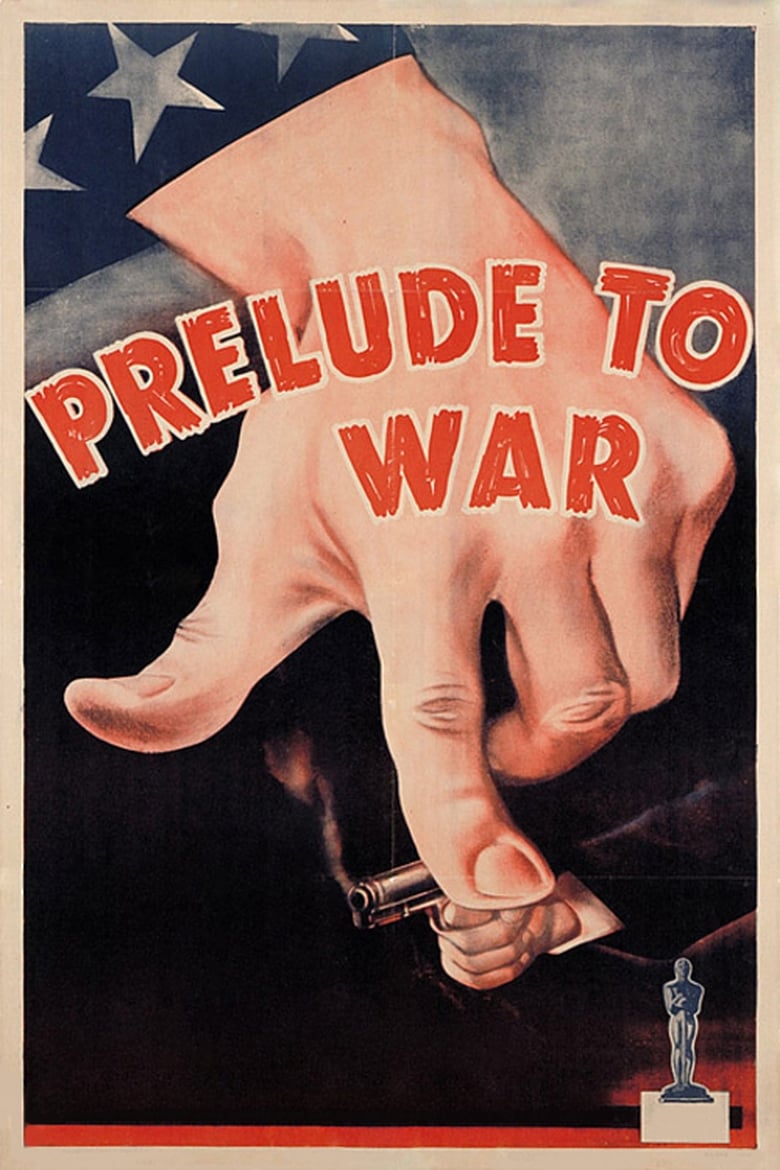
Frank Capra's Why We Fight: Prelude to War is the first in a series of seven propaganda films commissioned by the United States government during World War II. This film set the standard for wartime documentaries with its powerful narrative and innovative use of archival footage. It skillfully blends education and persuasion, making it a compelling watch even today.
Collector's Notes
Collectors prize this film not only for its historical importance but also for its pioneering techniques. The use of animation to explain complex geopolitical concepts was groundbreaking at the time. Owning a copy of this film offers a unique insight into the American psyche during the early years of the war.
A Haunting Reflection
Although technically released in the 1950s, Alain Resnais' Night and Fog is often included in discussions of 1940s documentaries due to its subject matter—concentration camps during World War II. The film is renowned for its stark juxtaposition of color and black-and-white footage, creating a haunting reflection on the Holocaust's horrors.
Collector's Notes
This film is a cornerstone for any serious documentary collector. Its historical significance and artistic merit make it a must-have. The film's raw and unflinching portrayal of its subject matter has left a lasting impact on audiences and filmmakers alike.
Capturing the Brutality of War
Directed by John Huston, The Battle of San Pietro provides an unvarnished look at one of World War II's critical battles. Huston's commitment to realism brought a new level of authenticity to war documentaries, showing the conflict's true human cost.
Collector's Notes
Collectors value this film for its groundbreaking approach to war documentation. Huston's decision to film on the front lines and his focus on the soldiers' experiences provided a new template for war documentaries. This film is a testament to the power of documentary filmmaking to capture the raw truth of warfare.
A Controversial Masterpiece
Leni Riefenstahl's Triumph of the Will is a German propaganda film documenting the 1934 Nazi Party Congress in Nuremberg. While released in the 1930s, its influence extended well into the 1940s, shaping documentary filmmaking's direction. Its technical achievements are undeniable, though its content remains deeply controversial.
Collector's Notes
For collectors, this film is a study in the power of propaganda and cinematic technique. Riefenstahl's innovative camera work and editing have been widely studied, despite the film's disturbing subject. Owning this piece offers insight into the dual-edged nature of cinema as both art and propaganda.
A Tribute to Brave Aviators
William Wyler's Memphis Belle: A Story of a Flying Fortress chronicles the final mission of a B-17 bomber and its crew. The film stands as a tribute to the bravery of these aviators, capturing both the tension and camaraderie of their missions.
Collector's Notes
This documentary is particularly prized for its authentic aerial combat footage and its emotional resonance. Collectors appreciate the film's ability to convey the intense pressure faced by the crew, making it a poignant addition to any collection focused on World War II.
Shining a Light on Post-War Realities
Another John Huston masterpiece, Let There Be Light documents the psychological rehabilitation of soldiers returning from World War II. The film was initially suppressed by the U.S. government due to its candid portrayal of mental health issues faced by veterans.
Collector's Notes
Collectors value this film for its honest and empathetic portrayal of post-war trauma. Its initial suppression adds an element of rarity and intrigue. Huston's sensitive handling of the subject matter makes this film a vital historical document and a poignant reminder of war's lasting impacts.
A Poetic Wartime Portrait
Directed by Humphrey Jennings and Stewart McAllister, Listen to Britain offers a unique glimpse into British life during World War II. The film eschews traditional narrative in favor of a poetic montage of scenes and sounds, capturing the nation's resilience.
Collector's Notes
Collectors admire this film for its innovative approach to documentary storytelling. Its use of sound and image to convey emotion without dialogue was revolutionary. This film is a testament to the power of the documentary form to convey atmosphere and spirit, making it a cherished piece for collectors interested in cinematic innovation.
Celebrating Allied Efforts
The True Glory, directed by Garson Kanin and Carol Reed, documents the Allied invasion of Europe during World War II. The film stands out for its comprehensive coverage and its use of footage from multiple national perspectives.
Collector's Notes
This film is valued for its collaborative nature and its sweeping scope. Collectors appreciate the wide array of perspectives it offers, providing a holistic view of one of the most significant military operations in history. Its Academy Award win for Best Documentary Feature adds to its prestige.
Capturing the Blitz Spirit
Humphrey Jennings' Fires Were Started is a semi-documentary about the efforts of London's Auxiliary Fire Service during the Blitz. The film blends real footage with staged scenes to depict the bravery and camaraderie of firefighters.
Collector's Notes
Collectors treasure this film for its unique blend of documentary and dramatization. Its focus on the human element of wartime service is both inspiring and poignant. The film's ability to convey the resilience of ordinary citizens in extraordinary circumstances makes it a valuable addition to any collection focused on World War II.
A Day in the Life of Bomber Crews
Target for Today is a U.S. Army Air Forces film documenting a strategic bombing mission over Germany. It offers a detailed look at the planning and execution of aerial operations during World War II.
Collector's Notes
This film is appreciated for its technical detail and authenticity. Collectors value its in-depth portrayal of the logistical and emotional challenges faced by bomber crews. The film's focus on strategy and its use of actual military footage make it a significant historical document, ideal for those interested in military history.
Preserving Documentary Heritage
The 1940s was a transformative decade for documentary filmmaking, marked by innovation and profound historical narratives. These films not only documented the reality of war and its aftermath but also advanced the art of documentary storytelling. Collectors who invest in these works preserve crucial historical records and appreciate the technical and artistic strides made during this era. As you explore these films, you'll gain a deeper understanding of the world as it was and the power of film to capture truth. Whether for their historical significance or their groundbreaking techniques, these documentaries remain essential viewing for anyone interested in the genre.