Top 10 Documentary Movies of 1941
Top 10 Documentary Movies of 1941
Exploring the Documentary Landscape of 1941
The year 1941 was a pivotal time globally, marked by significant historical events that profoundly impacted the world. As World War II intensified, filmmakers turned their lenses to capture the realities of the time, creating documentaries that offered insight and perspective on global happenings. These films not only documented the era's socio-political climate but also showcased the emerging techniques and storytelling methods in the documentary genre. From wartime narratives to cultural explorations, 1941's documentaries provide a fascinating glimpse into the past, offering invaluable resources for historians and film enthusiasts alike. Let's take a journey through the top 10 documentaries from this remarkable year and explore what makes each of them a must-watch for collectors.
Why It Still Works
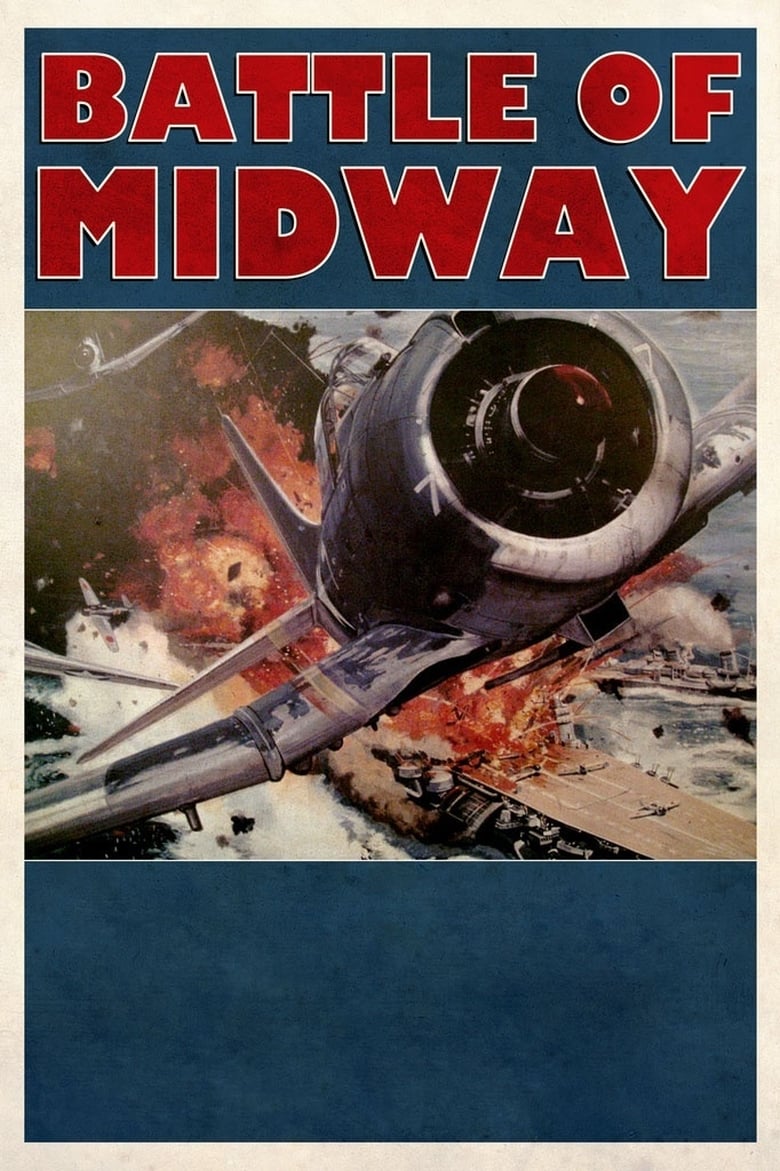
Although technically released in 1942, "The Battle of Midway" captures events from 1941, making it a crucial documentary of that period. Directed by John Ford, this film provides a firsthand look at one of the pivotal battles of World War II. It stands out for its raw footage shot during the actual battle, giving audiences an unprecedented view of warfare.
Collector's Notes
For collectors, this film is not only a historical artifact but also a cinematic milestone. The use of color film during wartime was rare, and Ford's ability to capture both the brutality and heroism of the battle has made it a valuable addition to any collection focusing on wartime documentaries.
Why It Still Works
"Target for Tonight" is a British documentary that provides a detailed account of a bombing raid over Germany. This Ministry of Information production offers a gripping look into the planning and execution of aerial warfare. Its realistic portrayal and attention to detail helped earn it an Academy Award, highlighting its significance.
Collector's Notes
For collectors, "Target for Tonight" is a testament to wartime filmmaking prowess. Its combination of dramatized sequences with actual military personnel adds authenticity, making it a prized piece for those interested in WWII history and documentary filmmaking.
Why It Still Works
"Listen to Britain," though released in 1942, captures the essence of Britain during 1941, showcasing the nation's resilience amidst war. Directed by Humphrey Jennings, it stands out for its poetic style and absence of narration, using music and imagery to tell its story.
Collector's Notes
This film is essential for collectors interested in British wartime cinema. Its innovative approach to documentary filmmaking has influenced countless filmmakers, making it a cornerstone piece for any serious collection. Its use of sound and visuals to convey emotion is still studied and admired.
Why It Still Works
"Churchill's Island" was the first film to win an Academy Award for Best Documentary, highlighting its importance in the genre. Directed by Stuart Legg, it documents the defense strategies of Britain during WWII, focusing on the Battle of Britain and the role of the Royal Navy.
Collector's Notes
Film collectors value "Churchill's Island" for its historical significance and its pioneering role in documentary filmmaking. As an early example of a documentary winning an Oscar, it represents a milestone in the recognition of non-fiction film as a legitimate art form.
Why It Still Works
Directed by Herbert Kline and Alexander Hammid, with a screenplay by John Steinbeck, "The Forgotten Village" offers a social commentary on the clash between tradition and modernity in a rural Mexican village. Its anthropological focus provides a unique perspective, making it a significant documentary of its time.
Collector's Notes
For collectors, "The Forgotten Village" is a rare gem due to its collaboration between film and literature giants. Its narrative style is a precursor to many social documentaries that followed, making it a valuable piece for those interested in the evolution of documentary storytelling.
Why It Still Works
Although released in 1942, "The Land" reflects on the agricultural and social changes in 1941 America. Directed by Robert Flaherty, it examines the impact of industrialization on farming communities, providing insight into American life during wartime.
Collector's Notes
Collectors appreciate "The Land" for its Flaherty's signature style of blending documentary with narrative elements. This film is a must-have for those interested in the history of American agriculture and the early environmental documentary movement.
Why It Still Works
"Kukan" stands out as a documentary capturing the Chinese struggle against Japanese invasion. Directed by Rey Scott, it provides a rare glimpse into wartime China, offering audiences a perspective not often seen in Western media of the time.
Collector's Notes
For film collectors, "Kukan" is particularly noteworthy as it was one of the first documentaries to receive an honorary Academy Award. Its groundbreaking coverage and the challenges faced during its production add to its allure as a collectible piece.
Why It Still Works
"Men of the Lightship" is a poignant British documentary that dramatizes the real-life sinking of the East Dudgeon Lightship by a German bomber. It effectively combines drama with documentary techniques, making the story both engaging and informative.
Collector's Notes
Collectors find "Men of the Lightship" significant due to its hybrid style, which was innovative for its time. The film's historical context and its representation of wartime civilian life make it an insightful addition to collections focused on WWII and British cinema.
Why It Still Works
Released in 1940, "The Power and the Land" continued to resonate in 1941, documenting the impact of rural electrification on American farm life. Directed by Joris Ivens, it highlights the transformative power of electricity in the countryside.
Collector's Notes
For collectors, this film is a testament to the New Deal era and its initiatives. Its focus on social and technological progress makes it a valuable documentary for those interested in American history and the evolution of documentary filmmaking.
Why It Still Works
"A Ship is Born," although released in 1942, reflects the shipbuilding efforts in 1941, crucial for wartime logistics. The film documents the construction of a Liberty ship, emphasizing the importance of industrial efforts in the war.
Collector's Notes
Collectors regard this film as an important piece of wartime industrial propaganda. Its focus on the shipbuilding industry offers insights into the home front efforts during the war, making it a notable addition to collections centered on industrial and wartime history.
Reflecting on Documentary Legacy of 1941
The documentary films of 1941 provide an invaluable window into a world at war, capturing moments of courage, resilience, and the relentless push for progress. Each film on this list not only informs us about the past but also showcases the evolution of documentary filmmaking techniques that would influence future generations. For collectors, these films are more than just historical artifacts; they are cherished pieces of cinematic history that offer raw, unfiltered glimpses into the human experience during one of the most tumultuous periods in modern history. Whether you’re a seasoned collector or a casual viewer wanting to explore this pivotal era through film, these documentaries are essential viewing, each contributing uniquely to the tapestry of our shared history.