Top 10 Documentary Movies of the 1950s
Top 10 Documentary Movies of the 1950s
Exploring the Best Documentaries of the 1950s
The 1950s were a transformative era for documentary filmmaking. It was a decade that witnessed the rise of cinéma vérité, a style that brought a new level of realism and intimacy to the genre. Documentaries from this period often tackled social issues, portrayed cultural shifts, and explored the human condition with a depth that continues to resonate with audiences today. Collectors of physical media will find that these films not only provide a window into the past but also remain relevant in their storytelling techniques and subjects. Let's delve into the top 10 documentaries of this vibrant decade, each offering a unique perspective and cinematic innovation that earns them a place in any collection.
Why It Still Resonates
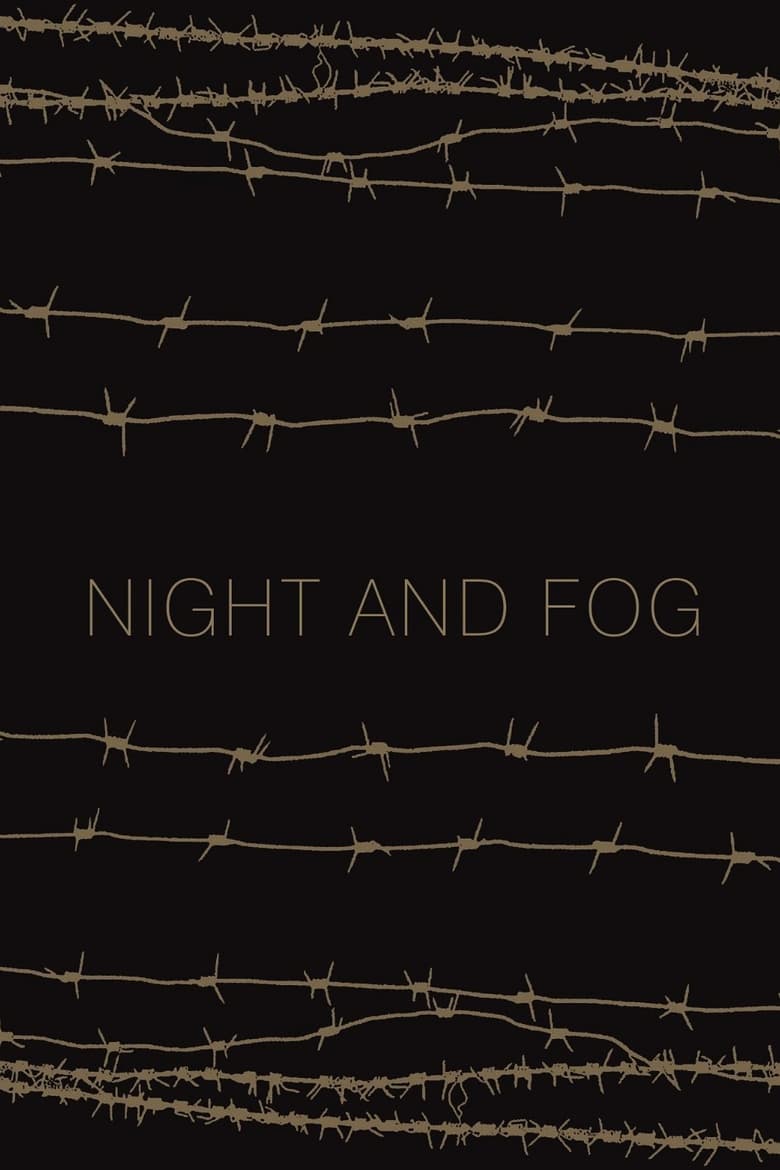
Directed by Alain Resnais, Night and Fog is a haunting exploration of the horrors of Nazi concentration camps. Despite its brief 32-minute runtime, the film's impact is profound and enduring. Using a combination of contemporary footage and archival material, Resnais creates a powerful meditation on memory and the human capacity for cruelty.
Collector's Notes
For collectors, Night and Fog is a must-have for its historical significance and its role in shaping documentary filmmaking. Its stark narration and haunting imagery remain a testament to the power of film as a tool for remembrance and education. This documentary is often included in discussions about the greatest films ever made, making it a cornerstone piece for any documentary enthusiast.
A Game Changer in Political Documentaries
While technically released in 1960, Primary was filmed during the 1959 Wisconsin Democratic Primary, which makes its inclusion here fitting. Directed by Robert Drew, this film is celebrated for pioneering the cinéma vérité style in America. It follows John F. Kennedy and Hubert Humphrey as they campaign, providing an unprecedented, candid look at the political process.
Collector's Notes
Collectors value Primary for its innovative approach and its influence on the genre. The film's ability to capture the spontaneous and unscripted moments of political life set a new standard for documentary realism. Owning a copy of Primary is like holding a piece of documentary history, marking a significant shift in how filmmakers approached nonfiction storytelling.
Reviving a Classic
Originally shot by Robert J. Flaherty in 1926, Moana was re-released in the 1950s with added sound by his daughter, Monica Flaherty. This documentary captures the life of Polynesian islanders, providing a vivid portrayal of their traditions and daily activities.
Collector's Notes
This film is significant for collectors not only because of its subject matter but also due to its restoration and re-release in the 1950s. The new sound added a layer of authenticity and engagement that was groundbreaking at the time. A collector who appreciates early documentary work will find Moana an essential part of their collection, bridging silent and sound documentary eras.
Underwater Adventures
Directed by Jacques Cousteau and Louis Malle, The Silent World is a pioneering underwater documentary that won the Palme d'Or at the 1956 Cannes Film Festival. The film showcases the incredible beauty and diversity of marine life, captured with innovative underwater photography techniques.
Collector's Notes
For collectors, The Silent World is a gem because of its historical importance in the genre of nature documentaries. It's one of the first films to use underwater cinematography effectively, setting the stage for future explorations of the natural world. Its accolades and the involvement of legendary filmmaker Louis Malle make it a sought-after piece for those interested in the evolution of documentary film.
A Stark Reality
Although released in 1949, Blood of the Beasts by Georges Franju became influential in the 1950s. This short documentary presents a stark and unflinching look at the slaughterhouses of Paris, juxtaposing scenes of everyday life with the grisly realities of animal processing.
Collector's Notes
Collectors appreciate Blood of the Beasts for its raw portrayal of industrial practices and its artistic approach to difficult subject matter. The film's use of juxtaposition and its impact on later filmmakers make it an essential addition for those interested in the intersection of art and documentary. Its influence is seen in how documentaries can tackle uncomfortable truths while maintaining artistic integrity.
Urban Realism
Directed by Lionel Rogosin, On the Bowery is a raw, unvarnished look at life on the streets of New York City. Blending documentary and narrative techniques, the film captures the struggles of the homeless and transient populations on the Bowery.
Collector's Notes
On the Bowery is prized by collectors for its pioneering hybrid style, which blurred the lines between documentary and fiction long before it became a common practice. The film's gritty portrayal of urban life in the 1950s offers a stark contrast to the often idealized images of post-war America. Its impact on the genre and its unique approach make it a valuable addition to a documentary collection.
Nature's Drama
Produced by Walt Disney, The Living Desert is an engaging nature documentary that won the Academy Award for Best Documentary Feature. It presents a vivid exploration of the life and survival tactics of desert-dwelling animals.
Collector's Notes
For collectors, The Living Desert is a fascinating piece due to Disney's involvement in documentary filmmaking, a departure from its usual animated fare. The film's success helped pave the way for future nature documentaries, establishing a template for educational entertainment. Its storytelling approach and cinematic techniques continue to be influential, making it a staple for those who appreciate the natural world's cinematic portrayal.
A Whimsical Journey
Although primarily a short film, The Red Balloon by Albert Lamorisse is often celebrated for its documentary-like portrayal of Parisian life through the eyes of a young boy and his sentient balloon. The film is a charming blend of fantasy and reality.
Collector's Notes
Collectors treasure The Red Balloon for its unique narrative style and its influence on both children's cinema and documentary aesthetics. Its visual storytelling and minimal dialogue crafted a universal appeal that transcends cultural and linguistic barriers. The film holds a special place in collections for its innovative use of simplicity to convey profound themes of friendship and freedom.
Cultural Reflections
Directed by Jean Renoir, The River offers a semi-documentary portrayal of life along the banks of the Ganges River in India. While more narrative than pure documentary, its observational style provides a rich cultural tapestry.
Collector's Notes
Collectors appreciate The River for its lush cinematography and its insightful depiction of Indian culture during the 1950s. The film's blend of documentary-style observation with a narrative structure makes it a unique addition to any collection focused on international cinema. Its artistic achievements and cultural insights continue to captivate those interested in the cross-cultural exchange through film.
Epic Exploration
Kon-Tiki is a documentary chronicling Thor Heyerdahl's daring expedition across the Pacific Ocean on a balsa wood raft. This Academy Award-winning film captures the adventurous spirit and determination of its participants.
Collector's Notes
For collectors, Kon-Tiki is significant for its thrilling depiction of human endeavor and exploration. The documentary's success demonstrated the public's appetite for real-life adventure stories, influencing future exploration films. Its gripping narrative and real-life stakes make it a thrilling addition to a collection, appealing to those who admire tales of exploration and human resilience.
A Legacy of Innovation and Influence
The 1950s were a pivotal decade for documentary filmmaking, marked by a shift towards more personal and realistic storytelling. These films not only captured the zeitgeist of their time but also pushed the boundaries of how stories could be told. From the haunting reflections of Night and Fog to the adventurous spirit of Kon-Tiki, each film on this list offers a unique perspective that continues to inspire filmmakers and viewers alike.
Collectors of physical media will find these documentaries to be invaluable additions to their libraries, not only for their historical significance but also for their artistic achievements. As you explore these groundbreaking works, consider how they have shaped the landscape of documentary cinema and continue to influence new generations of storytellers. Embrace the opportunity to delve into the rich tapestry of human experience captured on film in the 1950s, and let these stories inspire your own journey of discovery.