Top 10 Documentary Movies of 1960
Top 10 Documentary Movies of 1960
Exploring the Documentary Movies of 1960
The year 1960 was a pivotal moment for documentary films, marking a period where filmmakers began to push the boundaries of storytelling and explore new techniques. This was an era that saw the rise of direct cinema and cinéma vérité, styles that aimed to capture reality as it unfolded. The documentaries of 1960 were not only reflections of the times but also artistic endeavors that have inspired generations of filmmakers. Whether it was social issues, personal stories, or capturing the essence of a moment, these films provided audiences with a new way to view the world. For collectors, these documentaries offer a window into the past and remain essential pieces for any serious film library. Let's take a look at the top 10 documentary movies from this seminal year and discover why they continue to resonate today.
The Groundbreaking Approach
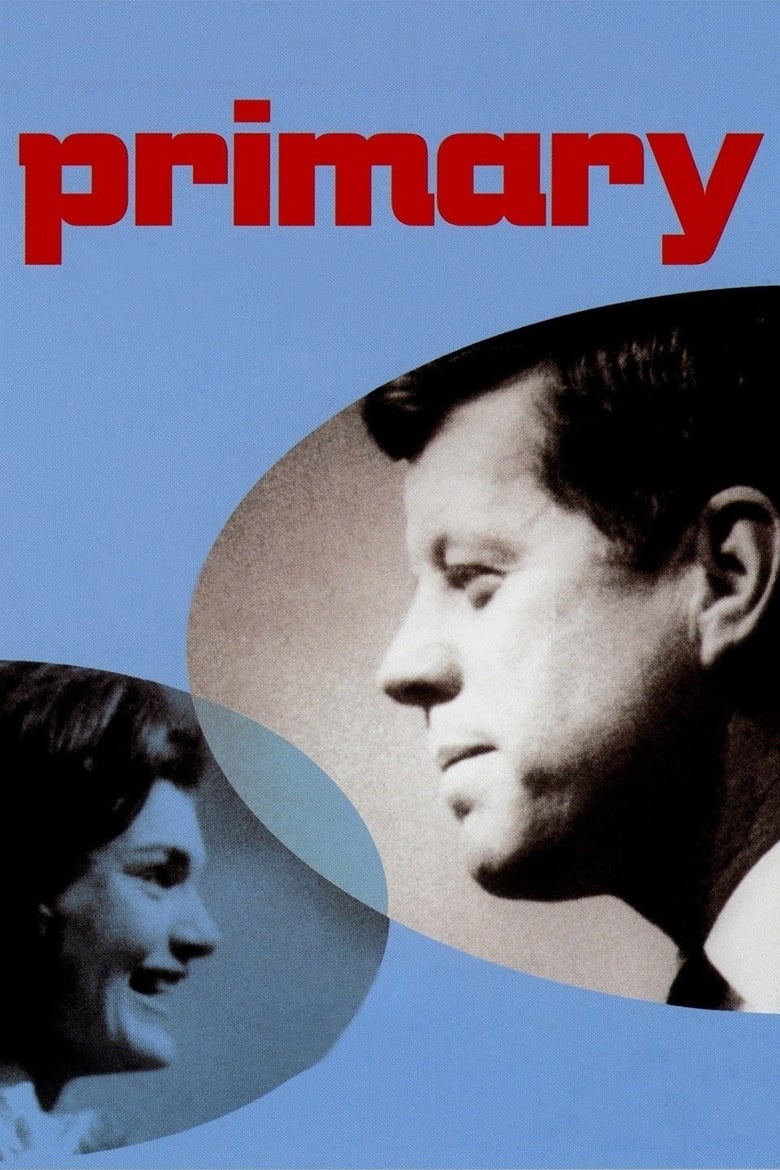
"Primary" is often credited as one of the first and most influential cinéma vérité films. Directed by Robert Drew, it chronicles the 1960 Wisconsin primary between John F. Kennedy and Hubert Humphrey. The film's innovative use of handheld cameras and synchronous sound was revolutionary at the time, providing an unprecedented level of intimacy and immediacy.
Why It Still Works
The documentary offers a behind-the-scenes look at the political process, capturing the charisma and strategy of a young JFK. Its impact is still felt today, as it set a new standard for political documentaries and influenced countless filmmakers. For collectors, "Primary" is a must-have as it represents a turning point in documentary filmmaking.
Innovative Storytelling
"Chronicle of a Summer" is a seminal work in the cinéma vérité style by directors Jean Rouch and Edgar Morin. The film explores the lives of Parisians during the summer of 1960, asking them a simple yet profound question: "Are you happy?"
Collector's Notes
This documentary is notable for its collaborative approach, involving the subjects in the filmmaking process. It breaks the fourth wall and questions the nature of truth in documentary cinema. For collectors, its pioneering techniques and philosophical depth make it a significant addition to any collection focused on the evolution of the genre.
A Unique Perspective
"The Savage Eye" stands out for its blend of documentary and narrative storytelling. Directed by Ben Maddow, Sidney Meyers, and Joseph Strick, the film follows a recently divorced woman as she navigates life in Los Angeles.
Why It Matters
The film is a stylized exploration of urban alienation, using real footage combined with a fictional narrative to paint a picture of postwar America. Its innovative approach and artistic ambition make it a fascinating piece for collectors interested in the intersection of documentary and fiction.
A Cinematic Adventure
"Windjammer: The Voyage of the Christian Radich" is a documentary that takes audiences on a breathtaking journey aboard a Norwegian square-rigger ship. Directed by Louis de Rochemont III, it's renowned for its stunning cinematography and the use of the Cinemiracle widescreen format.
Collector's Notes
The film is a captivating travelogue that showcases the beauty of the sea and different cultures around the world. Its technical achievements and visual splendor make it a prized find for collectors, especially those interested in maritime history and classic travel documentaries.
Social Awareness
"Let Us Be Human" is a poignant documentary by director John Krish that examines societal issues and human rights. The film's focus on empathy and understanding makes it a timeless piece.
Why It Resonates
Krish's approach is both humanistic and compelling, drawing attention to the struggles and dignity of everyday people. For collectors, this film is a testament to the power of documentaries to effect social change and remains relevant in discussions about documentary filmmaking that seeks to make a difference.
Capturing Conflict
"The Angry Silence," directed by Guy Green, is a dramatic exploration of labor strikes in a British factory. It combines documentary techniques with scripted drama to portray the tensions of the working class.
Collector's Insights
While primarily a drama, its roots in documentary filmmaking techniques give it an authenticity that resonates. The film's handling of complex social issues makes it an intriguing piece for collectors interested in films that blur the lines between documentary and fiction.
Cultural Exploration
"Rebel in Paradise," directed by Tom Palazzolo, offers a look into the counterculture movement in Greenwich Village, New York. The film captures the essence of a vibrant and transformative era.
Why Collectors Love It
The documentary's candid portrayal of artists, musicians, and activists provides a snapshot of a pivotal moment in cultural history. For collectors, "Rebel in Paradise" is an engaging exploration of creativity and rebellion, making it a valuable addition to collections focusing on cultural and social documentaries.
A Global Perspective
While "The World of Apu" is primarily a narrative film, directed by Satyajit Ray, its documentary-like portrayal of rural India offers a rich, immersive experience.
Why It Stands Out
The film's detailed depiction of everyday life in India provides a unique insight into the culture and challenges of the time. Collectors value it for its authentic representation and its influence on both narrative and documentary filmmakers worldwide.
A Musical Masterpiece
"Jazz on a Summer's Day," directed by Bert Stern, captures the Newport Jazz Festival of 1958. Its vibrant portrayal of jazz legends performing live sets it apart.
Collector's Notes
The documentary is celebrated for its stunning visuals and the way it captures the spirit of jazz. For collectors, it is a joyous celebration of music and culture, offering a timeless look at one of the most influential music festivals. Its place in both music and film history makes it a prized addition.
A Look at Youth
"The Young Lovers," directed by Samuel Goldwyn Jr., offers a documentary-like glimpse into the lives of young people navigating love and relationships in the 1960s.
Why It's Notable
While it straddles the line between documentary and fiction, the film's realistic portrayal of youth culture resonates with audiences even today. For collectors, its depiction of a formative time in societal attitudes towards relationships makes it an intriguing piece in a collection focused on social documentaries.
Reflecting on 1960's Documentary Landscape
The documentary films of 1960 represented a transformative period in cinema, where new techniques and storytelling approaches began to emerge. These films not only captured the essence of their time but also paved the way for future innovations in the documentary genre. From political insights to cultural explorations, each film on this list offers something unique for collectors and casual viewers alike. By adding these classics to your collection, you not only preserve a piece of cinematic history but also gain a deeper understanding of the art of documentary filmmaking. As you explore these films, consider how they continue to influence and inspire storytellers today.