Top 10 Documentary Movies of the 1960s
Top 10 Documentary Movies of the 1960s
A Decade of Discovery: 1960s Documentaries
The 1960s was a transformative decade for documentary filmmaking. It was a time when filmmakers began to experiment with new techniques and subjects, reflecting the changing social and political landscapes of the era. As television became a dominant medium, documentaries transitioned from traditional forms to more innovative and personal storytelling. This shift not only captured the essence of the times but also paved the way for contemporary documentary filmmaking. In this top 10 list, we delve into the most impactful and unique documentaries of the 1960s, each with its own contribution to the art form and lasting appeal for collectors.
Why It Deserves the Top Spot
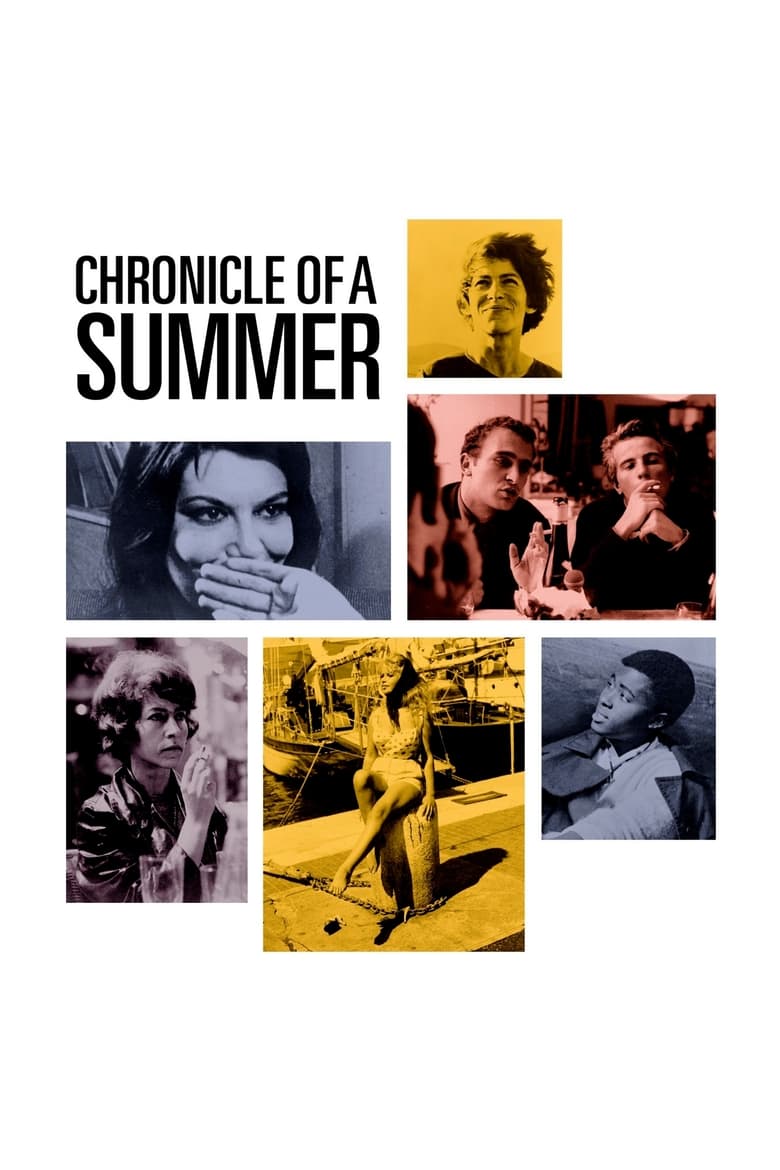
Directed by Jean Rouch and Edgar Morin, Chronicle of a Summer is a pioneering piece of cinema verité that captures the essence of Parisian life in the summer of 1960. The film's innovative approach involves engaging ordinary people in candid conversations about happiness, work, and relationships, effectively turning the camera into a tool of social investigation.
Collector's Notes
For collectors, Chronicle of a Summer is a significant film due to its role in shaping the documentary genre. The film's raw, unfiltered style and its influence on later filmmakers make it a valuable addition to any collection. Its availability on various formats, often with insightful commentaries and interviews, provides a deeper understanding of its impact.
Why It's Essential Viewing
Primary, directed by Robert Drew, is a groundbreaking political documentary that chronicles the 1960 Wisconsin Democratic Primary between John F. Kennedy and Hubert Humphrey. The film is notable for its use of direct cinema techniques, offering an intimate glimpse into the campaign process and the personalities involved.
Collector's Notes
Collectors prize Primary for its historical significance and its pioneering use of lightweight cameras and synchronized sound, which allowed for unprecedented access and intimacy. The film is often included in collections focusing on political history and documentary innovation, making it a cornerstone for any enthusiast of the genre.
A Glimpse into War's Reality
The Battle of San Pietro by John Huston is a powerful war documentary that presents a stark and unflinching look at the realities of combat during World War II. Although filmed during the 1940s, it was released to the public in the early 1960s, offering a raw depiction of the battle in Italy.
Collector's Notes
This film is a must-have for collectors interested in war documentaries. Its candid portrayal of military strategy and human cost is both harrowing and enlightening. The documentary's historical context and Huston's renowned directorial touch make it a significant piece in the study of war films.
A Riveting Political Narrative
Although it was released in 1971, filming for The Murder of Fred Hampton began in the late 1960s, capturing the intense political atmosphere surrounding the Black Panther leader Fred Hampton. Directed by Howard Alk and Mike Gray, the film provides a profound look into Hampton's life and the circumstances of his death.
Collector's Notes
Collectors value this documentary for its raw, uncompromising look at a pivotal moment in American history. It's an essential piece for those interested in civil rights and political documentaries, offering a unique perspective on the Black Panther movement and the era's social dynamics.
Unmasking Institutional Realities
Frederick Wiseman's Titicut Follies is a harrowing look inside the Bridgewater State Hospital for the criminally insane. The film's candid portrayal of the institution's practices led to its banning for over two decades, making it a controversial and significant work.
Collector's Notes
For collectors, Titicut Follies is a critical acquisition due to its historical banning and the conversations it sparked about ethics in documentary filmmaking. Its eventual release on home media, complete with reflective commentaries, offers a comprehensive view into its production and legacy.
A Slice of American Life
Directed by the Maysles Brothers, Salesman follows four door-to-door Bible salesmen as they navigate the harsh realities of their profession. The film's poignant exploration of the American Dream and its discontents is both captivating and melancholic.
Collector's Notes
Collectors are drawn to Salesman for its authentic portrayal of 1960s America and its innovative approach to storytelling. The film's availability in collector's editions often includes insightful discussions and interviews with the Maysles Brothers, adding depth to its already compelling narrative.
Capturing a Cultural Milestone
D.A. Pennebaker's Monterey Pop documents the 1967 Monterey International Pop Festival, a landmark event in music history. The film features performances by iconic artists like Jimi Hendrix and Janis Joplin, capturing the spirit of the 1960s counterculture.
Collector's Notes
For music and film collectors, Monterey Pop is a treasure trove of performances and cultural significance. Its release on various home media formats often includes additional concert footage and interviews, making it an indispensable part of any collection focused on music documentaries.
A Rock Icon's Journey
D.A. Pennebaker's Don't Look Back follows Bob Dylan during his 1965 concert tour in England. The film provides an intimate look at Dylan's interactions with fans, the press, and his entourage, offering a rare glimpse into the life of a music legend.
Collector's Notes
This documentary is a must-have for Dylan fans and collectors of music history. Its candid portrayal of the artist at a pivotal moment in his career, along with insightful extras in special editions, adds immense value. The film's influence on music documentaries makes it a key piece in any collection.
An Educational Time Capsule
Frederick Wiseman's High School offers a fly-on-the-wall perspective of a typical American high school in Philadelphia. The film captures the everyday interactions and institutional practices that reflect broader societal norms of the time.
Collector's Notes
Collectors appreciate High School for its unvarnished look at the educational system and its socio-cultural implications. The documentary's release with additional commentaries and background information provides valuable context, making it a significant addition to collections focused on educational and social documentaries.
A Chilling Hypothetical
Peter Watkins' The War Game is a pseudo-documentary that explores the potential effects of a nuclear attack on Britain. Its stark, realistic portrayal of nuclear devastation was so intense that it was initially banned from television broadcast.
Collector's Notes
For collectors, The War Game is a fascinating study in both documentary and narrative techniques, blending fact and fiction to powerful effect. Its availability with critical essays and filmmaker interviews enhances its educational value, making it a compelling addition to collections exploring political and historical themes.
Discovering the Legacy of 1960s Documentaries
The documentaries of the 1960s were more than just films; they were reflections of a rapidly changing world. From the political insights of Primary to the cultural snapshots in Monterey Pop, these films continue to inspire and inform. For collectors, they provide a window into the era's social, political, and cultural dynamics, offering both historical context and artistic innovation. As you explore these films, consider how they shaped the documentary genre and the impact they continue to have on audiences today. Dive into these timeless works and add them to your collection to experience the richness of the 1960s documentary movement.