Top 10 Documentary Movies of 1938
Top 10 Documentary Movies of 1938
Explore the Documentaries of 1938
The year 1938 marked a golden age for documentary filmmaking, a period when filmmakers began to explore the medium's full potential to capture the essence of real-life stories and societal dynamics. This era was characterized by a transformation in how stories were told, moving beyond mere documentation to create narratives that were both engaging and educational. Documentaries from this time not only entertained audiences but also provided them with new insights into different cultures, historical events, and human achievements. As we revisit these films, we see how they laid the groundwork for future generations of documentary filmmakers, providing a window into a world on the brink of significant change. For collectors, these films offer a unique glimpse into the past, reflected in the storytelling and filmmaking techniques of the time.
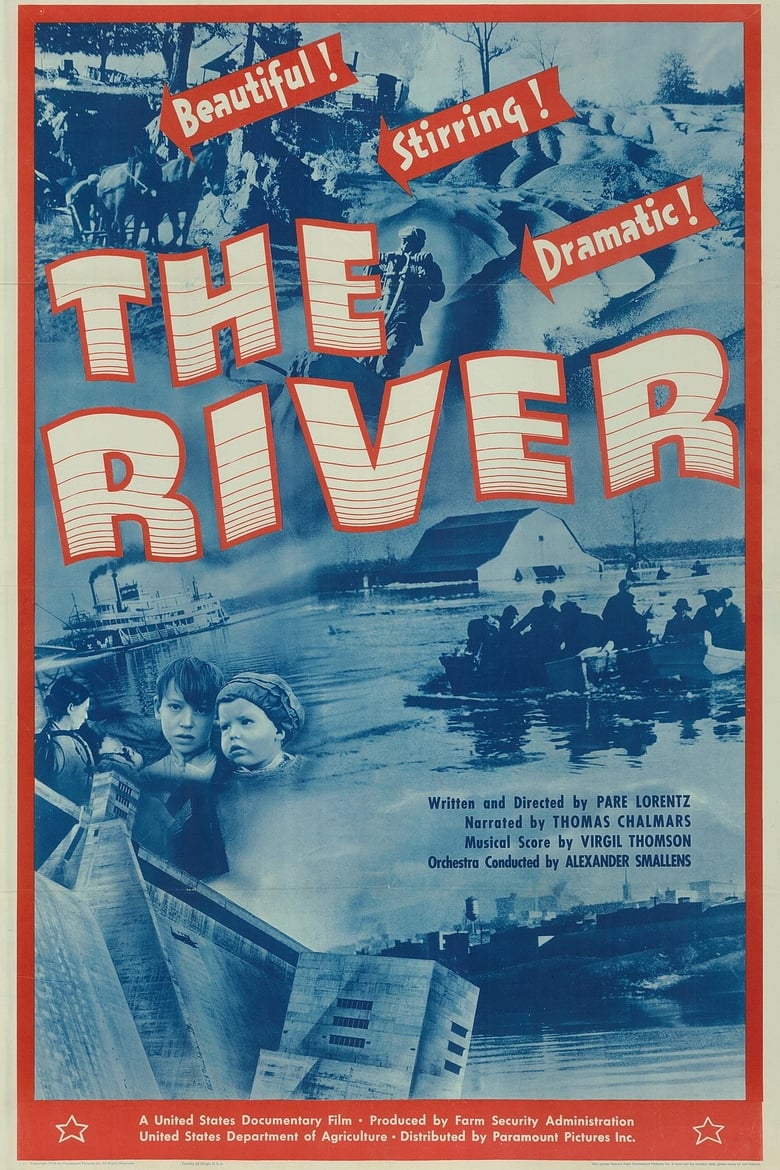
1. The River (1938)
Why It Stands Out
"The River," directed by Pare Lorentz, is a classic documentary that stands as a testament to the power of cinema to influence public opinion and policy. This film highlights the Tennessee Valley Authority (TVA) and its profound impact on the American South, capturing the natural beauty and the socioeconomic challenges faced by the region. The film is renowned for its innovative use of music and narrative, elements that helped set new standards for documentary storytelling. Lorentz's use of evocative imagery and lyrical narration combines to create a compelling story about human and environmental transformation.
Collector's Notes
For collectors, "The River" is a significant piece because it represents a pivotal moment in documentary history. Its influence is seen in how documentaries have evolved to blend storytelling with factual reporting. The film's original score, composed by Virgil Thomson, is particularly noteworthy, adding an emotional depth that enhances its impact. For those interested in the evolution of documentary film, "The River" is an essential piece, offering insights into how music and narrative can be used to enhance factual storytelling.
2. The Fight for Life (1938)
Why It Still Resonates
Directed by Pare Lorentz, "The Fight for Life" is an important documentary that examines the struggles of childbirth in impoverished areas. It provides a stark and poignant depiction of the challenges faced by expectant mothers and highlights the urgent need for better healthcare services. At a time when healthcare access was limited, this film served as a call to action for improvements in maternal care. Its narrative approach, combining reenactment with documentary footage, was groundbreaking and helped pave the way for future social documentaries.
Collector's Notes
"The Fight for Life" is a collector's gem due to its historical significance and innovative approach to storytelling. It captures a raw and unfiltered look at societal issues of the era, making it an invaluable piece for anyone interested in the evolution of social issue documentaries. Its focus on healthcare and social reform remains relevant today, offering lessons on advocacy and the power of film to drive social change.
3. People of the Cumberland (1938)
Cultural Impact
Directed by Sidney Meyers, Jay Leyda, and Ben Maddow, "People of the Cumberland" explores the lives of coal miners in the Cumberland region, offering an authentic portrayal of the struggles faced by working-class Americans during the Great Depression. The film highlights themes of resilience and community, shedding light on the harsh realities of life for those who toiled in the mines. It stands as a moving tribute to the human spirit and the capacity for endurance in the face of adversity.
Collector's Notes
For enthusiasts, "People of the Cumberland" is a compelling addition due to its honest depiction of American life. The film stands as a testament to the power of documentary film to ignite social change, providing a historical snapshot that is both educational and inspiring. Its focus on the working class and the socio-economic issues of the time makes it a significant piece for those interested in social history and labor rights.
4. The March of Time: Inside Nazi Germany (1938)
Historical Relevance
This installment of "The March of Time" series offers a rare and chilling glimpse into Germany under Nazi rule before the outbreak of World War II. As an early example of investigative journalism in film, it provides insights into the political climate and societal changes occurring in Germany at the time. The documentary's candid portrayal of the regime's propaganda and militarization efforts makes it an essential viewing for history buffs and those interested in the mechanisms of totalitarian regimes.
Collector's Notes
For collectors, this documentary is invaluable because it captures a pivotal moment in history. The film's newsreel style was innovative and set a precedent for future documentary reporting, offering a firsthand look at a nation on the brink of war. Its relevance extends beyond its historical context, serving as a reminder of the importance of vigilance and the role of media in documenting and challenging political power.
5. The Forgotten Frontier (1938)
A Tribute to Courage
"The Forgotten Frontier" is a documentary that highlights the work of the Frontier Nursing Service, an organization dedicated to providing healthcare in rural Kentucky. The film pays tribute to the bravery and dedication of nurses who traveled on horseback through difficult terrain to deliver vital medical care to isolated communities. It captures the spirit of compassion and service that defined this pioneering healthcare initiative, offering a powerful narrative about the impact of dedicated individuals in overcoming adversity.
Collector's Notes
The film is a collector's piece due to its portrayal of heroism and healthcare innovation. It documents an important chapter in the history of public health and showcases the spirit of service and resilience in the face of adversity. For those interested in the history of nursing and healthcare, "The Forgotten Frontier" provides valuable insights into the challenges and triumphs of early healthcare pioneers.
6. The Land (1938)
Environmental Awareness
Directed by Joris Ivens, "The Land" focuses on the agricultural challenges and innovations in the American Midwest. The film is notable for its environmental themes, which were ahead of their time, emphasizing the importance of sustainable farming practices. As a visual essay on the relationship between humans and the land, it explores the impact of mechanization and industrial agriculture, raising questions about sustainability and environmental stewardship.
Collector's Notes
For collectors, "The Land" is a fascinating artifact of early environmental awareness. Its focus on agriculture and sustainability provides a historical perspective that is increasingly relevant in today's world. The film serves as an early call to action for sustainable practices, making it a valuable resource for those interested in environmental history and the evolution of agricultural policy.
7. The City (1938)
Urban Planning Vision
"The City," directed by Ralph Steiner and Willard Van Dyke, explores the benefits of urban planning and the need for sustainable city development. The film is praised for its foresight in addressing urban issues that are still relevant today, such as overcrowding, pollution, and the need for green spaces. By advocating for planned communities that balance human needs with environmental considerations, "The City" presents a vision of urban life that remains a model for contemporary planners.
Collector's Notes
This film is a collector’s treasure because of its visionary approach to urban development. It offers a unique perspective on the growth of cities and the necessity for thoughtful planning, making it a timeless educational resource. For those interested in architecture, urban studies, or environmental design, "The City" provides a historical context for understanding the evolution of urban planning.
8. Men and Dust (1938)
Industrial Health Concerns
"Men and Dust" focuses on the dangers faced by miners due to silicosis, a debilitating lung disease caused by prolonged exposure to dust. The documentary sheds light on industrial health issues, serving as a sobering reminder of the human cost of industrial progress. By highlighting the struggles of miners and advocating for better working conditions and rights, the film plays a crucial role in raising awareness about occupational health and safety.
Collector's Notes
"Men and Dust" is a crucial addition to any collection due to its focus on worker health and safety. It’s an early example of a film advocating for social justice, highlighting the need for ongoing dialogue around labor rights. For those interested in labor history and industrial relations, the film provides a poignant narrative about the intersection of work, health, and human rights.
9. The Spanish Earth (1938)
War Documentary Prowess
Narrated by Orson Welles and written by Ernest Hemingway, "The Spanish Earth" documents the Spanish Civil War with powerful imagery and narrative. The film provides an intimate look at the conflict, focusing on the lives of ordinary people caught in the turmoil. Its artistic and historical value is enhanced by the involvement of Hemingway and Welles, making it a significant document of war and human resilience.
Collector's Notes
Collectors prize this film for its artistic and historical value. The involvement of Hemingway and Welles adds a layer of prestige, making it a must-have for enthusiasts of war documentaries and early cinema. Its focus on the human cost of conflict and the themes of courage and endurance make it a timeless piece for those interested in history and the art of documentary filmmaking.
10. Housing Problems (1938)
Social Reform Advocacy
"Housing Problems" is a groundbreaking documentary that tackles the housing crises faced by the working class in Britain. It is notable for its use of direct interviews with residents, giving a voice to the voiceless and highlighting the dire conditions in which many lived. The film serves as an early example of using documentary film as a tool for social reform, advocating for better living conditions and housing policies.
Collector's Notes
This film is a key piece for collectors interested in social reform. It highlights the importance of documentary filmmaking in advocating for change, making it a significant historical and educational resource. For those interested in social policy, urban studies, or housing issues, "Housing Problems" offers valuable insights into the challenges of urban life and the potential for film to drive social progress.
Reflecting on 1938's Documentary Legacy
The documentaries of 1938 offer an insightful glimpse into a world facing both promise and peril. These films tackled social issues, environmental concerns, and historical events with a depth and authenticity that continue to resonate. For collectors, they represent not just cinematic history but also a catalog of the human experience. As we reflect on these works, it's clear they laid critical groundwork for future generations of documentary filmmakers. Whether you're a seasoned collector or new to the genre, these films offer valuable perspectives and enduring lessons. Dive into these masterpieces and discover the stories that shaped their era, offering both a window into the past and a lens through which to view the present.