Top 10 Drama Movies of 1930
Top 10 Drama Movies of 1930
Exploring the Drama of 1930
The year 1930 marked a pivotal period in cinema as Hollywood transitioned from silent films to sound. This era brought about a dramatic transformation in storytelling and cinematic techniques, giving birth to some of the most compelling drama movies of the early sound era. As the world grappled with the Great Depression, audiences turned to the silver screen for both escapism and reflection. The films of 1930 are a testament to the ingenuity and resilience of filmmakers who embraced new challenges and opportunities. Whether you're a seasoned collector or a casual fan of classic cinema, exploring the top drama films of 1930 offers a fascinating glimpse into the past. Let's delve into these timeless classics and uncover what makes them enduring pieces of film history.
Why It Still Works
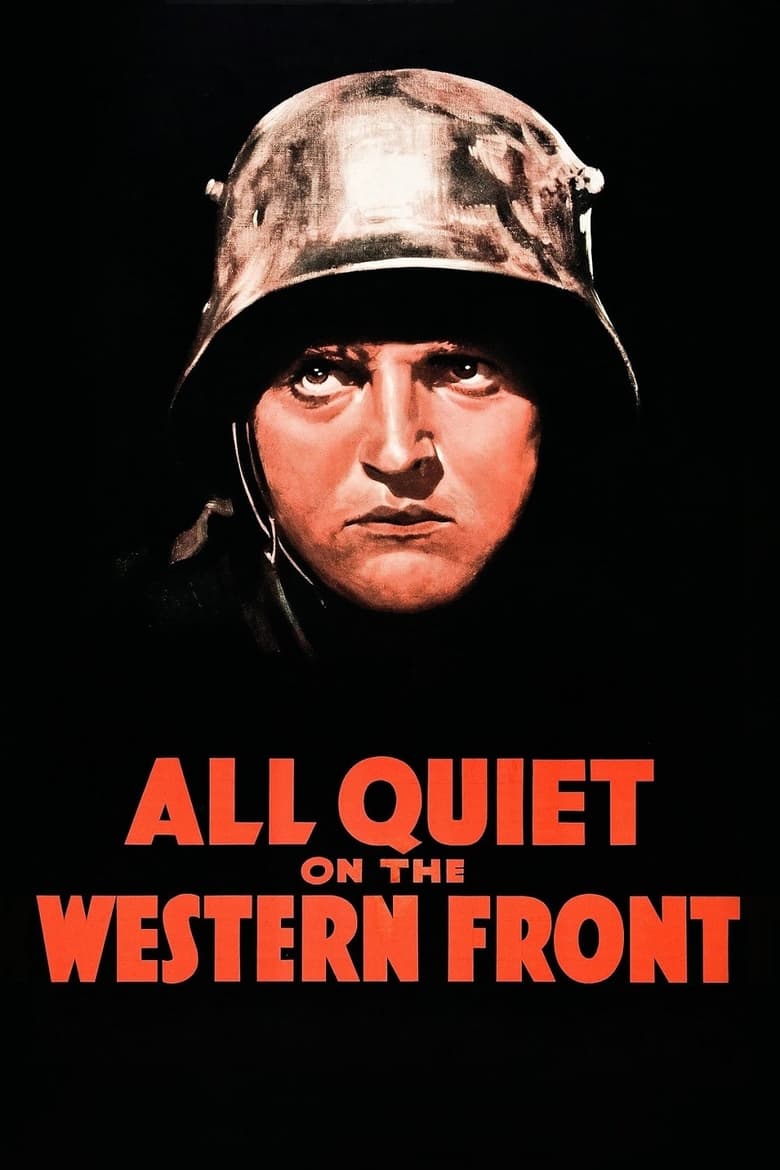
A landmark in war cinema, All Quiet on the Western Front stands as a poignant anti-war film that continues to resonate with audiences. Based on Erich Maria Remarque's novel, the film provides a gritty, unflinching look at the horrors of World War I from the perspective of young German soldiers. Its powerful narrative and groundbreaking battle sequences brought the grim realities of war to the forefront of public consciousness.
Collector's Notes
For collectors, the film is a must-have due to its historical significance and its Academy Award wins for Best Picture and Best Director. Its influence on subsequent war films cannot be overstated, making it a centerpiece in any classic film collection.
Why It Still Works
Anna Christie marks Greta Garbo's transition from silent films to talkies, showcasing her mesmerizing voice and acting prowess. The film, based on Eugene O'Neill's play, tells the story of a woman with a troubled past seeking redemption. Garbo's performance received critical acclaim, bringing depth and nuance to the titular character.
Collector's Notes
This film is significant for collectors as it represents a pivotal moment in Garbo's career. As one of the first major films of the sound era to feature such a prominent silent film star, Anna Christie is a landmark in cinema history. Its blend of strong performances and narrative depth makes it an essential addition for any drama enthusiast.
Why It Still Works
Directed by Josef von Sternberg, The Blue Angel features Marlene Dietrich in her breakout role as Lola Lola. The film explores themes of obsession and downfall, as a respected professor falls for a cabaret singer. Dietrich's magnetic performance and the film's innovative use of sound make it a standout drama of the era.
Collector's Notes
For collectors, The Blue Angel is a gem due to its historical impact and the iconic collaboration between Dietrich and von Sternberg. As one of the first major German sound films, it holds a unique place in both German and global cinema. Its influence on film noir and subsequent melodramas adds to its collectible appeal.
Why It Still Works
Another collaboration between Marlene Dietrich and Josef von Sternberg, Morocco showcases Dietrich's talents in a richly textured romantic drama. The film tells the story of a cabaret singer and a Foreign Legionnaire amidst the exotic backdrop of Morocco. Dietrich's performance, particularly the iconic tuxedo scene, is both bold and timeless.
Collector's Notes
Collectors prize Morocco for its artistic direction and cultural impact. It received several Academy Award nominations, including Best Actress for Dietrich. The film's unique style and Dietrich's memorable performance make it a valuable addition to any collection focusing on the evolution of film aesthetics.
Why It Still Works
Directed by Harry d'Abbadie d'Arrast, Laughter is a sophisticated comedy-drama exploring themes of love and materialism. It stars Nancy Carroll as a woman torn between her wealthy husband and a struggling musician. The film's witty dialogue and Carroll's charming performance stand out, capturing the essence of early 1930s cinema.
Collector's Notes
For collectors, Laughter is noteworthy for its screenplay and direction, which reflect the transitional period from silent films to talkies. Its blend of humor and drama offers a snapshot of the era's evolving filmic language, making it an interesting piece for those interested in film history.
Why It Still Works
Street of Chance is a drama that delves into the world of gambling and deception. Starring William Powell as a gambler trying to protect his brother from a similar fate, the film explores themes of morality and redemption. Powell's charismatic performance elevates the film, making it an engaging watch.
Collector's Notes
Collectors appreciate Street of Chance for its narrative complexity and Powell's performance. As an early example of the gambling drama genre, it offers insight into the thematic concerns of the era. Its exploration of character and morality provides depth, making it a valuable addition to any classic film library.
Why It Still Works
Starring Norma Shearer, The Divorcee is a pre-Code drama that tackles issues of marriage and infidelity with a frankness that was groundbreaking for its time. Shearer's performance earned her an Academy Award for Best Actress, underscoring the film's impact and her acting prowess.
Collector's Notes
For collectors, The Divorcee is significant due to its bold approach to controversial themes and its success during the pre-Code era. Its historical importance and Shearer's award-winning performance make it a must-have for enthusiasts of early sound films, offering a window into the social mores of the 1930s.
Why It Still Works
Directed by Alexander Dovzhenko, Earth is a Soviet silent film that is often celebrated for its poetic imagery and exploration of life on a Ukrainian collective farm. The film's visual style and thematic exploration of industrialization and collectivism have earned it a place in cinematic history.
Collector's Notes
For collectors, Earth is a masterpiece of Soviet cinema, renowned for its artistic photography and innovative editing techniques. Its influence on visual storytelling and its status as a cultural artifact of its time make it an essential acquisition for those interested in global cinema and film art.
Why It Still Works
The Dawn Patrol is an aviation drama that explores the camaraderie and tension among World War I fighter pilots. Directed by Howard Hawks, the film is noted for its realistic depiction of aerial combat and its exploration of the psychological toll of war.
Collector's Notes
Collectors value The Dawn Patrol for its direction and pioneering aerial cinematography. As an early sound film that effectively captures the intensity of war, it holds historical significance. The film's influence on later war dramas and its technical achievements make it a noteworthy addition to any collection.
Why It Still Works
Starring a young John Wayne in his first leading role, The Big Trail is an epic Western that traces the journey of settlers traveling the Oregon Trail. The film is notable for its use of early widescreen technology, providing a sweeping visual spectacle.
Collector's Notes
For collectors, The Big Trail is a significant piece due to its pioneering use of widescreen and its role in John Wayne's career. The film's ambitious scope and technical innovations offer a fascinating look at the evolution of early Hollywood epics, making it a prized item for fans of Westerns and cinematic history.
Continuing the Journey into Classic Cinema
Exploring the drama films of 1930 offers a unique window into a transformative time in cinema history. These films not only reflect the artistic and technological shifts of the early sound era but also capture the cultural and social nuances of their time. From the haunting realism of All Quiet on the Western Front to the groundbreaking performances in Anna Christie and The Blue Angel, each film on this list showcases the diverse storytelling and technical innovation that characterized the period. For collectors, these films represent more than just entertainment; they are artifacts of a bygone era that continue to influence the cinematic landscape today. As you expand your collection, consider the stories and legacies these films carry, and enjoy the rich tapestry of cinema's early years.