Top 10 Drama Movies of 1967
Top 10 Drama Movies of 1967
Exploring the Cinematic Gems of 1967
The year 1967 stands as a pivotal moment in film history, especially for the drama genre. This was a time when filmmakers began pushing the boundaries of storytelling, challenging societal norms, and experimenting with new cinematic techniques. The dramas of this year often reflected the social changes of the era, offering audiences a mirror to the world around them. From innovative narratives to groundbreaking performances, 1967's dramas remain influential, resonating with both viewers and collectors to this day. Join us as we delve into the top 10 drama films of 1967 that continue to captivate and inspire.
Why It Still Works
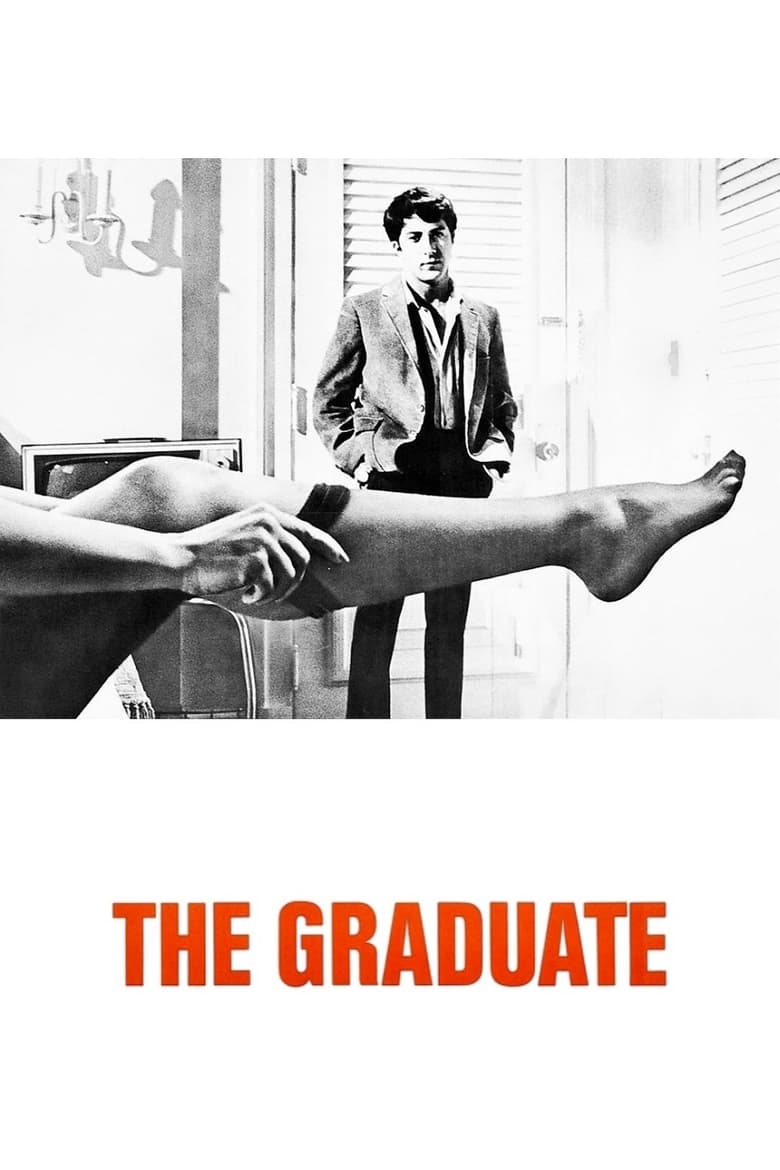
"The Graduate" is an iconic film that captured the uncertainties of youth and the societal shifts of the 1960s. Directed by Mike Nichols, this film introduced audiences to the disillusionment faced by young adults. With an unforgettable performance by Dustin Hoffman, the film became a cultural phenomenon. The themes of alienation and rebellion resonate with viewers even today. The character of Benjamin Braddock, a recent college graduate who finds himself trapped in an affair with an older woman, Mrs. Robinson, serves as an allegory for the generation's quest for identity amidst the rigid expectations of society.
The film's success was further bolstered by its innovative use of music. Simon & Garfunkel's soundtrack, featuring timeless hits like "The Sound of Silence" and "Mrs. Robinson," not only complemented the film's narrative but also became anthems for the youth of the era. The music was seamlessly woven into the fabric of the film, amplifying the emotions and internal conflicts of its characters.
Collector's Notes
For collectors, "The Graduate" is a must-have due to its cultural significance and its innovative use of music, particularly Simon & Garfunkel's soundtrack. The film's influence on subsequent coming-of-age dramas makes it a cornerstone of any serious film collection. Original posters and memorabilia associated with the film are highly coveted, often fetching high prices at auctions. Its inclusion in the National Film Registry as a film of historical significance further underscores its value to collectors.
Timeless Themes
"In the Heat of the Night" tackled racial tensions in a way that was groundbreaking for its time. The film stars Sidney Poitier and Rod Steiger in a compelling narrative that combines mystery with deep social commentary. Its exploration of prejudice and justice remains impactful. The film's setting in the racially charged southern United States during the Civil Rights Movement adds a layer of authenticity and urgency to its narrative.
Sidney Poitier's portrayal of Virgil Tibbs, a black detective from the North, forced to solve a murder in a hostile southern town, was both powerful and poignant. The film not only highlighted racial tensions but also showcased the possibility of understanding and cooperation across racial lines. The famous line "They call me Mister Tibbs!" became a defining moment in cinema, emphasizing dignity and respect.
Collector's Notes
Collectors treasure this film for its critical acclaim and its role in the civil rights movement. Its five Oscar wins, including Best Picture, underline its importance in cinematic history, making it a prized addition to any collection. The film's original screenplay and promotional materials are particularly sought after. Its influence on subsequent films that address racial issues cannot be overstated, making it a seminal piece for any cinematic library.
Revolutionary Storytelling
"Bonnie and Clyde" revolutionized the portrayal of crime and violence in cinema. Directed by Arthur Penn and starring Warren Beatty and Faye Dunaway, the film's raw portrayal of its infamous protagonists challenged traditional narrative forms and set new standards for the genre. The film's depiction of the notorious bank-robbing couple was both glamorous and gritty, capturing the imagination of audiences and critics alike.
The film's innovative editing techniques and its mix of humor and violence set it apart from other films of its time. It blurred the lines between hero and villain, inviting viewers to sympathize with its anti-heroic characters. The film's climactic and graphic shootout scene was both shocking and groundbreaking, paving the way for a new era of realism in cinema.
Collector's Notes
This film is a collector's gem due to its significant impact on how movies depicted violence and anti-heroes. Its bold storytelling and stylistic innovations make it a touchstone for film historians and enthusiasts alike. Original movie posters and lobby cards from the initial release are highly prized, reflecting the film's enduring appeal and its pivotal role in film history.
Unforgettable Performances
Paul Newman delivered one of his most iconic performances in "Cool Hand Luke," a film that explored the human spirit's resilience against oppressive authority. The film's themes of rebellion and individuality struck a chord with audiences during a time of social upheaval. Newman's portrayal of Luke, a man who refuses to conform to the oppressive rules of a southern chain gang, became a symbol of defiance and resilience.
The film's memorable scenes, such as the infamous egg-eating contest, showcased Newman's charisma and the film's blend of humor and drama. The supporting cast, including George Kennedy, who won an Oscar for his role as Dragline, added depth and authenticity to the film's portrayal of camaraderie and survival.
Collector's Notes
For collectors, "Cool Hand Luke" offers a classic Newman performance and a memorable supporting cast. Its cultural impact and memorable quotes have cemented its status as a must-have classic. Items such as the film's original script and promotional materials are particularly valuable, representing a significant era in cinematic history.
Social Commentary
"Guess Who's Coming to Dinner" was a bold film for its time, addressing interracial marriage during a period of racial tensions. With stellar performances by Spencer Tracy, Katharine Hepburn, and Sidney Poitier, the film challenged societal norms and encouraged dialogue. The film's narrative, centered around a young couple's decision to marry despite racial differences, was both provocative and timely.
The film is notable for its nuanced portrayal of the complexities involved in interracial relationships, offering a thoughtful exploration of both personal and societal prejudices. The performances by its stellar cast, particularly Spencer Tracy's final monologue, provided a powerful call for tolerance and understanding.
Collector's Notes
This film is a collector's treasure due to its historical context and its role in social change. Its progressive narrative and legendary cast make it an essential piece of cinematic history. Collectors often seek out original posters and press kits, as well as recordings of the film's soundtrack, which contribute to its legacy as a groundbreaking work in cinema.
High-Stakes Action
"The Dirty Dozen" is a unique blend of drama and action, following a group of convicts on a dangerous mission during World War II. Directed by Robert Aldrich, the film's ensemble cast and thrilling storyline captivated audiences. The film combined elements of a traditional war movie with a heist narrative, resulting in a fresh and engaging cinematic experience.
The film's diverse cast of characters, each with their own distinct personalities and backgrounds, provided a compelling exploration of the thin line between order and chaos. The tension and camaraderie among the group added depth to the film's high-stakes action sequences.
Collector's Notes
Collectors appreciate this film for its innovative approach to the war genre and its ensemble cast, including Lee Marvin and Charles Bronson. Its mix of drama and action offers a fresh take on wartime narratives, making it a valuable addition to a film collection. Promotional items from the film's initial release, such as posters and lobby cards, are particularly sought after by collectors.
Inspirational Storytelling
Sidney Poitier stars in "To Sir, with Love," a film that explores the challenges of teaching in a tough London school. The film's heartfelt narrative and Poitier's commanding performance make it a timeless classic. The story of Mark Thackeray, an idealistic teacher who inspires his unruly students to overcome their circumstances, resonated with audiences, highlighting the transformative power of education.
The film's exploration of social issues, such as race and class, provided a nuanced commentary on the challenges faced by educators and students alike. The title song, performed by Lulu, became a hit, further cementing the film's cultural impact.
Collector's Notes
Collectors hold this film in high regard for its inspirational message and its reflection on educational and social issues of the time. Its emotional depth and cultural significance enhance its value in any film library. Original soundtracks and promotional materials associated with the film are highly prized, reflecting its enduring legacy.
Epic Romance
Based on the legendary Arthurian tales, "Camelot" brings to life the romance and tragedy of King Arthur's court. Its lavish production and musical grandeur offer a captivating cinematic experience. The film's opulent sets and costumes transported audiences to a mythical past, while its romantic narrative explored themes of love, honor, and betrayal.
The film's adaptation of the Broadway musical infused it with a sense of theatricality, capturing the grandeur of the Arthurian legend. The performances by Richard Harris as King Arthur and Vanessa Redgrave as Guinevere added depth and emotion to the film's epic narrative.
Collector's Notes
For collectors, "Camelot" is cherished for its elaborate set design and musical score, which capture the essence of a bygone era. Its adaptation of a beloved story into a visual epic makes it a standout piece in any collection. Collectors often seek original sheet music and promotional materials, which contribute to the film's enduring appeal.
Chilling Realism
"In Cold Blood," directed by Richard Brooks, is a haunting adaptation of Truman Capote's true crime novel. The film's stark portrayal of the Clutter family murders offers a chilling insight into the minds of the perpetrators. The film's black-and-white cinematography heightened its unsettling atmosphere, creating a sense of realism and tension.
The film's exploration of the psychological complexities of its characters provided a gripping narrative, challenging viewers to grapple with questions of morality and justice. The meticulous attention to detail in the film's production captured the essence of Capote's groundbreaking work.
Collector's Notes
Collectors value "In Cold Blood" for its realistic approach and its impact on crime cinema. The film's black-and-white cinematography highlights its unsettling atmosphere, making it a profound addition to any film enthusiast's collection. Original editions of the screenplay and promotional materials are particularly prized, reflecting the film's significance in the true crime genre.
Complex Relationships
"The Fox," directed by Mark Rydell, delves into the intricate dynamics between three individuals living in isolation. The film's exploration of sexuality and identity was ahead of its time, challenging viewers with its nuanced storytelling. The film's intimate portrayal of its characters' relationships offered a thoughtful exploration of personal and societal issues.
The film's depiction of the tensions and complexities involved in human relationships provided a powerful commentary on the nature of identity and desire. The performances by its cast added depth and authenticity to the film's exploration of these themes.
Collector's Notes
For collectors, "The Fox" represents a daring narrative that pushed boundaries in its depiction of personal and social issues. Its exploration of human relationships and the performances of its cast make it a noteworthy piece for any collection. Items such as original movie posters and promotional materials are highly sought after, reflecting the film's impact on cinema.
Reflecting on 1967's Dramatic Impact
The drama films of 1967 not only entertained audiences but also provoked thought and discussion, reflecting the tumultuous social landscape of the time. These films, with their compelling narratives and unforgettable performances, continue to resonate, reminding us of cinema's powerful role in cultural and social discourse. For collectors, these movies offer a slice of history, capturing the essence of a transformative era in film. As we revisit these classics, we appreciate their enduring influence and the way they continue to inspire filmmakers and audiences alike. Dive into these gems and enrich your collection with pieces of cinematic history that promise to engage and enlighten.
These films stand as testaments to the creative and transformative power of cinema during a decade marked by change and upheaval. They capture the spirit of the times, offering insights into the challenges and triumphs of an era that forever changed the landscape of film. As we reflect on these cinematic treasures, we are reminded of their enduring legacy and the timeless themes that continue to resonate with audiences across generations. Whether you're a collector, a film enthusiast, or a casual moviegoer, these films invite you to explore the depths of human experience and the art of storytelling at its finest.