Top 10 Drama Movies of 1960
Top 10 Drama Movies of 1960
A Glimpse into 1960's Cinematic Drama
The year 1960 was an intriguing time for cinema, as filmmakers pushed boundaries and explored new themes that would shape the future of storytelling. Drama films, in particular, captivated audiences with their intense narratives and complex characters. It was a year that marked the transition from the golden age of Hollywood to a more modern, realistic style of filmmaking. Many of these films challenged societal norms and delved into themes that were previously unexplored on the big screen, making them not just entertaining but also thought-provoking. As collectors and enthusiasts of physical media, these films hold a special place, offering a glimpse into a pivotal moment in cinematic history. Let's dive into the top 10 drama movies of 1960 that continue to resonate with audiences today.
Why It Still Works
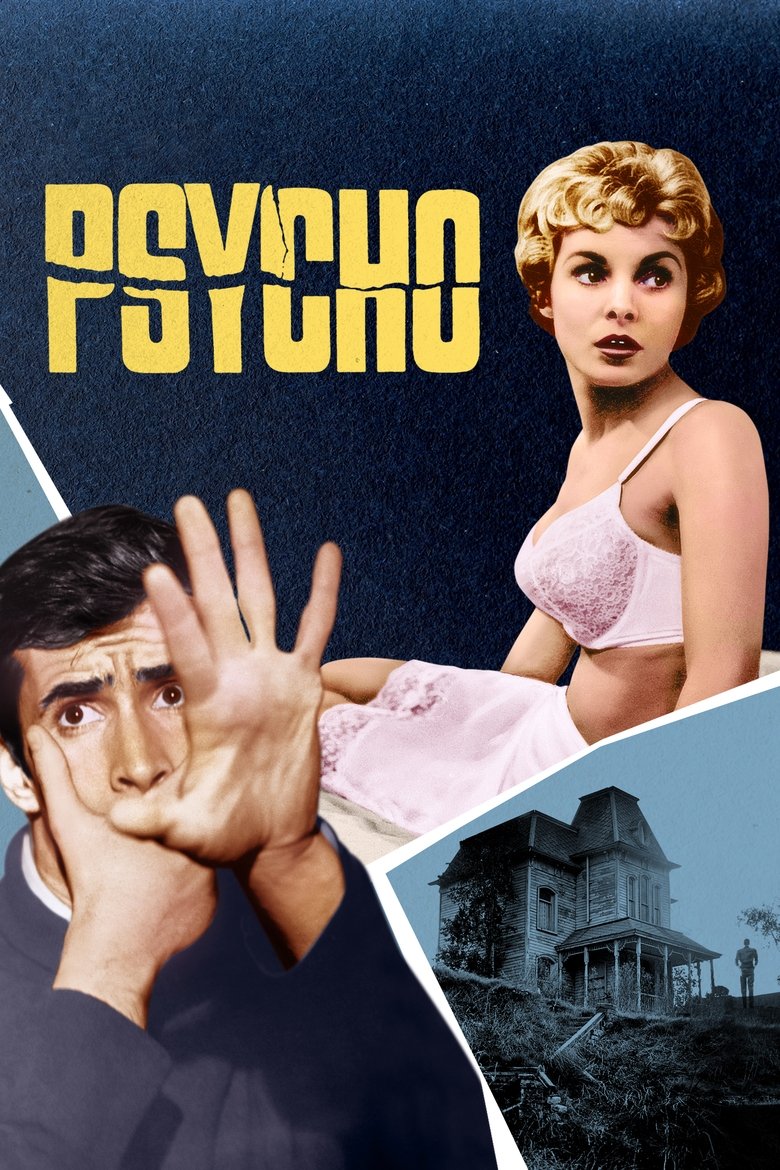
Alfred Hitchcock's Psycho is not only a masterpiece of suspense but also a revolutionary drama that changed the landscape of cinema. Its narrative technique, particularly the shocking mid-film twist, was groundbreaking. Janet Leigh's character, Marion Crane, is abruptly murdered, flipping the script and leaving viewers in shock. This bold move defied conventional storytelling, where a protagonist's journey was typically followed through to the end. The film's exploration of identity and mental illness, particularly through the character of Norman Bates, was ahead of its time, making it a complex study of human psyche. Hitchcock's meticulous direction and the psychological depth of the characters keep audiences riveted, even after multiple viewings.
Collector's Notes
For collectors, Psycho is a treasure, especially in its original format. The iconic shower scene and Bernard Herrmann's haunting score are as memorable now as they were then. Owning a piece of this film is like holding a piece of film history, with original posters and rare editions highly sought after. Limited edition box sets often include Hitchcock's notes, storyboards, and behind-the-scenes footage, offering a comprehensive look into the making of this cinematic landmark.
Why It Still Works
Federico Fellini's La Dolce Vita is a sprawling epic that captures the existential ennui of post-war Italy. Its episodic structure and commentary on celebrity culture and moral decadence are as relevant today as they were six decades ago. The film's narrative follows journalist Marcello Rubini as he navigates the hedonistic lifestyle of Rome's elite, offering a critique of superficiality and the quest for meaning in a rapidly modernizing world. The film's iconic scenes, such as the Trevi Fountain moment with Anita Ekberg, have become emblematic of cinematic artistry, symbolizing both the allure and emptiness of fame.
Collector's Notes
For collectors, the allure of La Dolce Vita lies in its lush cinematography and the iconic performance of Marcello Mastroianni. Special editions and restored prints offer a vibrant look into Fellini's vision, making it a must-have for serious collectors. Editions often come with essays by film historians and documentaries about Fellini's influence on world cinema, providing deeper insights into the film's enduring legacy.
Why It Still Works
Billy Wilder's The Apartment seamlessly blends drama with comedy, creating a film that is both heartwarming and cynical. Its sharp critique of corporate culture and the personal sacrifices people make for career advancement resonate strongly. The film's protagonist, C.C. Baxter, portrayed by Jack Lemmon, becomes entangled in office politics and romantic troubles, reflecting the universal struggle between personal integrity and ambition. Wilder's deft direction and the film's incisive script allow it to tackle themes of loneliness and the search for genuine connection in an often impersonal world.
Collector's Notes
The film's charm lies in its witty script and the chemistry between Jack Lemmon and Shirley MacLaine. Collectors seek out editions with behind-the-scenes features that delve into its production, offering insights into Wilder's innovative storytelling. Box sets may include essays on Wilder's influence on romantic comedies and interviews with the cast and crew, enhancing the film's historical context and appreciation.
Why It Still Works
Directed by Stanley Kubrick, Spartacus is an epic historical drama that tells the story of a slave uprising in ancient Rome. Its themes of freedom and resistance against oppression are timeless, and the film's scale and ambition were unprecedented at the time. The film's portrayal of Spartacus, played by Kirk Douglas, as a symbol of rebellion and hope, resonates as a universal story of the fight for justice and human dignity. Kubrick's direction, combined with Dalton Trumbo's screenplay, brought a depth and gravitas to the epic genre that was previously unseen.
Collector's Notes
For collectors, Spartacus is a prized possession, especially in its restored versions that highlight Kubrick's meticulous attention to detail. The film's powerful performances and grand set pieces make owning a physical copy a rewarding experience. Special editions often include documentaries about the film's production challenges and its role in breaking the Hollywood blacklist, making it not just a film but a piece of political and cultural history.
Why It Still Works
Luchino Visconti's Rocco and His Brothers is a poignant tale of family, loyalty, and the struggle for a better life. Its exploration of migration and the social challenges faced by working-class families is both moving and relevant. The film's narrative, which follows the Parondi family's move from Southern Italy to Milan, highlights the tensions between traditional values and the pressures of modern urban life. The emotional depth of the characters and the film's raw portrayal of love, betrayal, and redemption continue to captivate audiences.
Collector's Notes
Collectors appreciate the film's emotional depth and its influence on Italian cinema. Special editions often include essays and critical analyses that provide context to Visconti's powerful storytelling, making it a valuable addition to any collection. Restorations of the film often feature enhanced audio and visual quality, allowing viewers to experience the film as Visconti intended.
Why It Still Works
Based on D.H. Lawrence's novel, Sons and Lovers is a sensitive portrayal of a young man's struggle between familial obligations and personal desires. Its exploration of complex family dynamics is both insightful and relatable. The film delves into the Oedipal tensions between Paul Morel and his mother, capturing the psychological intricacies of Lawrence's writing. The performances, particularly by Dean Stockwell as Paul, bring authenticity to the story's emotional conflicts, making it a compelling exploration of identity and aspiration.
Collector's Notes
The film's acclaim, including multiple Academy Award nominations, makes it a significant piece for collectors. Restored versions with commentary tracks offer a deeper understanding of its themes and production, enhancing its value. Editions may also include interviews with film scholars and adaptations of Lawrence's other works, providing a broader context for the film's literary roots.
Why It Still Works
Inherit the Wind dramatizes the famous 1925 Scopes "Monkey" Trial, tackling the debate between science and religion. Its intellectual depth and the powerhouse performances by Spencer Tracy and Fredric March make it a compelling watch. The film's courtroom drama format allows for a riveting exploration of freedom of thought and the clash between progress and tradition. The dialogue-driven narrative, filled with sharp wit and philosophical debates, remains relevant in discussions about education and belief systems today.
Collector's Notes
Collectors value this film for its historical significance and its thought-provoking narrative. Editions that include historical context and educational features are particularly appealing, offering more than just entertainment. Special features often include commentaries from legal experts and historians, providing a comprehensive understanding of the trial's impact on American society.
Why It Still Works
As a defining film of the British New Wave, Saturday Night and Sunday Morning captures the working-class experience with authenticity and grit. Albert Finney's raw performance adds to its enduring appeal. The film's portrayal of rebellious factory worker Arthur Seaton reflects the disillusionment and aspirations of a post-war generation seeking change. Its focus on the individual's struggle against societal constraints captures the essence of the era's sociopolitical shifts.
Collector's Notes
For enthusiasts, this film represents a key moment in British cinema. Special editions often include interviews with cast and crew, providing insights into its production and the cultural backdrop of the time. Restorations typically enhance the film's visual clarity, allowing viewers to appreciate the gritty realism that defined the British New Wave movement.
Why It Still Works
Directed by Luis Buñuel, The Young One addresses themes of racial tension and moral ambiguity with unflinching honesty. Its exploration of power dynamics and prejudice remains powerful. The film's narrative, set on a remote island, isolates its characters, intensifying the conflicts and forcing a confrontation with deeply ingrained biases. Buñuel's direction brings a surreal edge to the story, challenging audiences to question their perceptions of morality and justice.
Collector's Notes
This film's rarity and Buñuel's unique directorial approach make it a gem for collectors. Editions that feature restored footage and critical essays are particularly coveted, offering a deeper dive into its complex themes. Collectors often seek out editions with scholarly analyses that explore Buñuel's influence on both European and American cinema.
Why It Still Works
Ingmar Bergman's The Virgin Spring is a haunting tale of revenge and redemption. Its stark portrayal of human nature and morality is gripping, making it a profound cinematic experience. The film's narrative, inspired by a Swedish ballad, explores themes of innocence and the cyclical nature of violence. Bergman's meticulous attention to visual composition and thematic depth creates an atmosphere that is both beautiful and unsettling.
Collector's Notes
Collectors are drawn to Bergman's masterful storytelling and the film's striking visuals. Criterion editions with comprehensive supplements, such as director's commentary, are especially prized, offering a fuller appreciation of Bergman's work. These editions often include essays on Bergman's influence on world cinema and documentaries about the film's production, enhancing its value to cinephiles.
The Enduring Appeal of 1960's Dramas
The drama films of 1960 continue to resonate with audiences and collectors alike, offering insights into the societal and personal challenges of their time. These movies not only entertained but also provoked thought and discussion, reflecting the changing tides of the era. For collectors, owning these films provides not only a piece of cinematic history but also an opportunity to explore the rich narratives and pioneering techniques that defined this pivotal year in film. Whether it's the psychological intrigue of Psycho or the cultural commentary of La Dolce Vita, these films remain essential viewing for anyone passionate about the art of cinema.
The films of 1960 also marked a period of transition and experimentation in cinema, as filmmakers began to question and redefine traditional storytelling. This era of film was characterized by a willingness to tackle controversial subjects, explore complex character studies, and push the boundaries of cinematic form and style. As a result, the drama films of 1960 not only reflect the social and cultural issues of their time but also continue to inspire and challenge modern audiences and filmmakers. From Hitchcock's groundbreaking suspense in Psycho to Fellini's existential musings in La Dolce Vita, these films have left an indelible mark on the history of cinema.