Top 10 Fantasy Movies of 1943
Top 10 Fantasy Movies of 1943
Discovering the Magic of 1943 Fantasy Films
The year 1943 might not immediately spring to mind when one thinks of fantasy films, but it was a year that saw the release of some truly imaginative works. During this time, filmmakers were experimenting with storytelling techniques and special effects, transporting audiences to worlds far beyond their imaginations. While World War II was at its height, cinema provided an escape, and fantasy films offered a much-needed respite from the harsh realities of the day. Many of these films are now cherished by collectors for their historical value and the unique glimpse they offer into the era's filmmaking prowess. Let's take a journey back in time and explore the top 10 fantasy films from 1943 that continue to captivate audiences with their charm and creativity.
A Timeless Fantasy Classic
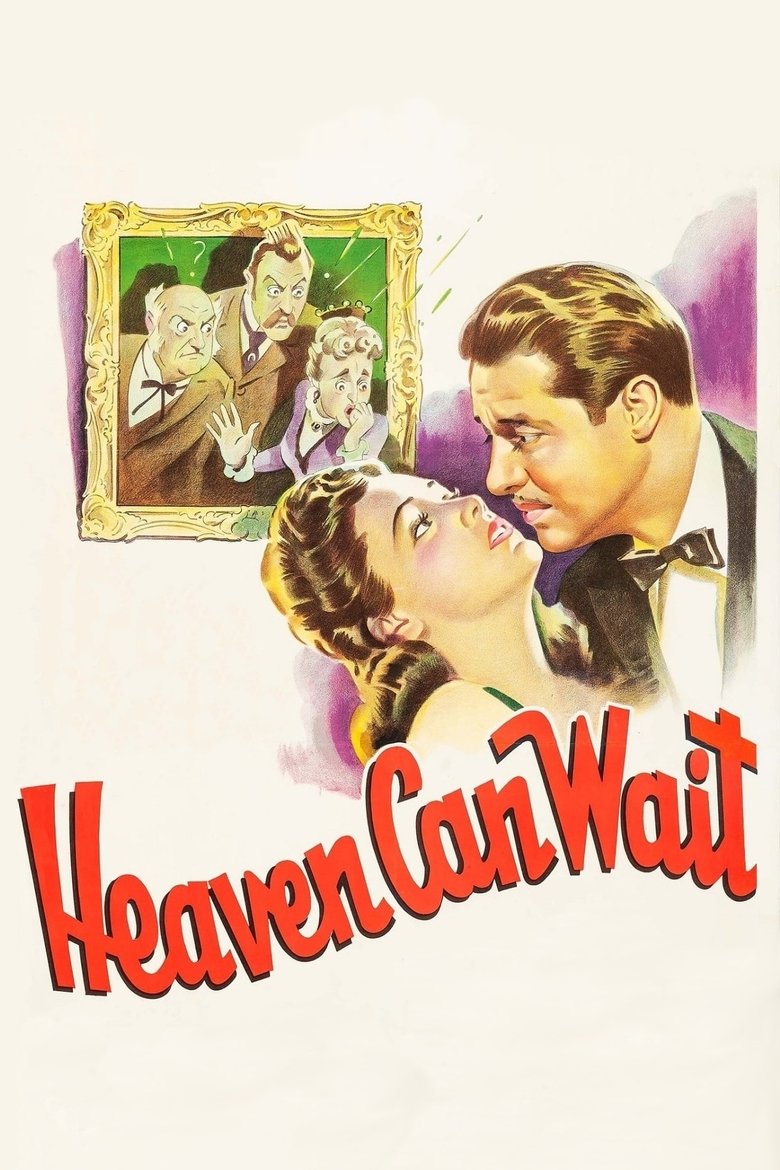
Heaven Can Wait stands out as a top fantasy film of 1943 due to its unique storyline and exceptional performances. Directed by Ernst Lubitsch, this film blends fantasy with romance and comedy, telling the story of a man who arrives at the gates of Hell, believing he's meant to be there, and recounts his life story to see if he truly belongs.
Why It Still Works
The film's charm lies in its witty dialogue and the 'Lubitsch Touch'—a style characterized by subtle humor and sophisticated storytelling. Don Ameche's portrayal of Henry Van Cleve is both endearing and humorous, capturing the complexity of a man reflecting on his life.
Collector's Notes
For collectors, Heaven Can Wait is a treasure not only for its engaging narrative but also for its historical significance. The film was nominated for three Academy Awards, including Best Picture, making it a coveted addition to any classic film collection.
A Blending of Fantasy and Reality
The Man from Down Under offers a fascinating mix of fantasy elements and wartime drama. Directed by Robert Z. Leonard, the film follows the story of a World War I veteran who adopts two orphans and raises them in Australia. While the film primarily focuses on drama, its fantasy elements lie in the depiction of an idealistic and idyllic life down under.
Why It Still Works
This film resonates with audiences due to its heartfelt performances and the way it intertwines personal stories with broader historical events. Charles Laughton's portrayal of the gruff yet lovable father figure is particularly memorable.
Collector's Notes
Collectors prize this film for its unique narrative and the way it captures the era's spirit. It's a lesser-known gem that provides insight into the storytelling styles of the early 1940s, making it a valuable piece for historical film enthusiasts.
A Melodic Fantastical Romance
Although not a fantasy in the traditional sense, The Constant Nymph incorporates elements of romantic fantasy through its ethereal music and tragic love story. Directed by Edmund Goulding, the film tells the story of an unrequited love between a young composer and a girl who inspires his music.
Why It Still Works
The film is notable for its emotional depth and the hauntingly beautiful music that forms the backbone of its narrative. Joan Fontaine's performance earned her an Academy Award nomination, and her chemistry with Charles Boyer adds to the film’s allure.
Collector's Notes
For collectors, The Constant Nymph is significant due to its exploration of romantic themes through a fantastical lens. The film's soundtrack, a crucial component of its storytelling, is a highlight for music and cinema enthusiasts alike. This makes it a noteworthy acquisition for those interested in films where music plays a central role.
Artistic Inspiration and Fantasy
Adapted from W. Somerset Maugham's novel, The Moon and Sixpence weaves fantasy with the artistic journey of a painter inspired by Paul Gauguin. The film explores themes of obsession and creativity, set against exotic backdrops that enhance its fantastical elements.
Why It Still Works
George Sanders delivers a captivating performance as the enigmatic artist who abandons his family for his passion. The film’s exploration of the artist's psyche and the sacrifices made for art resonate with audiences, making it a timeless piece.
Collector's Notes
Collectors value this film for its artistic narrative and the way it captures the essence of the creative struggle. Its visual style and thematic depth offer a unique viewing experience, appealing to those who appreciate films that delve into the complexities of artistic passion.
Anthology of the Unseen and Unbelievable
Flesh and Fantasy is a standout fantasy film from 1943, known for its anthology format featuring three separate yet connected stories. Directed by Julien Duvivier, the film explores themes of fate, dreams, and the supernatural.
Why It Still Works
Each segment of the film offers a distinct narrative with twists that keep viewers engaged. The film's exploration of the mystical and the unknown taps into universal human curiosities about destiny and the supernatural.
Collector's Notes
Collectors cherish Flesh and Fantasy for its unique storytelling structure and its ability to blend different fantasy elements into a cohesive whole. The film's segments feature performances by notable actors of the era, adding to its appeal as a historical and cinematic artifact.
Wartime Fantasy with a Social Message
While The North Star primarily serves as a wartime drama, its portrayal of an idealized Soviet village gives it a fantastical element. Directed by Lewis Milestone, the film was designed as wartime propaganda, yet it projects a utopian vision that borders on fantasy.
Why It Still Works
The film is notable for its ambitious scope and the way it blends musical and dramatic elements to tell a story of resistance and hope. The performances and music, particularly the score by Aaron Copland, elevate its narrative.
Collector's Notes
For collectors, The North Star is intriguing due to its historical context and the way it reflects the era's political climate. Its unique mix of fantasy and propaganda offers a glimpse into how cinema was used as a tool for inspiration and motivation during challenging times.
A Classic Tale of Mystery and Music
The 1943 version of Phantom of the Opera adds a splash of color to the classic story, combining elements of horror and fantasy. Directed by Arthur Lubin, this adaptation brings the haunting tale of the masked phantom to vivid life.
Why It Still Works
This film is renowned for its lavish production and the operatic performances within it. Claude Rains' portrayal of the tragic Phantom adds depth to the character, making the film a memorable cinematic experience.
Collector's Notes
Collectors appreciate this version for its Technicolor presentation, which was a rarity at the time. The film’s production design and musical sequences are highlights, making it a must-have for fans of classic horror and fantasy cinema.
Musical Fantasies and Romantic Escapades
Girl Crazy combines elements of fantasy through its vibrant musical numbers and comedic storyline. Directed by Norman Taurog and Busby Berkeley, the film stars Judy Garland and Mickey Rooney in a lighthearted musical romp.
Why It Still Works
The film is celebrated for its catchy songs and dynamic performances. Garland and Rooney's chemistry and the film's comedic elements provide a delightful escape into a world of song and dance.
Collector's Notes
For collectors, Girl Crazy is a classic example of MGM's musical productions. Its entertaining musical numbers and the star power of Garland and Rooney make it a prized possession for fans of musicals and classic cinema.
A Heavenly Musical Fantasy
Cabin in the Sky offers a blend of fantasy and musical elements, directed by Vincente Minnelli. The film features an all-African American cast and explores themes of redemption and morality through a fantastical narrative.
Why It Still Works
The film is significant for its cultural impact and its portrayal of African American performers in a positive light. Ethel Waters and Eddie 'Rochester' Anderson deliver standout performances, supported by memorable musical numbers.
Collector's Notes
Collectors value Cabin in the Sky for its groundbreaking representation and its place in cinematic history. The film's combination of music and fantasy, along with its social significance, makes it an essential addition to collections focused on diverse and historically important films.
A Blend of Romance and Imagination
The Sky's the Limit features elements of fantasy through its wartime romance narrative. Directed by Edward H. Griffith, the film stars Fred Astaire in a role that combines charm with the fantasy of romance amidst the backdrop of World War II.
Why It Still Works
Astaire's performance, along with the film's musical numbers, provides an enchanting escape from reality. The film's themes of love and hope resonate with audiences, offering a lighthearted take on wartime life.
Collector's Notes
For collectors, The Sky's the Limit holds value for its musical performances and Astaire's involvement. It captures a unique blend of fantasy and reality, making it a noteworthy piece for those interested in wartime cinema and classic musicals.
Embracing the Fantastical Past
The fantasy films of 1943 offer a fascinating glimpse into a time when cinema was both an escape and a reflection of the world. These films, with their imaginative storytelling and unique styles, continue to captivate audiences and collectors alike. From ethereal romances to musical escapades, they showcase the breadth of creativity that filmmakers brought to the screen during a challenging era. Whether you're a seasoned collector or a casual movie fan, exploring these films provides not only entertainment but also a deeper appreciation for the rich tapestry of film history. So, why not add a touch of 1943 fantasy to your collection today?