Top 10 Horror Movies of the 1920s
Top 10 Horror Movies of the 1920s
Explore the Haunting World of 1920s Horror Cinema
The 1920s were a transformative decade for horror films, marking the transition from stage-bound productions to the expansive possibilities of cinema. This era saw the birth of many horror tropes and techniques that continue to influence the genre today. Silent films reigned supreme, and directors utilized expressionistic visuals to convey fear and suspense. As sound was still in its infancy, filmmakers relied heavily on visual storytelling, creating an atmospheric experience that spoke volumes without uttering a word. Collectors and enthusiasts of film history regard this period as a treasure trove of groundbreaking creativity. In this list, we dive into the top 10 horror movies of the 1920s that not only terrified audiences of their time but also laid the groundwork for the horror films we know and love today. Whether you're a seasoned collector or a casual fan, these films are essential viewing for anyone interested in the evolution of horror cinema.
Why It Still Works
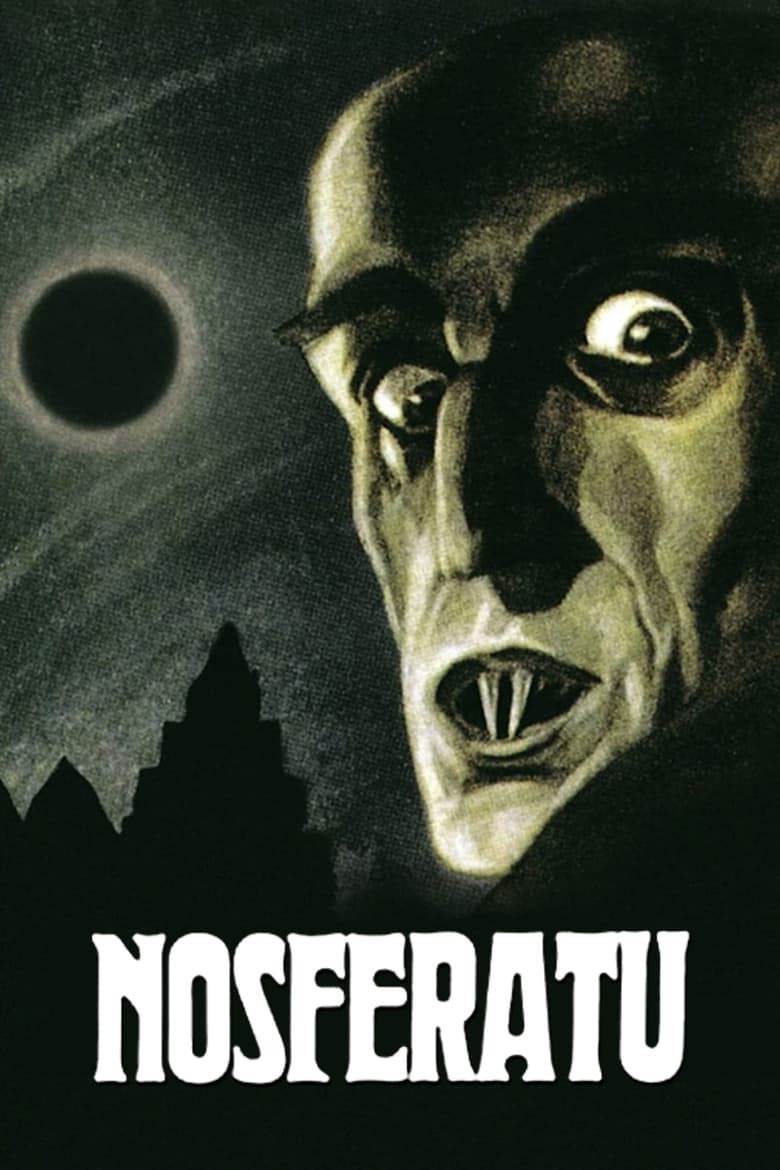
F.W. Murnau's Nosferatu is often considered the quintessential vampire film, establishing many of the conventions that would define the genre. Its unauthorized adaptation of Bram Stoker's Dracula brought the vampire mythos to the silver screen with Max Schreck's haunting portrayal of Count Orlok. The film's expressionistic style, eerie shadows, and oppressive atmosphere have left a lasting legacy on horror cinema.
Collector's Notes
For collectors, Nosferatu is a must-have not only because of its historical significance but also due to its aesthetic brilliance. The film is often available in restored editions that highlight its stunning visual composition, making it a centerpiece for any serious film collection.
Why It Still Works
The Cabinet of Dr. Caligari is a landmark in German expressionist cinema, renowned for its distorted sets and surreal visuals that mirror the psychological horror of its narrative. Directed by Robert Wiene, the film tells the story of a hypnotist who uses a somnambulist to commit murders. Its twisted, dreamlike quality has influenced countless filmmakers and is often cited as the first true horror film.
Collector's Notes
This film is essential for collectors due to its groundbreaking visual style. Its influence can be seen in everything from film noir to modern horror cinema. Collecting various editions can provide insights into the film's restoration and preservation over the years.
Why It Still Works
Starring Lon Chaney, The Phantom of the Opera is a classic tale of unrequited love and haunting beauty. Set in the Paris Opera House, Chaney's transformative performance and groundbreaking makeup work make this film a standout. The film’s elaborate set design and the dramatic reveal of the Phantom's disfigured face are iconic moments in horror history.
Collector's Notes
For collectors, this film represents the magic of early Hollywood special effects and star power. Various releases often include restored versions with added scores, enhancing its dramatic impact. It's a centerpiece for any horror collection, showcasing the artistry of early cinema.
Why It Still Works
Benjamin Christensen’s Häxan, also known as Witchcraft Through the Ages, is a unique blend of documentary and horror that explores the history of witchcraft and demonology. Its eerie reenactments and bold visual style were groundbreaking for the time, offering a controversial yet fascinating look at superstition and fear.
Collector's Notes
Collectors prize Häxan for its innovative approach to storytelling and its historical significance. It's often featured in editions that include commentary and essays, providing context to its controversial release and reception. Owning a copy of Häxan offers a glimpse into the daring experimentation of 1920s cinema.
Why It Still Works
Directed by Paul Wegener and Carl Boese, The Golem is a seminal work of Weimar cinema. This silent film tells the story of a clay creature brought to life to protect the Jewish community of Prague. Its themes of creation and control resonate deeply, while its special effects and set designs continue to impress.
Collector's Notes
The Golem is a must-have for its historical and cultural significance. Collectors appreciate the film's pioneering use of special effects and its influence on later monster movies. Restored versions often include detailed notes on its production and impact, making it a fascinating addition to any collection.
Why It Still Works
Paul Leni's The Cat and the Canary blends horror and comedy in a way that was innovative for its time. The story follows a group of potential heirs who gather at a decrepit mansion to hear the reading of a will, only to find themselves targeted by a mysterious killer. The film's use of shadow and light, along with its suspenseful pacing, make it a precursor to the 'old dark house' genre.
Collector's Notes
Collectors value this film for its successful fusion of humor and horror. It often comes packaged with informative extras that delve into its production and influence. Owning a copy not only enriches a collection but also provides insight into the evolution of genre-blending in cinema.
Why It Still Works
Another masterpiece by F.W. Murnau, Faust is a visually stunning adaptation of Goethe's classic tale of temptation and redemption. The film's striking imagery and innovative special effects create an otherworldly atmosphere that captures the epic struggle between good and evil.
Collector's Notes
Faust is a prized possession for collectors due to its artistic achievements. Restored versions often highlight Murnau's visionary direction and the film's intricate set designs. As a cornerstone of silent cinema, owning Faust is essential for appreciating the visual sophistication of 1920s films.
Why It Still Works
Directed by Tod Browning, The Unknown stars Lon Chaney as a circus performer with a dark secret. The film is notable for its gripping storyline and Chaney's intense performance, which explores themes of obsession and identity. Its unconventional narrative and psychological depth set it apart in the horror genre.
Collector's Notes
For collectors, The Unknown is a gem due to Chaney's remarkable acting and Browning's daring direction. Available editions often include contextual essays and behind-the-scenes details, adding depth to its appreciation. This film is a testament to the innovative spirit of 1920s cinema, making it a valuable addition to any collection.
Why It Still Works
Directed by Paul Leni, The Man Who Laughs is a haunting tale of tragedy and love, featuring Conrad Veidt as a disfigured man whose perpetual grin masks a life of sorrow. The film's gothic atmosphere and poignant storytelling have earned it a place in horror history.
Collector's Notes
Collectors seek out The Man Who Laughs for its emotional depth and visual style. Its influence on the horror genre and pop culture, particularly the creation of iconic characters, adds to its appeal. Editions often include restored visuals and audio, enhancing the film's haunting beauty. It's an essential piece for those interested in the origins of horror's psychological exploration.
Why It Still Works
Jean Epstein's The Fall of the House of Usher is a French adaptation of Edgar Allan Poe's classic tale. The film's surreal visuals and poetic narrative capture the eerie atmosphere of Poe's story. Its use of slow motion and dreamlike sequences creates a haunting experience that lingers long after viewing.
Collector's Notes
This film is a must-have for collectors interested in literary adaptations and experimental cinema. Its unique approach to storytelling and visual effects make it a standout in the 1920s horror landscape. Editions often include commentary and analysis, offering deeper insights into its artistic achievements and lasting impact.
Embrace the Origins of Horror
The 1920s were a pivotal time for horror cinema, laying the groundwork for the genre's evolution over the decades. Each film in this list offers a unique glimpse into the creativity and innovation that defined the era. From iconic monsters to psychological thrillers, these movies continue to influence filmmakers and captivate audiences. For collectors, they represent a rich tapestry of cinematic history and artistic achievement. As you explore these classic films, consider not only their impact on the horror genre but also their enduring appeal. Whether you're building a collection or simply indulging in a cinematic journey, these films are essential viewing for anyone with a passion for horror.