Top 10 Horror Movies of 1936
Top 10 Horror Movies of 1936
Exploring the Spooky Silver Screen of 1936
The year 1936 was an intriguing period for horror films. During this time, the horror genre was still defining itself, gradually moving away from the silent era and embracing sound and dialogue to enhance the eerie atmosphere. In 1936, filmmakers were crafting narratives that mixed gothic elements with modern fears, creating a fascinating blend that continues to captivate audiences. These films laid the groundwork for many tropes and techniques that would become staples in the genre. For collectors, 1936 offers a year rich in historical significance and cinematic innovation, making it a treasure trove of classic horror. Let's explore the top 10 horror films from this pivotal year and see what makes them special.
Why It Still Works
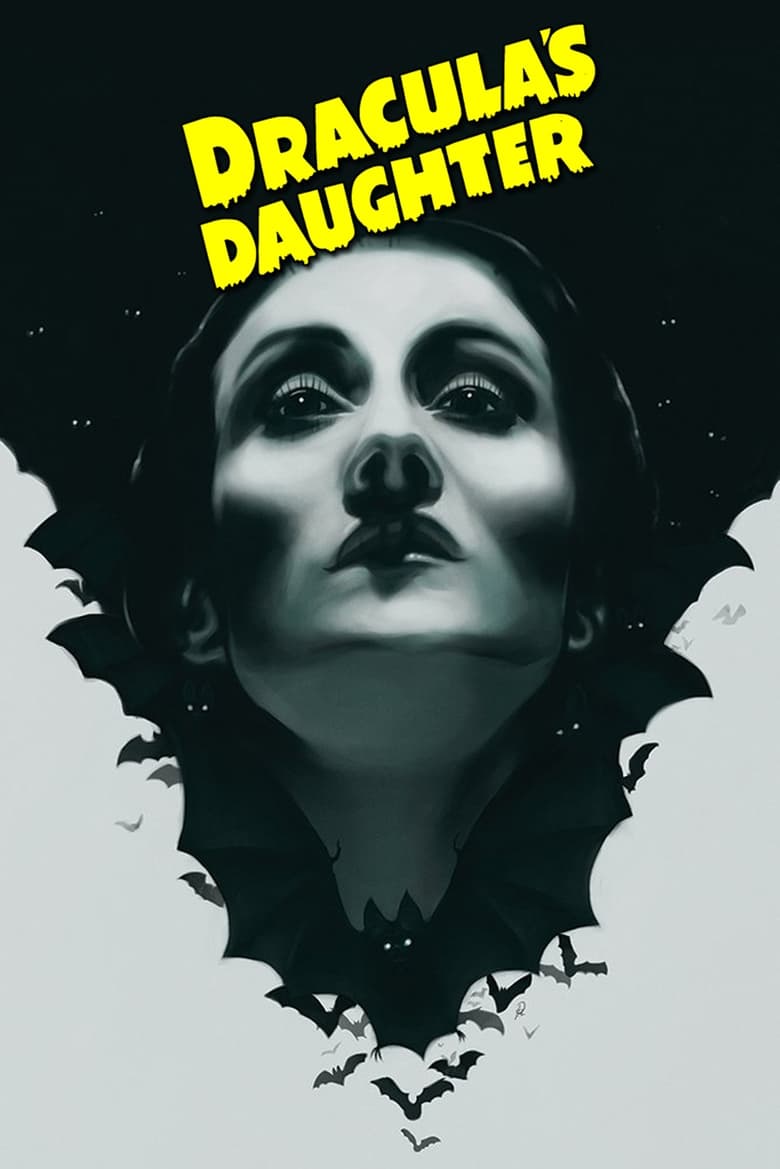
"Dracula's Daughter" is often heralded as a classic sequel that successfully expands the Dracula mythos. The film picks up directly where "Dracula" (1931) left off, exploring the psychological and supernatural conflicts of Countess Marya Zaleska, played brilliantly by Gloria Holden. Her haunting performance and the film's atmospheric direction make it a standout.
Collector's Notes
For collectors, this film is a must-have due to its historical significance as one of the earliest vampire movies to explore the inner conflicts of its undead protagonist. Its poignant themes of identity and duality are timeless, making it a fascinating study. The film's gothic cinematography and mood have inspired countless other works in the genre.
Why It Still Works
Directed by the legendary Tod Browning, "The Devil-Doll" combines elements of horror and science fiction in an innovative tale of revenge and redemption. The film stars Lionel Barrymore as a fugitive who uses miniaturization technology to exact vengeance on his enemies. It's a unique narrative that keeps viewers engaged from start to finish.
Collector's Notes
For aficionados of early horror, "The Devil-Doll" is significant for Browning's distinctive style and its advanced special effects for the time. The film's mix of horror and fantasy, as well as its unique storyline, make it a prized addition to any collection. Its influence can be seen in later films that explore the darker side of science and technology.
Why It Still Works
"The Invisible Ray" is a fascinating entry in the horror genre, featuring Boris Karloff and Bela Lugosi, two titans of horror cinema. The film tells the story of a scientist who discovers a new element that gives him the power to kill with a touch. Karloff's portrayal of the tortured Dr. Rukh is both chilling and tragic.
Collector's Notes
The film is a collector's gem for its star-studded cast and its exploration of the dangerous potential of scientific discovery. The collaboration between Karloff and Lugosi is legendary, making this film a must-have for fans of classic horror cinema. It offers a deep dive into themes of ambition and madness, wrapped in the allure of early sci-fi horror.
Why It Still Works
"Revolt of the Zombies" ventures into the exotic and mysterious, utilizing the then-popular fascination with zombies. This film takes place in Cambodia with a plot revolving around reanimating the dead for military purposes. While not as well-regarded as other zombie films, it remains a curious artifact of its time.
Collector's Notes
For collectors, this film is intriguing for its early exploration of the zombie mythos, predating the modern zombie genre. Its setting and storyline offer a unique look at how zombies were perceived in the early 20th century, making it a fascinating piece for those interested in the evolution of horror tropes.
Why It Still Works
No, it's not related to the modern TV series, but "The Walking Dead" of 1936 is a horror gem starring Boris Karloff as a wrongfully executed man brought back to life. The film explores themes of justice and revenge, with Karloff giving a performance that's both menacing and sympathetic.
Collector's Notes
Horror collectors value this film for its compelling narrative and Karloff's masterful performance. The film's combination of horror and drama, alongside its ethical quandaries, offers viewers a rich and thought-provoking experience. It stands as a testament to the versatility of early horror cinema.
Why It Still Works
Based on Edgar Allan Poe's "The Premature Burial," "The Crime of Dr. Crespi" delivers suspense and eerie thrills. The film features Erich von Stroheim as the sinister Dr. Crespi, whose obsession with his patient leads to horrifying consequences. It's a chilling tale of psychological horror and obsession.
Collector's Notes
Collectors appreciate this film for its atmospheric tension and von Stroheim's captivating performance. Its roots in Poe's literature add a layer of intrigue, making it a desirable piece for those interested in adaptations of classic horror stories. The film's ability to build suspense and its psychological depth make it an essential addition to any classic horror collection.
Why It Still Works
Starring Boris Karloff, "The Man Who Changed His Mind" is a British horror film that delves into the mad scientist trope. The plot follows Dr. Laurience, who develops a technique for mind transference, leading to chaos and moral dilemmas.
Collector's Notes
This film is a treat for collectors due to its exploration of identity and consciousness, themes that continue to resonate in modern sci-fi and horror. Karloff’s performance as a scientist driven by ambition and hubris adds depth to the film, making it a captivating watch. Its innovative narrative and exploration of the human psyche make it a valuable addition to any collection.
Why It Still Works
"The House of Secrets" blends mystery and horror, offering a thrilling narrative set in a supposedly haunted house. The film's suspenseful plot keeps viewers guessing, with unexpected twists and eerie atmospheres.
Collector's Notes
For collectors, this film holds appeal due to its engaging storyline and classic mystery elements. Its ability to blend horror with a detective story offers a unique viewing experience that highlights the versatility of 1930s cinema. The film’s atmospheric tension and plot intrigue make it a delightful piece for those who enjoy early cinematic mysteries.
Why It Still Works
Set in an isolated inn, "The Rogues Tavern" combines elements of horror and mystery as guests are trapped with a murderer among them. It’s a classic whodunit with a chilling atmosphere and suspenseful pacing.
Collector's Notes
Collectors find "The Rogues Tavern" intriguing for its blend of horror and mystery, showcasing a different side of 1930s horror that leans heavily on suspense and character interaction. Its setting and premise are reminiscent of classic detective tales, appealing to fans of both genres. The film's unique approach to blending horror with mystery makes it a noteworthy piece for collectors.
Why It Still Works
Although technically released in 1935, "The Black Room" had significant influence and viewership in 1936, making it relevant to this list. This film features Boris Karloff in dual roles as twin brothers in a tale of murder and deceit. The film's gothic style and Karloff's performance are captivating.
Collector's Notes
Collectors value "The Black Room" for its atmospheric gothic elements and Karloff's dynamic portrayal of the dual roles. The narrative's darker themes and the film's stylistic approach make it a poignant example of early horror cinema. Its intricate plot and character dynamics offer a compelling viewing experience that enhances any horror film collection.
Wrapping Up the Chills of 1936
The horror films of 1936 offer a fascinating glimpse into the evolution of the genre, marrying classic gothic elements with emerging cinematic techniques. These films continue to captivate audiences with their atmospheric storytelling and pioneering narratives. For collectors, this year offers a rich tapestry of historical and cultural significance, providing a window into the fears and imaginations of an era. Whether it's the chilling presence of Karloff or the innovative concepts of early sci-fi horror, these films remain essential viewing. As you explore these classics, you are not only collecting films but preserving a piece of cinema history that continues to influence the genre today.