Top 10 Horror Movies of 1960
Top 10 Horror Movies of 1960
A Chilling Year in Horror Cinema
The year 1960 was pivotal for horror films, marking a transformative period where traditional gothic horror gave way to more psychological and innovative narratives. Directors began experimenting with new storytelling techniques, and the result was a collection of films that would go on to become classics. From groundbreaking suspense to chilling atmospheres, 1960 set the stage for a new era in horror. Whether you're a movie buff or a collector, these films are more than just entertainment; they are historical milestones that continue to influence the genre today. Let's dive into the top 10 horror movies of this iconic year.
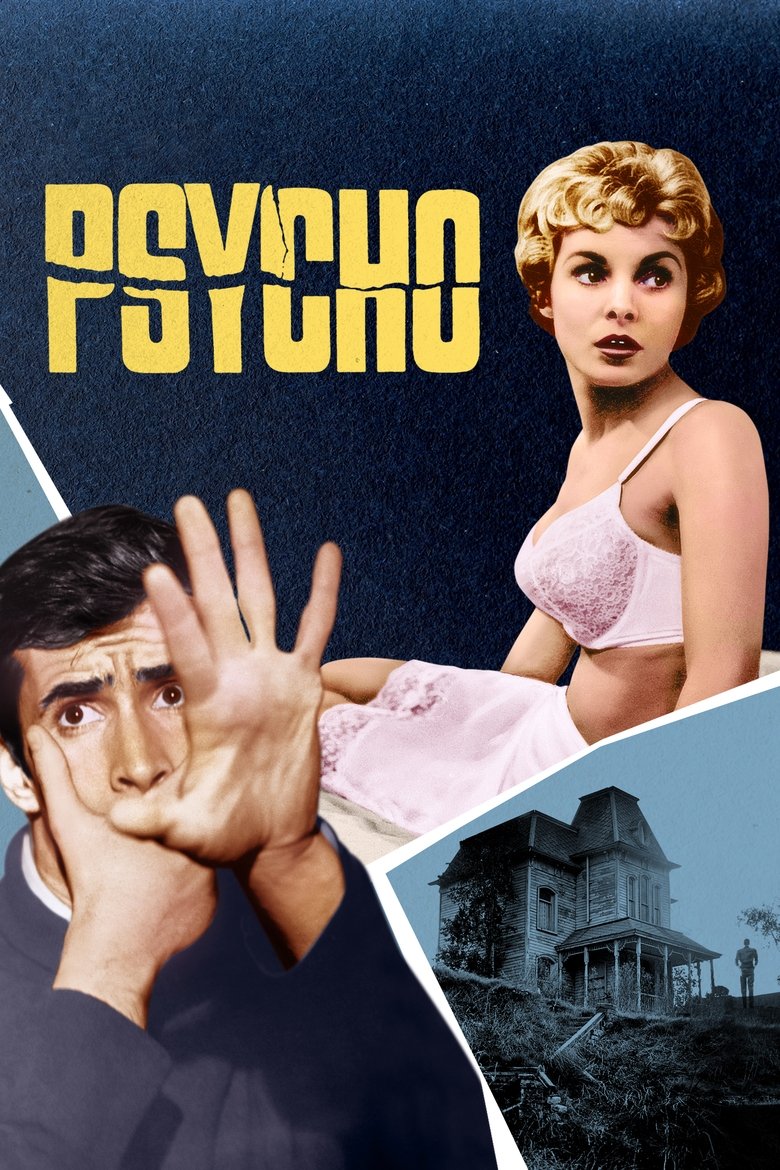
1. Psycho (1960)
Why It Still Works
Alfred Hitchcock's Psycho is a masterpiece that redefined the horror genre. Its shocking plot twists and intense suspense captivated audiences and critics alike. The infamous shower scene remains one of the most iconic moments in film history, showcasing Hitchcock's prowess in building tension. The film's exploration of the dark recesses of the human psyche, through the character of Norman Bates, introduced a new kind of horror villain—one who was disturbingly relatable.
Hitchcock's use of black-and-white film, even as color films were becoming the norm, added to the stark, unsettling atmosphere. The film's score, composed by Bernard Herrmann, uses piercing strings to heighten the sense of dread, particularly during the infamous shower scene. This combination of narrative, visual, and auditory elements cements Psycho as a timeless piece of cinema.
Collector's Notes
For collectors, Psycho is a must-have. The film's impact on the genre and its cultural significance make it a prized possession. Original posters and first edition prints of the film are highly sought after, often fetching high prices at auctions. The original soundtrack on vinyl, given its iconic status, is another valuable collector's item. Memorabilia such as lobby cards, behind-the-scenes photographs, and even replicas of the Bates Motel are also treasured by fans and collectors alike.
2. The House of Usher (1960)
Gothic Elegance
Directed by Roger Corman, The House of Usher is an adaptation of Edgar Allan Poe's classic tale. With Vincent Price's haunting performance and the film's atmospheric visuals, it exemplifies gothic horror at its finest. The film's use of color, with its vivid reds and deep shadows, enhances the sense of decay and madness that permeates the story. Corman's direction brings a theatrical quality to the film, capturing the psychological torment of the characters in a way that is both beautiful and disturbing.
The film explores themes of family, legacy, and the inescapable nature of madness. Vincent Price's portrayal of Roderick Usher is both sympathetic and terrifying, capturing the character's inner conflict and descent into insanity.
Collector's Notes
Collectors cherish this film for its beautiful cinematography and Price's unforgettable role. Original lobby cards and promotional materials are particularly valuable, offering a glimpse into the film's rich aesthetic. First edition film reels and vintage posters, especially those featuring Vincent Price, are highly collectible. Additionally, rare behind-the-scenes footage or interviews with the cast and crew provide deeper insights into the film's production and enduring appeal.
3. Peeping Tom (1960)
Ahead of Its Time
Peeping Tom was controversial upon release, but it's now hailed as a psychological thriller that was ahead of its time. Directed by Michael Powell, the film delves into voyeurism and the nature of fear, challenging audiences to confront their own discomfort. The story of a cameraman who films his murders was met with outrage upon release, but over time, it has been reevaluated as a profound exploration of the voyeuristic nature of cinema itself.
The film's protagonist, Mark Lewis, is a complex figure whose traumatic past drives him to commit heinous acts. Powell's direction invites viewers to question their own complicity as spectators, making them aware of the fine line between observation and intrusion.
Collector's Notes
For collectors, the film's initial controversy and subsequent reevaluation make it a fascinating piece. Collecting early reviews and articles can provide insight into the cultural shift over the years. Original film posters, particularly those from its initial release, are rare and valuable. Additionally, early press kits and promotional materials, which reflect the film's tumultuous reception, are prized by collectors interested in the history of cinema censorship and public perception.
4. Black Sunday (1960)
Italian Horror's Rise
Mario Bava's Black Sunday is a visually stunning Italian horror film that laid the groundwork for the giallo genre. Its striking black-and-white cinematography and eerie atmosphere capture the essence of gothic horror. The film's opening sequence, featuring a witch being burned at the stake, sets a tone of dread that pervades the entire film. Bava's innovative camera work and lighting techniques create a hauntingly beautiful visual experience that continues to influence filmmakers today.
The film stars Barbara Steele, whose dual role as the vengeful witch and her innocent descendant highlights themes of identity and revenge. Black Sunday combines supernatural elements with psychological horror, creating a narrative that is both terrifying and tragic.
Collector's Notes
Collectors value Black Sunday for its pioneering role in Italian horror. Original Italian posters and first-pressing soundtracks are particularly treasured, celebrating the film's lasting influence. Memorabilia such as signed photographs of Barbara Steele or original costume sketches are also highly sought after. The film's influence on the giallo genre makes any related collectibles, such as early interviews with Mario Bava or production notes, of great interest to enthusiasts.
5. Village of the Damned (1960)
Chilling Concept
Village of the Damned presents a chilling narrative about a town where all the children are born with eerie powers. The film's unsettling atmosphere and thought-provoking storyline continue to intrigue audiences. The children, with their blond hair and piercing eyes, embody an otherworldly menace that leaves viewers questioning the boundaries of humanity and morality.
The film explores themes of conformity and fear of the unknown, reflecting societal anxieties of the time. The story's tension arises from the townspeople's growing realization that these seemingly innocent children pose a grave threat.
Collector's Notes
The film is a favorite among collectors for its unique premise and the memorable portrayal of the children. Collecting memorabilia such as lobby cards or vintage prints can be a rewarding pursuit for fans of classic sci-fi horror. Original props, such as the children's costumes or set designs, are rare and valuable. Additionally, first edition copies of the novel by John Wyndham, on which the film is based, are a prized addition to any collection.
6. 13 Ghosts (1960)
A Gimmick of Wonder
William Castle's 13 Ghosts is best known for its "Illusion-O" technique, where audiences used special glasses to see the ghosts on screen. This innovative approach added a new dimension to the film-going experience. Castle's flair for showmanship turned the film into an interactive event, with audiences eagerly participating in the supernatural spectacle.
The film itself tells the story of a family that inherits a haunted house, blending comedy and horror in a way that was characteristic of Castle's work. The ghosts, each with their unique backstory, add depth to the film's narrative and contribute to its enduring charm.
Collector's Notes
Collectors find 13 Ghosts intriguing due to its unique marketing gimmick. Original "Illusion-O" glasses and promotional items are highly collectible, offering a tangible connection to the film's interactive legacy. Posters and lobby cards that highlight the "Illusion-O" experience are particularly sought after. Additionally, any surviving props or behind-the-scenes footage that showcase Castle's innovative techniques add significant value to a collection.
7. The Brides of Dracula (1960)
Hammer Horror's Charm
A follow-up to Dracula, this Hammer Film production features lavish sets and costumes that epitomize the studio's gothic style. Although Dracula himself doesn't appear, the film's atmosphere and storytelling hold their own. The story centers on a young teacher who becomes embroiled in a vampire's curse, offering a fresh take on the vampire mythos.
The film's rich color palette and dramatic lighting are hallmarks of Hammer's style, creating a visually stunning experience. The performances, particularly by Peter Cushing as Van Helsing, add depth and gravitas to the story.
Collector's Notes
Fans of Hammer Horror appreciate The Brides of Dracula for its craftsmanship and aesthetic. Collectible items like posters and film stills from this era showcase Hammer's iconic approach to horror. Rare promotional materials or props from the film set, such as costumes or set pieces, are highly valued. The film's connection to the broader Hammer Dracula series makes any related memorabilia, such as early scripts or production notes, a valuable addition to a collection.
8. The Two Faces of Dr. Jekyll (1960)
Duality and Depth
This Hammer Films adaptation of Robert Louis Stevenson's classic explores the duality of man with depth and sophistication. The film's unique take on the Jekyll and Hyde story adds a fresh perspective to a well-known tale. Rather than focusing solely on the horror of transformation, the film delves into the psychological and emotional turmoil of its protagonist.
The film's exploration of identity and morality is enhanced by its lush production design and compelling performances. The transformation sequences, in particular, are both visually striking and thematically rich, highlighting the internal struggle between good and evil.
Collector's Notes
Collectors admire this film for its nuanced portrayal and Hammer's distinct style. Memorabilia from the film, such as promotional materials and lobby cards, are prized for their connection to this classic story. Original film posters, especially those featuring the dual imagery of Jekyll and Hyde, are highly sought after. Additionally, any surviving props or set designs that illustrate the film's thematic elements add significant value to a collection.
9. Circus of Horrors (1960)
A Unique Setting
Circus of Horrors combines horror with the spectacle of the circus, offering a unique and unsettling backdrop for its story. The film's blend of drama and horror makes it a standout from the year. The story follows a disfigured plastic surgeon who uses the circus as a cover for his nefarious deeds, creating an atmosphere of tension and intrigue.
The film's setting allows for a rich exploration of themes such as vanity, deception, and the monstrous nature of humanity. The circus performers, each with their own secrets and fears, add depth to the narrative and create a sense of unease that permeates the film.
Collector's Notes
The film's distinctive setting and storyline make it a fascinating collectible. Posters and press materials are valued for their vibrant depiction of the circus, capturing the film's dark allure. Original props, such as costumes or circus equipment, are rare and highly prized. Additionally, any surviving interviews or behind-the-scenes footage that explore the film's unique production challenges add significant interest to a collection.
10. The City of the Dead (1960)
Atmospheric Thrills
Also known as Horror Hotel, this film is renowned for its atmospheric tension and eerie setting. The story of a young woman investigating witchcraft in a small town is both gripping and chilling. The film's use of fog and shadow creates a sense of claustrophobia and foreboding, drawing viewers into its haunting world.
The film explores themes of superstition, sacrifice, and the battle between good and evil. The town itself becomes a character, its dark past and sinister inhabitants adding to the film's unsettling atmosphere.
Collector's Notes
Collectors appreciate The City of the Dead for its atmospheric storytelling and classic horror elements. Original promotional materials, especially those highlighting the film's alternate title, are prized for their rarity and historical significance. First edition film reels or original scripts that capture the film's unique narrative style are highly sought after. Additionally, any surviving props or set designs that contribute to the film's eerie atmosphere add significant value to a collection.
A Legacy of Fear
The horror films of 1960 continue to resonate with audiences and collectors alike, offering a blend of innovation and classic storytelling. Each film on this list not only showcases the creativity of its filmmakers but also reflects the cultural and cinematic shifts of the time. For collectors, these movies represent more than just entertainment; they are pieces of history that continue to inspire and influence the genre today. Whether you're adding to your collection or simply exploring the roots of horror cinema, these films are essential viewing. Dive into these classics and experience the thrill of 1960s horror.
These films, through their storytelling, visual style, and thematic depth, have left an indelible mark on the horror genre. They continue to be studied and celebrated, not only for their entertainment value but also for their contribution to the evolution of cinematic horror. As new generations discover these classics, they carry forward the legacy of fear and fascination, ensuring that the horror cinema of 1960 remains a significant chapter in film history.