Top 10 Horror Movies of 1966
Top 10 Horror Movies of 1966
The Haunting Horrors of 1966
1966 was a fascinating year for horror films, marked by a blend of traditional Gothic elements and innovative storytelling techniques. The era was a time when filmmakers were experimenting with psychological horror, shocking visuals, and suspenseful narratives that have since become genre staples. As color film became the norm, directors utilized vibrant palettes to enhance the eerie atmospheres of their tales. For collectors, these films offer a glimpse into the evolving landscape of horror cinema, showcasing the transition from the classic horror of the '50s to the more experimental and psychological films of later decades. In this list, we explore the top 10 horror films from 1966 that have left a lasting impact on audiences and continue to be treasured by collectors today.
Why It Still Works
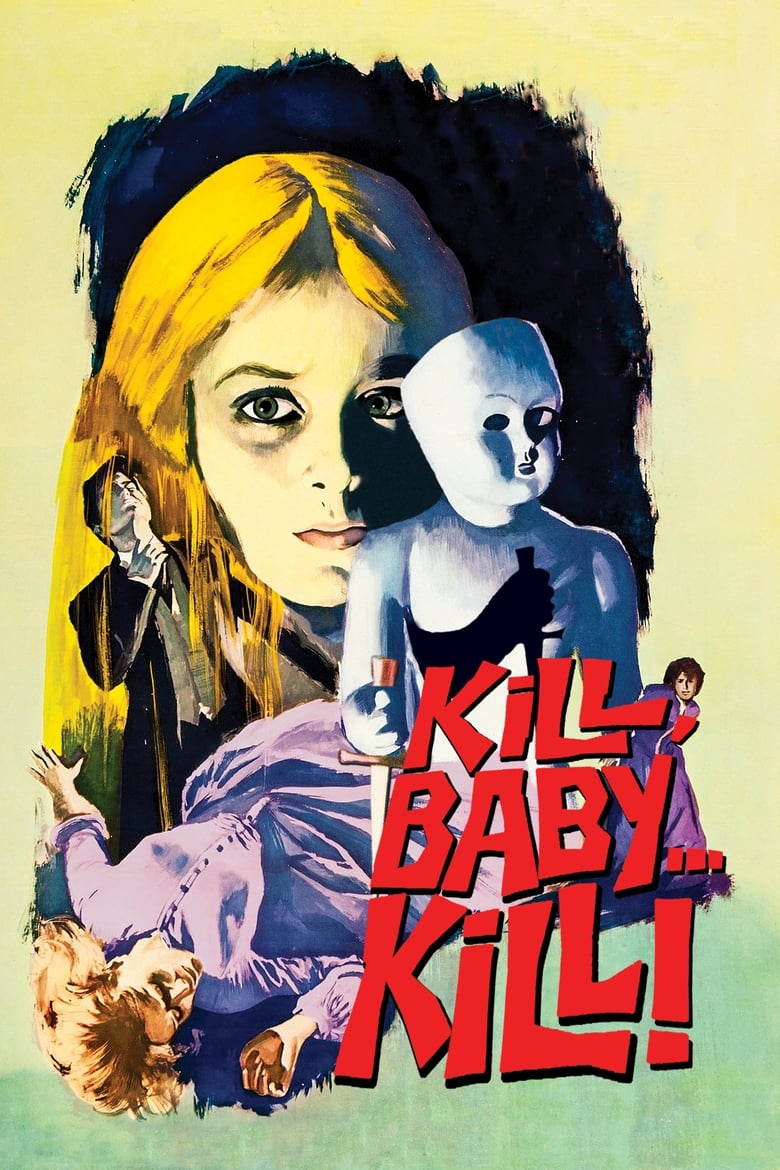
Mario Bava's Kill, Baby, Kill is often praised for its atmospheric visuals and haunting narrative. The film's use of color and light creates a dreamlike quality that enhances its eerie tale of a ghostly child haunting a small village. Bava's mastery of crafting tension and a sense of dread without relying heavily on dialogue is particularly impressive. The film's haunting score and innovative use of camera angles contribute to its chilling atmosphere, making it a standout piece in horror cinema. The recurring motif of the ghostly child, with her piercing gaze and ethereal presence, serves as a precursor to similar horror tropes that would become popular in later decades, particularly in J-horror.
Collector's Notes
For collectors, this film is a gem due to its influence on the horror genre, especially in Italy. It's a must-have for those interested in the evolution of horror cinematography and its impact on later films. The film's artistic approach, along with Bava's signature style, makes it a valuable addition to any collection. Moreover, owning a copy of Kill, Baby, Kill is not just about possessing a piece of horror history; it's about appreciating the artistry and pioneering techniques that have influenced countless filmmakers.
Why It Still Works
Directed by John Gilling, The Plague of the Zombies stands out for its unique approach to the zombie genre, predating the more famous Night of the Living Dead. Its depiction of zombies as a result of voodoo rather than a viral outbreak offers a refreshing take on the undead. The film's setting in a small Cornish village adds a layer of isolation and claustrophobia, heightening the tension and horror. The makeup and special effects, particularly for the zombies, were groundbreaking for the time and contributed significantly to the film's eerie atmosphere. The narrative cleverly intertwines themes of colonialism and exploitation, offering a subtle critique packaged within a horror framework.
Collector's Notes
This Hammer film is a key piece for collectors interested in the studio's work beyond its Dracula and Frankenstein series. Its rare depiction of zombies in the '60s makes it a notable entry in any horror collection. The film's ability to blend social commentary with horror elements ensures its continued relevance and appeal, making it a treasured find for enthusiasts of classic horror cinema.
Why It Still Works
A Hammer horror classic, this film resurrects Christopher Lee as Count Dracula in a performance that is both commanding and terrifying. The gothic sets and gripping plot ensure it remains a staple of vampire cinema. Lee's portrayal of Dracula is marked by his ability to convey menace and allure, creating a complex and captivating antagonist. The film's use of color and shadow enhances the gothic aesthetic, creating a visually stunning piece that captures the essence of classic vampire lore. The suspenseful narrative, with its themes of seduction and immortality, continues to captivate audiences.
Collector's Notes
For fans of Hammer productions, this film is indispensable. Its role in cementing Christopher Lee's legacy as Dracula makes it a crucial addition to any collection focused on vampire lore and classic horror. The film's influence on the portrayal of vampires in cinema cannot be overstated, and owning a copy allows collectors to appreciate the artistry and craftsmanship that defined Hammer's horror legacy.
Why It Still Works
This Italian horror film combines elements of mystery and the supernatural, creating a chilling atmosphere. The story of a haunted estate with a dark past is both intriguing and suspenseful. The film's ability to weave a tale of vengeance from beyond the grave with a sense of impending doom makes it a captivating watch. The atmospheric cinematography, with its use of fog and shadows, contributes to the film's eerie quality, drawing viewers into its unsettling world. The narrative's blend of horror and mystery keeps audiences engaged, as they unravel the secrets of the haunted estate.
Collector's Notes
As an example of Italian gothic horror, this film is a treasure for collectors. Its blend of horror and mystery makes it a unique addition to any collection focusing on international horror cinema. The film's exploration of themes such as betrayal and revenge, coupled with its atmospheric storytelling, ensures its place as a significant entry in the genre. Collectors will appreciate its contribution to the evolution of horror in Italy and its influence on later works.
Why It Still Works
Directed by Terence Fisher, Island of Terror presents a classic 'science goes wrong' narrative, featuring terrifying creatures that consume human bones. The isolated island setting adds to the suspense and horror. The film explores themes of scientific hubris and the unintended consequences of experimentation, a motif that resonates with audiences even today. The creature design, with its unique and unsettling appearance, adds to the film's chilling atmosphere. The narrative's focus on survival and the fight against an unknown menace creates a sense of urgency and tension that keeps viewers on edge.
Collector's Notes
This British sci-fi horror film is a great find for collectors who appreciate creature features. Its unique premise and special effects are a testament to the innovative spirit of '60s horror. The film's exploration of scientific ethics and its portrayal of humanity's struggle against unnatural forces make it a thought-provoking addition to any collection. Collectors will value its contribution to the genre and its role in shaping future sci-fi horror narratives.
Why It Still Works
Another gem from Hammer Films, The Reptile offers a fresh take on the creature feature genre, with a story involving cursed transformations into reptilian beings. Its atmospheric setting enhances the mystery and horror. The film's ability to blend horror with folklore and myth creates a rich narrative that captivates audiences. The creature design, with its unsettling appearance, adds to the film's eerie quality, while the underlying themes of transformation and identity add depth to the story. The film's suspenseful plot and atmospheric cinematography make it a compelling watch.
Collector's Notes
For those collecting Hammer films, this is a must-have due to its unique storyline and execution. Its exploration of myths and curses adds depth to any horror collection. The film's contribution to the creature feature subgenre and its ability to weave a narrative rich in symbolism and thematic complexity make it a valuable addition for collectors. Owning a copy allows enthusiasts to appreciate the craftsmanship and innovation that defined Hammer's horror legacy.
Why It Still Works
With a story set in space, Queen of Blood combines elements of sci-fi and horror, a precursor to the space horror genre. The film's eerie atmosphere and alien antagonist create a chilling experience. The narrative's exploration of isolation and the unknown, set against the backdrop of space, adds to the film's tension and suspense. The film's ability to blend horror with science fiction themes, such as first contact and extraterrestrial life, creates a unique and engaging story that captivates audiences. The film's innovative use of special effects and its atmospheric storytelling make it a significant entry in the genre.
Collector's Notes
Collectors interested in the intersection of science fiction and horror will find this film intriguing. Its role in influencing later space horror films makes it a significant addition. The film's exploration of humanity's fears of the unknown and its portrayal of extraterrestrial horror contribute to its enduring appeal. Collectors will value its contribution to the evolution of the sci-fi horror genre and its influence on later works, such as Alien and Event Horizon.
Why It Still Works
Featuring a mix of horror and detective genres, this film offers an engaging storyline with a villain who uses various gruesome devices. Its blend of suspense and horror keeps viewers on edge. The film's ability to weave a narrative filled with intrigue and terror makes it a captivating watch. The inventive use of 'horror gimmicks,' such as the "Fear Flasher" and "Horror Horn," heightens the suspense and creates a unique viewing experience. The film's ability to blend horror with elements of mystery and detective fiction creates a rich and engaging narrative that captivates audiences.
Collector's Notes
This film is a unique piece for collectors who enjoy genre-crossing narratives. Its inventive plot devices and period setting make it a captivating addition to any horror collection. The film's ability to blend horror with elements of mystery and detective fiction creates a rich and engaging narrative that captivates audiences. Collectors will appreciate its contribution to the evolution of horror cinema and its influence on later works that blend genres.
Why It Still Works
Directed by Freddie Francis, this film explores the horror of nature as swarms of killer bees terrorize a countryside. Its tension-filled plot and unusual premise make it stand out. The film's ability to blend ecological themes with horror elements creates a unique and engaging narrative that captivates audiences. The narrative's focus on survival and humanity's relationship with nature adds depth to the story, while the film's atmospheric cinematography and innovative use of special effects create a chilling and suspenseful experience.
Collector's Notes
Collectors seeking films with unique horror concepts will appreciate this film's ecological horror theme. Its place in the 'killer creature' subgenre ensures its relevance and appeal. The film's exploration of humanity's fears of nature and its portrayal of ecological horror contribute to its enduring appeal. Collectors will value its contribution to the evolution of the horror genre and its influence on later works, such as The Birds and Arachnophobia.
Why It Still Works
This film is a psychological thriller that delves into the depths of madness. With a plot involving lifelike dolls and a sinister puppeteer, it delivers a chilling narrative. The film's ability to explore themes of obsession and psychological manipulation creates a rich and engaging narrative that captivates audiences. The narrative's focus on the human psyche and its portrayal of madness add depth to the story, while the film's atmospheric cinematography and innovative use of special effects create a chilling and suspenseful experience.
Collector's Notes
For fans of psychological horror, this film is a must-have. Its eerie atmosphere and unique storyline make it a valuable part of any collection focusing on mind-bending horror. The film's exploration of the human psyche and its portrayal of madness contribute to its enduring appeal. Collectors will value its contribution to the evolution of the psychological horror genre and its influence on later works.
A Haunting Legacy
The horror films of 1966 continue to thrill and chill audiences with their inventive storytelling and atmospheric visuals. Each of these films offers a unique experience, whether it's through the use of gothic horror, psychological thrills, or innovative creature features. For collectors, these movies represent a pivotal time in horror cinema, where filmmakers were beginning to push the boundaries of what was possible on screen. As you explore these films, you'll discover the roots of modern horror and appreciate the creative efforts that have paved the way for today's genre classics. Whether you're a seasoned collector or a casual fan, these films are a testament to the enduring power of horror. By revisiting these classics, one can observe the foundational elements that continue to influence contemporary horror, from narrative structures to cinematic techniques, proving that the horror genre is as dynamic and transformative as ever.