Top 10 Horror Movies of the 1970s
Top 10 Horror Movies of the 1970s
A Decade of Terror: Horror Movies of the 1970s
The 1970s were a transformative time for the horror genre. This decade saw filmmakers push boundaries, exploring new themes and techniques that continue to influence the genre today. From psychological thrillers to slasher films, the 1970s introduced audiences to a new era of horror that was both terrifying and thought-provoking. With advances in special effects and a growing appetite for more intense scares, the horror films of this decade are not just terrifying but also culturally significant. Whether you're a seasoned collector or a casual fan, these films are essential viewing for anyone interested in the evolution of horror cinema.
The horror genre in the 1970s represented a new wave of creativity and boldness. Filmmakers were inspired by the societal changes and uncertainties of the era, such as the Vietnam War, the Watergate scandal, and the rise of counterculture movements. These elements influenced the themes and narratives of horror films, resulting in movies that were not only scary but also reflective of the anxieties of the time. This period marked a shift from traditional horror motifs to more complex and unsettling themes, including psychological horror, supernatural elements, and visceral violence.
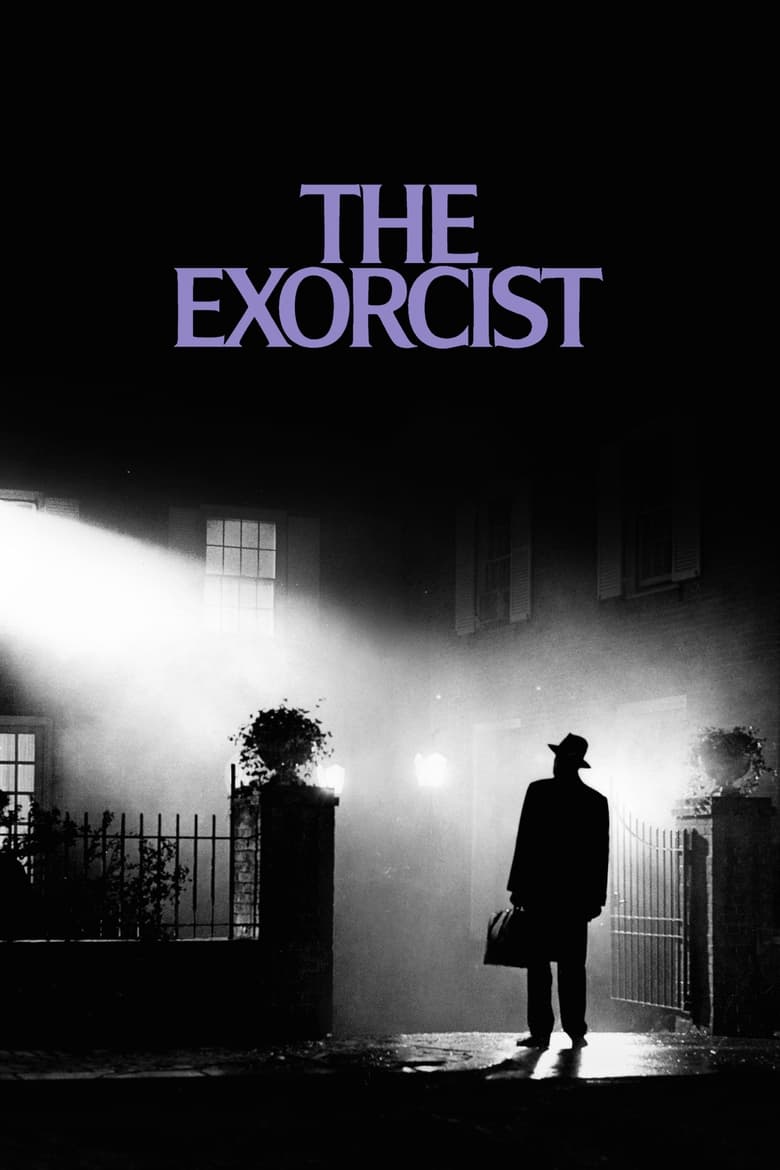
1. The Exorcist (1973)
Why It Still Works
The Exorcist remains one of the most terrifying films ever made. Its groundbreaking special effects and intense performances, particularly by Linda Blair, make it a cornerstone of horror cinema. The film doesn't just rely on jump scares; it creates a pervasive atmosphere of dread that lingers long after the credits roll. The story of a young girl possessed by a demonic entity and the subsequent exorcism performed by two priests taps into deep-seated fears about the unknown and the battle between good and evil.
The Exorcist's success lies in its ability to evoke primal fears through a combination of narrative, visual, and auditory elements. The film's unsettling imagery and haunting soundtrack, composed by Mike Oldfield, contribute to its enduring potency. Director William Friedkin's masterful use of suspense and pacing, along with his attention to detail in crafting realistic and disturbing scenes, has cemented The Exorcist as a timeless classic in the horror genre.
Collector's Notes
For collectors, The Exorcist is a must-have, not just for its historical significance but also for its numerous editions, including director's cuts and anniversary releases. Each version offers unique insights into the film's production and its impact on audiences over the decades. The film's legacy is further enriched by the wealth of supplementary materials available, such as interviews with the cast and crew, behind-the-scenes footage, and explorations of the cultural and religious themes that underpin the story.
2. Halloween (1978)
Why It Still Works
John Carpenter's "Halloween" is the quintessential slasher film that set the stage for countless imitators. With its iconic score and the menacing presence of Michael Myers, it continues to thrill audiences. Carpenter's use of suspense rather than gore makes it a timeless classic. The film's minimalist approach, focusing on tension and atmosphere, has influenced countless directors and remains a benchmark for the genre.
The story of "Halloween" revolves around the escape of Michael Myers, a masked killer who returns to his hometown to wreak havoc on Halloween night. Carpenter's direction, combined with the film's chilling score, creates an atmosphere of relentless dread. The character of Laurie Strode, played by Jamie Lee Curtis, introduced a new archetype in horror—the "final girl"—who stands as the last line of defense against the killer.
Collector's Notes
Collectors cherish "Halloween" for its influence on the genre and its various home video releases. Special editions often include fascinating behind-the-scenes documentaries, interviews, and commentary tracks, providing a deeper understanding of its enduring legacy. The film's impact on popular culture and its role in shaping the slasher genre make it a valuable addition to any horror collection.
3. Alien (1979)
Why It Still Works
Ridley Scott's "Alien" masterfully blends horror with science fiction. Its claustrophobic setting and the terrifying design of the alien creature create an unforgettable experience. The film's ability to maintain tension and fear makes it a standout in both genres. "Alien" redefined the space horror subgenre by introducing audiences to a world where no one can hear you scream.
The film's success is largely attributed to its innovative production design and the creation of the Xenomorph, one of cinema's most iconic monsters. H.R. Giger's biomechanical design of the creature, coupled with Scott's atmospheric direction, results in a film that is as visually stunning as it is terrifying. The story of the crew of the spaceship Nostromo, who encounter a deadly alien lifeform, is a harrowing tale of survival and terror.
Collector's Notes
For collectors, "Alien" offers a wealth of material, from elaborate box sets to behind-the-scenes footage. Its influence extends beyond cinema, impacting video games, literature, and more, making it a valuable piece of any collection focused on genre-defining films. The film's legacy is further enhanced by its sequels and expanded universe, which explore the mythology and impact of the alien creature.
4. The Texas Chain Saw Massacre (1974)
Why It Still Works
Tobe Hooper's "The Texas Chain Saw Massacre" is as raw and brutal as horror gets. Its documentary-style approach and relentless tension have made it a cult classic. The film's gritty realism and unsettling atmosphere are as effective today as they were in 1974. The story follows a group of friends who encounter a family of cannibals in rural Texas, leading to a harrowing fight for survival.
The film's success lies in its ability to evoke visceral fear through a combination of unsettling visuals, disorienting sound design, and relentless pacing. Hooper's use of handheld cameras and natural lighting creates a sense of immediacy and realism that draws viewers into the nightmare. The character of Leatherface, with his iconic chainsaw and mask made of human skin, has become a symbol of horror and terror.
Collector's Notes
This film is a staple for horror collectors, often available in special editions featuring restored footage and insightful commentaries. Its influence on the slasher genre and its notorious reputation ensure its place in any comprehensive horror collection. The film's impact on popular culture and its status as a groundbreaking work of independent cinema make it a must-have for enthusiasts.
5. Jaws (1975)
Why It Still Works
Steven Spielberg's "Jaws" is a masterclass in building suspense. The film's ability to make audiences fear the water is a testament to its effectiveness. With memorable performances and an iconic score, it remains a thrilling experience. The story of a great white shark terrorizing a small beach town and the efforts to stop it captures the essence of primal fear.
Spielberg's direction, combined with John Williams' unforgettable score, creates a sense of impending doom that permeates the film. The decision to withhold the shark's full appearance until later in the movie heightens the tension and keeps viewers on the edge of their seats. "Jaws" is not only a horror film but also a commentary on human vulnerability and the power of nature.
Collector's Notes
For collectors, "Jaws" is a prized possession, often available in deluxe editions that include documentaries, archival footage, and interviews. Its significance as one of the first summer blockbusters adds to its value, providing insight into the evolution of modern cinema. The film's impact on the industry, particularly in terms of marketing and distribution, makes it an essential piece for collectors interested in film history.
6. Suspiria (1977)
Why It Still Works
Dario Argento's "Suspiria" is renowned for its vibrant visuals and chilling score. The film's dreamlike narrative and artistic cinematography make it a unique entry in the horror genre. Its haunting atmosphere and striking imagery are unforgettable. "Suspiria" tells the story of a young ballet student who uncovers a sinister secret at her prestigious dance academy.
Argento's use of bold colors and surreal imagery creates a visually stunning experience that is both beautiful and terrifying. The film's score, composed by the band Goblin, is an integral part of its eerie and unsettling atmosphere. "Suspiria" is a testament to the power of visual storytelling and remains a benchmark for artistic horror films.
Collector's Notes
"Suspiria" is a collector's dream, with beautifully packaged editions that highlight its stunning visuals and audio. Limited releases often include remastered soundtracks and exclusive art, making it a standout piece in any horror collection. The film's influence on the horror genre and its status as a cult classic make it a valuable addition to any collection.
7. Dawn of the Dead (1978)
Why It Still Works
George A. Romero's "Dawn of the Dead" is a seminal work in zombie cinema. Its social commentary and innovative makeup effects set it apart from other horror films. The blend of horror and satire offers a unique perspective on consumer culture. The film follows a group of survivors who take refuge in a shopping mall during a zombie apocalypse.
Romero's film is not only a terrifying depiction of a world overrun by the undead but also a critique of modern society's obsession with consumerism. The juxtaposition of the living dead and the mall setting underscores the film's satirical edge. "Dawn of the Dead" is both a chilling horror film and a thought-provoking commentary on the human condition.
Collector's Notes
Collectors treasure "Dawn of the Dead" for its impact on the zombie genre and its various editions, often including director's cuts and comprehensive making-of documentaries. Its cultural significance and detailed world-building make it a valuable addition to any collection. The film's legacy is further enhanced by its influence on subsequent zombie films and television series.
8. Carrie (1976)
Why It Still Works
Brian De Palma's "Carrie" is a haunting tale of bullying and revenge. Sissy Spacek's portrayal of the titular character is both sympathetic and terrifying. The film's climactic prom scene is one of the most memorable in horror history. The story, based on Stephen King's novel, explores the consequences of cruelty and the supernatural powers that lie within.
De Palma's direction, combined with Spacek's powerful performance, creates a film that is both emotionally resonant and deeply unsettling. The film's exploration of adolescent fears and social issues, such as bullying and isolation, gives it a timeless quality. "Carrie" is a masterful blend of psychological horror and supernatural elements that continues to captivate audiences.
Collector's Notes
For collectors, "Carrie" offers numerous editions with fascinating extras, including interviews with the cast and crew. Its exploration of adolescent fears and social issues, combined with its iconic status, make it a must-have for horror enthusiasts. The film's impact on the genre and its status as one of the first adaptations of Stephen King's work make it a valuable addition to any collection.
9. The Omen (1976)
Why It Still Works
"The Omen" delivers a chilling narrative of supernatural evil. The film's eerie score and strong performances, particularly by Gregory Peck, contribute to its enduring appeal. Its exploration of fate and the macabre is both unsettling and compelling. The story follows an American diplomat who realizes his adopted son may be the Antichrist.
The film's success lies in its ability to weave a tale of suspense and terror, grounded in religious themes and apocalyptic prophecy. Director Richard Donner's use of atmosphere and tension, combined with Jerry Goldsmith's haunting score, creates a film that resonates with audiences long after viewing. "The Omen" is a classic example of supernatural horror at its finest.
Collector's Notes
Collectors value "The Omen" for its legacy in supernatural horror. Deluxe editions often feature remastered soundtracks and in-depth documentaries, providing a comprehensive look at its production and lasting impact on the genre. The film's influence on subsequent supernatural horror films and its status as a cultural touchstone make it an essential piece for collectors.
10. Black Christmas (1974)
Why It Still Works
"Black Christmas" is a pioneer of the slasher genre. Its unsettling atmosphere and innovative use of suspense rather than gore set it apart. The film's influence on later horror films is undeniable. The story follows a group of sorority sisters who are stalked by a mysterious killer during the Christmas season.
Director Bob Clark's use of first-person perspective and atmospheric tension creates a sense of dread that permeates the film. "Black Christmas" is notable for its exploration of themes such as isolation and vulnerability, as well as its subversion of traditional horror tropes. The film's impact on the genre is evident in its influence on later slasher films, including "Halloween."
Collector's Notes
For collectors, "Black Christmas" is a gem, often available in editions that include commentaries and retrospectives. Its role as a precursor to many modern horror staples makes it an essential piece for those interested in the genre's evolution. The film's status as a cult classic and its impact on the horror genre make it a valuable addition to any collection.
The Lasting Legacy of 1970s Horror
The 1970s were a golden age for horror cinema, laying the groundwork for countless films that followed. Each movie on this list not only terrified audiences in its own time but also set new standards for the genre. Whether through innovative storytelling, groundbreaking special effects, or unforgettable characters, these films continue to influence and inspire. For collectors, these films offer a treasure trove of historical significance and cultural impact, making them invaluable additions to any collection. Dive into these classics, and experience the thrill of 1970s horror for yourself!
The horror films of the 1970s reflect a period of experimentation and innovation, as filmmakers explored new ways to unsettle and captivate audiences. The decade's legacy is evident in the continued popularity and influence of these films, as well as their role in shaping the horror genre as we know it today. From the psychological terror of "The Exorcist" to the visceral horror of "The Texas Chain Saw Massacre," the films of the 1970s remain a testament to the power of cinema to evoke fear and fascination. For enthusiasts and collectors alike, these films are not just pieces of entertainment but artifacts of a transformative era in film history.