Top 10 Horror Movies of 1931
Top 10 Horror Movies of 1931
Horror's Golden Age Begins: 1931
The year 1931 stands as a monumental year in the annals of horror cinema. The genre, which was still finding its footing, suddenly exploded with creativity and invention. It was during this year that some of the most iconic characters and stories in horror were introduced, leaving an indelible mark on the industry. From the chilling gothic tales to the introduction of now-legendary monsters, 1931 set the stage for decades of frightful entertainment. The films from this year not only thrilled audiences of the time but have continued to captivate and inspire generations of filmmakers and fans. For collectors, owning a piece of this era means holding a slice of cinematic history that captures the essence of early horror. Let's delve into the top 10 horror movies from 1931 that continue to haunt our imaginations.
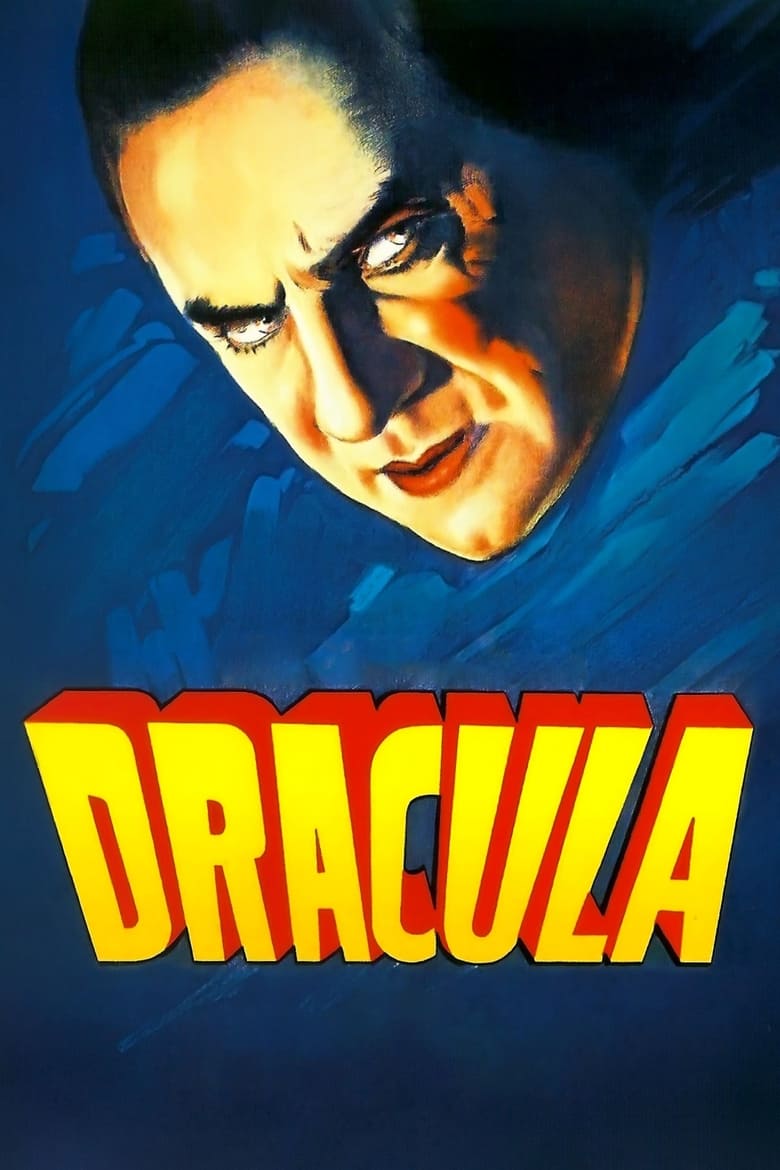
1. Dracula (1931)
A Legendary Vampire Tale
Directed by Tod Browning, Dracula is arguably the most influential horror film of 1931. Bela Lugosi's portrayal of the titular character has become the definitive image of the vampire in popular culture. His iconic accent and piercing stare have become synonymous with the character. The film's eerie atmosphere and Lugosi's mesmerizing performance set a standard for horror films that followed. The chilling visual style and the haunting musical score further enhanced the movie's terrifying allure, drawing audiences into the Count's world of shadows and sinister charm.
Collector's Notes
For collectors, owning a copy of Dracula is akin to possessing a crown jewel of horror cinema. The film's historical significance and its impact on the genre make it a must-have. Special editions often feature commentary, restored footage, and insights into its production, offering a deeper look into this cornerstone of horror history. Collectors might seek out limited edition posters or vintage lobby cards, which add a tangible connection to the film's original release. These items are not only valuable due to their rarity but also because they represent the beginning of a cultural phenomenon that has endured for nearly a century.
2. Frankenstein (1931)
The Birth of the Monster
James Whale's Frankenstein introduced audiences to Boris Karloff as the iconic monster. This adaptation of Mary Shelley's novel was groundbreaking, with its innovative makeup and special effects. The film's stunning laboratory scenes, complete with dramatic lightning effects, set a new standard for the genre. Karloff's portrayal brought pathos and depth to the creature, making it more than just a monster. His subtle performance invited sympathy from the audience, highlighting the creature's tragic existence and the consequences of unchecked scientific ambition.
Collector's Notes
Frankenstein is a cornerstone of horror collections. Its influence on the genre is immeasurable, and editions featuring behind-the-scenes content, original promotional materials, and expert commentaries offer collectors an enriched experience of this horror classic. Rare collectibles, such as first edition scripts or original film props, are highly sought after. These items not only provide insight into the film's production but also serve as a testament to the enduring legacy of Karloff's unforgettable performance.
3. Dr. Jekyll and Mr. Hyde (1931)
Duality of Man
This adaptation of Robert Louis Stevenson's novella is celebrated for Fredric March's Oscar-winning performance. The film explores the dual nature of humanity through its transformation scenes, which were pioneering for their time. Rouben Mamoulian's direction brought a sophisticated edge to the horror genre, employing innovative camera techniques and moody lighting to accentuate the psychological horror at the heart of the story. The film's exploration of identity and morality resonated deeply with audiences, making it a powerful commentary on the human condition.
Collector's Notes
Collectors prize this film for its innovative cinematography and the way it pushed the boundaries of early special effects. Special releases often include retrospectives and analysis, which provide context to its groundbreaking approach to storytelling. Memorabilia such as rare promotional stills or early reviews published in newspapers of the time offer fascinating insights into the film's initial impact and reception. These artifacts highlight the film's significance in the evolution of cinematic storytelling and special effects.
4. Svengali (1931)
Mesmerizing Manipulation
Svengali stars John Barrymore in a chilling performance as the hypnotic villain. The film explores themes of obsession and control, with Barrymore's Svengali manipulating the beautiful Trilby. Its atmospheric sets and Barrymore's compelling presence make it a standout horror of 1931. The film's exploration of psychological manipulation and its consequences provided a fresh take on horror, moving away from physical monsters to the more terrifying concept of mind control.
Collector's Notes
This film is a gem for collectors for its remarkable set design and Barrymore's unforgettable performance. Editions featuring restoration and archival materials add immense value for those who appreciate early psychological thrillers. Collectors may also seek out original score recordings or scripts, which offer a deeper understanding of the film's production and Barrymore's approach to his complex role. Such items not only enhance the viewing experience but also preserve the legacy of a film that challenged the conventions of its time.
5. The Black Camel (1931)
Intriguing Mystery
Starring Warner Oland as Charlie Chan, The Black Camel blends mystery with horror. Set in Hawaii, the film involves a murder investigation with supernatural undertones. Its exotic setting and engaging plot twists captivate audiences even today. The film's blend of genres and its clever narrative structure kept audiences on the edge of their seats, proving that horror could be effectively combined with other storytelling elements to create a rich cinematic experience.
Collector's Notes
Collectors value this film for its unique blend of mystery and horror, along with its place in the Charlie Chan series. Special features typically include commentaries and insights into the series' impact on both the mystery and horror genres. Rare collectibles such as signed scripts or original movie posters offer a glimpse into the film's marketing and its role in the broader context of 1930s cinema. These items serve as a testament to the film's enduring appeal and its innovative approach to genre blending.
6. M (1931)
A Chilling Hunt
Fritz Lang's M is a suspenseful thriller that borders on horror, featuring Peter Lorre in a haunting role as a child murderer. The film's tense atmosphere and innovative use of sound design set it apart, making it a precursor to modern thrillers. Lang's use of sound to build tension and his exploration of societal fears and moral ambiguity created a chilling portrait of a city in terror. The film's impact on the genre cannot be overstated, influencing countless filmmakers and establishing new benchmarks for cinematic storytelling.
Collector's Notes
For collectors, M is a treasure not just for its storyline but for its pioneering techniques in sound and narrative structure. Editions that include director commentaries and restored versions are particularly prized. Collectors might also seek out early reviews or audience reactions, which provide insight into the film's groundbreaking nature and its reception at the time of release. These materials highlight the film's significance as a landmark in both horror and cinematic history.
7. The Phantom of Paris (1931)
Haunting Romance
The Phantom of Paris, featuring John Gilbert, combines elements of romance and mystery with its eerie plot. Gilbert's performance as a wrongly accused magician adds depth to this tale of intrigue and suspense. The film's blend of romantic and supernatural elements created a captivating narrative that challenged traditional genre boundaries.
Collector's Notes
This film is a collector's delight for its unique blend of genres. Collectors often seek out versions that provide context on Gilbert's career and the film's production, enhancing its historical appeal. Items such as original costume sketches or production notes offer insight into the creative process behind the film, enriching the collector's understanding of its place in cinema history. These artifacts preserve the legacy of a film that dared to blend genres and explore new narrative possibilities.
8. The Bat Whispers (1931)
Atmospheric Suspense
Directed by Roland West, The Bat Whispers is known for its innovative use of widescreen cinematography and eerie setting. The film weaves a mysterious tale involving a masked criminal and a spooky mansion, creating an atmosphere of suspense that captivates viewers. West's use of camera angles and lighting created a visually stunning experience that added to the film's suspenseful narrative.
Collector's Notes
Collectors appreciate this film for its technical achievements and its influence on the horror-mystery genre. The film's unique visual style and suspenseful narrative make it a valuable addition to any collection. Collectibles such as early film reels or director's notes provide a deeper understanding of West's innovative techniques and the film's impact on future filmmakers. These items serve as a testament to the film's pioneering spirit and its enduring influence on the genre.
9. The Mad Genius (1931)
Dark Ambitions
Featuring John Barrymore, The Mad Genius explores themes of obsession and control within the performing arts. Barrymore's portrayal of a manipulative puppet master adds a sinister edge to the film, making it a compelling watch for horror aficionados. The film's exploration of artistic ambition and its consequences offered a unique perspective on horror, highlighting the darker aspects of human nature.
Collector's Notes
For collectors, the film is notable for Barrymore's intense performance and its exploration of dark psychological themes. Editions that include analysis and historical context are especially sought after. Rare items such as early drafts of the script or promotional materials offer insight into the film's production and its reception. These artifacts not only enhance the viewing experience but also preserve the legacy of a film that challenged the conventions of its time.
10. The Unholy Three (1931)
A Criminal Circus
This film, starring Lon Chaney Jr., is a remake of the silent version featuring Lon Chaney. It presents a mix of crime and horror, with a plot revolving around a trio of circus performers engaged in criminal activities. The film stands out for its unique storyline and Chaney Jr.'s compelling performance. The film's blend of crime and horror provided a fresh perspective on the genre, exploring the darker side of human nature through the lens of circus life.
Collector's Notes
Collectors find The Unholy Three interesting for its connection to the original silent film and its place in early sound cinema. Editions with historical insights and comparisons to the silent version enrich the collecting experience. Collectibles such as early film reviews or promotional materials provide a deeper understanding of the film's impact and its place in cinematic history. These items serve as a testament to the film's enduring appeal and its innovative approach to blending genres.
A Lasting Legacy
The horror films of 1931 laid the groundwork for the genre we know today. These films introduced audiences to iconic characters and narratives that have stood the test of time. For collectors, these films offer a glimpse into the early days of horror cinema, where innovation and imagination were at the forefront. Each film on this list provides unique insights into the evolution of horror, from the chilling performances of Bela Lugosi and Boris Karloff to the groundbreaking technical achievements in films like M and The Bat Whispers. Whether you're a seasoned collector or a casual fan, these films are essential viewing for anyone interested in the roots of horror cinema. Dive into these classics and experience the magic and mystery of 1931 for yourself.
The year 1931 was a turning point, marking the transition from silent films to talkies, which brought a new dimension to storytelling. The horror films of this era not only entertained but also reflected the societal fears and anxieties of the time. As the Great Depression loomed, audiences sought escape in the fantastical worlds of horror, where monsters and madmen roamed. These films provided a cathartic release, allowing viewers to confront their fears in a safe environment. The legacy of 1931's horror films is not just in their cinematic achievements but in their ability to connect with audiences on a deeper level, exploring themes of identity, ambition, and the human condition. As we continue to revisit these classics, we are reminded of the timeless power of horror to thrill, challenge, and inspire.