Top 10 Music Movies of 1926
Top 10 Music Movies of 1926
Delving Into 1926: A Year of Musical Cinematic Innovation
The year 1926 was pivotal for the film industry, marking a transformative period as silent films began to embrace synchronized music and sound. This was the precursor to the talkies era, setting the stage for future cinematic advancements. Music movies from this year are particularly fascinating as they capture the transition and experimentation with sound. These films hold a special place in the hearts of collectors, offering a glimpse into the artistic endeavors of the time. Whether through live orchestras or pioneering sound-on-disc systems, these movies showcased music in innovative ways. Let's explore the top 10 music movies of 1926 that not only defined a genre but also marked a significant step in film history.
Why It Still Resonates
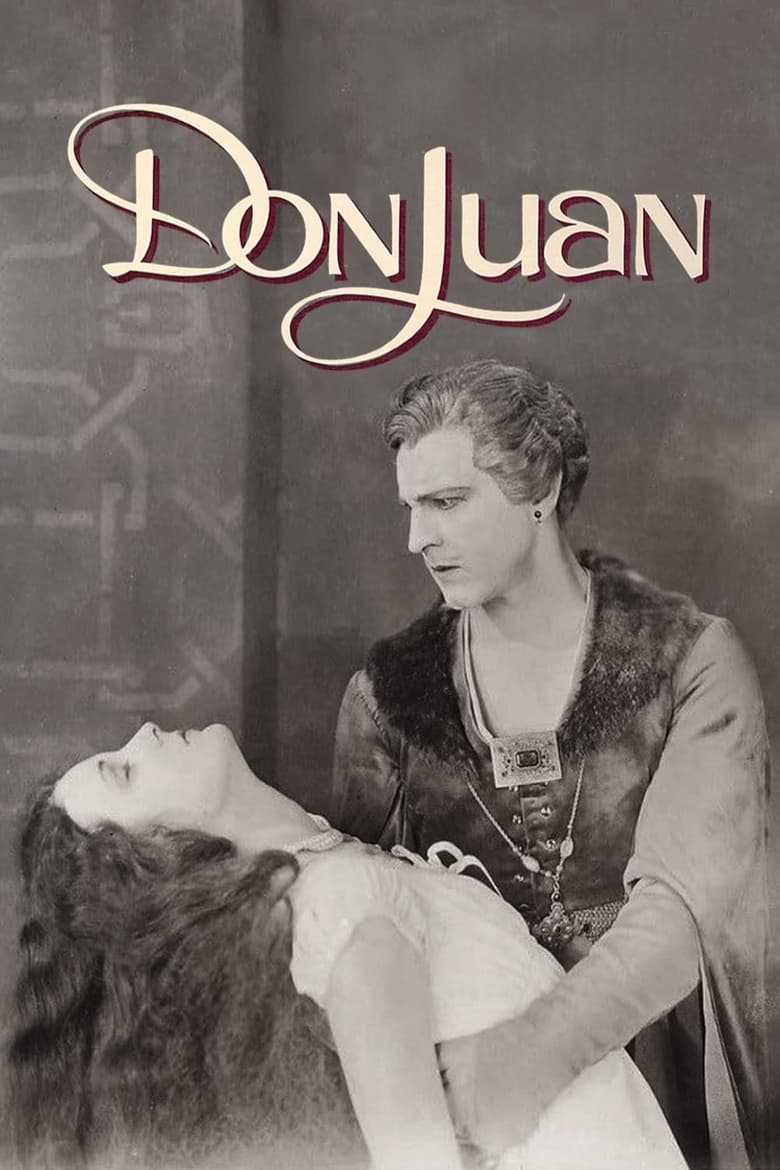
"Don Juan" is celebrated as the first feature-length film to utilize the Vitaphone sound-on-disc system, which synchronized sound effects and a musical score with the film. Although there was no synchronized dialogue, this Warner Bros. production was groundbreaking, paving the way for the future of sound in cinema. The film’s grand scale and lavish production values make it a visually stunning spectacle. For collectors, owning a piece of "Don Juan" is like owning a piece of history, representing the dawn of the sound era in films.
"Don Juan" was not just a technical milestone; it was a cultural one too. The film featured a score performed by the New York Philharmonic, underscoring its commitment to quality and artistry. The film's lead, John Barrymore, delivered a performance that was both charismatic and commanding, elevating the film's dramatic narrative. While modern audiences might find the lack of dialogue curious, the film's music and visual storytelling continue to captivate, highlighting the artistry involved in early cinema.
Collector's Notes
Directed by Tod Browning and featuring Lon Chaney, "The Blackbird" is a crime drama with a notable musical score that enhanced its eerie atmosphere. Chaney’s dual role performance is a masterclass in acting, and the film’s use of music to heighten suspense was innovative for its time. Collectors treasure this film not only for its captivating story and performances but also for its contribution to the genre with a memorable musical backdrop that set a standard for future films.
The suspenseful score of "The Blackbird" helped to create an immersive experience that drew audiences into its dark, mysterious world. Lon Chaney's ability to transform physically and emotionally was complemented by the music, which added layers to his complex characters. The film is a testament to the power of music in silent cinema, demonstrating how soundtracks could enhance the emotional and psychological dimensions of a film.
Why It Deserves Attention
Cecil B. DeMille's "The Volga Boatman" is an epic tale set during the Russian Revolution, known for its dramatic storytelling and rich musical accompaniment. The film's score played a crucial role in conveying the emotional weight of the narrative, making it a standout in the silent film era. For collectors, the film’s historical context and the grandeur of DeMille’s direction make it a must-have, illustrating the power of music in silent cinema.
The expansive score of "The Volga Boatman" helped to depict the vast landscapes and intense human drama of the Russian Revolution. The music, paired with DeMille's grandiose visual style, created a cinematic experience that was both epic and intimate. The film's ability to convey complex emotions and historical narratives through music and visuals alone speaks to the innovative spirit of the filmmakers and the evolving language of cinema.
Collector's Gem
Starring Greta Garbo, "The Temptress" is a romantic drama that captivated audiences with its lush soundtrack and Garbo's mesmerizing performance. The film's musical score was integral to its storytelling, enhancing the emotional depth and drama. For collectors, Garbo's allure and the film’s artistic cinematography are significant draws, making it a treasured addition to any collection of classic cinema.
"The Temptress" showcases Garbo at her enigmatic best, with the music playing a crucial role in enhancing her performance. The score's ability to underscore the film's themes of passion and betrayal added an additional layer of complexity to the story. The combination of Garbo's star power and the evocative musical score made "The Temptress" a film that resonated deeply with audiences, both then and now.
Why It Captivates
Another Greta Garbo classic, "Flesh and the Devil" is renowned for its passionate narrative and evocative musical score. The chemistry between Garbo and John Gilbert was electrifying, and the music played a pivotal role in accentuating the romance and drama. For collectors, this film is a testament to the expressive power of silent cinema, where music was an essential tool for storytelling.
The film's lush score helped to amplify the intense emotions and romantic tension between the lead characters. The music served as an emotional guide, leading audiences through the film's dramatic highs and lows. The artistry involved in creating such a powerful cinematic experience without spoken dialogue highlights the innovative use of music in silent films and the timeless appeal of Garbo's performance.
Collector's Insights
"The Bat" is a mystery film with a significant musical score that complemented its suspenseful and thrilling atmosphere. Directed by Roland West, the film's innovative use of music to enhance tension was ahead of its time. Collectors appreciate "The Bat" for its clever storytelling and the way it used music to create an immersive experience, making it a fascinating piece of film history.
The score of "The Bat" was integral to building the film's atmosphere of suspense and intrigue. The music punctuated key moments of tension, drawing audiences deeper into the film's mysterious plot. The film's ability to keep viewers on the edge of their seats through music and visual storytelling alone is a testament to the creativity and skill of the filmmakers of the era.
Why It's Notable
This Western drama, featuring Ronald Colman and Gary Cooper, is remembered for its sweeping cinematography and evocative score that enhanced its epic scale. The music underscored the film’s dramatic moments, providing an emotional resonance that captivated audiences. For collectors, the film’s legacy as a classic Western and its rich musical accompaniment are key reasons to include it in their collection.
The film's score helped to convey the grandeur and adventure of the Western frontier, enhancing the film's epic scope. The music played a crucial role in bringing the film's dramatic landscapes and intense character dynamics to life. The combination of the film's visual and musical elements created a cinematic experience that was both thrilling and emotionally resonant.
A Classic Adaptation
Victor Sjöström's adaptation of Nathaniel Hawthorne's novel is distinguished by its powerful performances and emotive score. Starring Lillian Gish, the film used music effectively to convey the novel’s intense themes of sin and redemption. Collectors seek this film for its literary significance and the poignant way music was used to enhance its narrative, reflecting the film's deep emotional impact.
The music of "The Scarlet Letter" played a crucial role in conveying the film's themes of guilt, forgiveness, and redemption. The score helped to underscore the emotional journey of the characters, adding depth to the film's exploration of Hawthorne's complex narrative. The combination of Gish's compelling performance and the film's evocative music made "The Scarlet Letter" a powerful cinematic experience.
Collector's Delight
"Bardelys the Magnificent," directed by King Vidor, is a romantic adventure with an orchestral score that highlighted its swashbuckling action and romance. John Gilbert’s charismatic performance coupled with the film's dynamic music made it a thrilling experience. For collectors, this film is a blend of action and romance with a musical score that elevated its storytelling, making it a valuable addition to classic film collections.
The film's score played a crucial role in creating the film's adventurous and romantic atmosphere. The music added an extra layer of excitement to the film's action sequences and enhanced the emotional impact of the romantic storyline. The combination of the film's dynamic music and Gilbert's charismatic performance made "Bardelys the Magnificent" a captivating cinematic experience.
Why It Stands Out
"La Bohème," starring Lillian Gish and John Gilbert, is an adaptation of the famous opera, known for its beautiful score and poignant performances. The music was central to the film's emotional core, bringing the tragic romance to life. Collectors value this film for its operatic roots and the way music was used to enhance the narrative, making it a cherished piece of cinematic history.
The film's score was integral to conveying the emotional depth of its tragic love story. The music helped to bring the operatic elements of the story to life, enhancing the film's dramatic and emotional impact. The combination of Gish and Gilbert's powerful performances and the film's evocative music made "La Bohème" a timeless piece of cinematic art.
Reflecting on an Era of Musical Innovation
The music movies of 1926 represent a significant era in film history, where sound began to play a pivotal role in storytelling. These films not only entertained audiences but also set the stage for the future of cinema by experimenting with and integrating music into the narrative structure. Collectors treasure these films for their historical value and the unique way they captured the spirit of an era on the cusp of change. As we reflect on these cinematic gems, we appreciate the art of filmmaking and the timeless appeal of music in movies, encouraging us to explore and preserve these classic treasures.
In conclusion, the films of 1926 exemplify the creativity and innovation of early cinema, as filmmakers experimented with new technologies and artistic techniques. The integration of music into these films helped to create a richer, more immersive cinematic experience, laying the groundwork for the future of sound in cinema. As we continue to celebrate and preserve these classic films, we honor the pioneers of the film industry who helped to shape the art of storytelling through music and film.