Top 10 Music Movies of 1929
Top 10 Music Movies of 1929
Exploring the Dawn of Sound in Cinema
The year 1929 was a pivotal moment in film history as the world witnessed the transition from silent films to 'talkies.' This era marked the beginning of a new cinematic experience, where music and dialogue came to life, creating a more immersive environment for audiences. Music movies played a crucial role in this transformation, as they showcased not only the talents of the era's musicians but also the technological advancements in sound recording and playback. These films are now cherished by collectors and film enthusiasts alike for their historical significance and pioneering spirit. Let's delve into the top 10 music movies of 1929 that left an indelible mark on the industry and continue to captivate audiences nearly a century later.
Why It Still Resonates
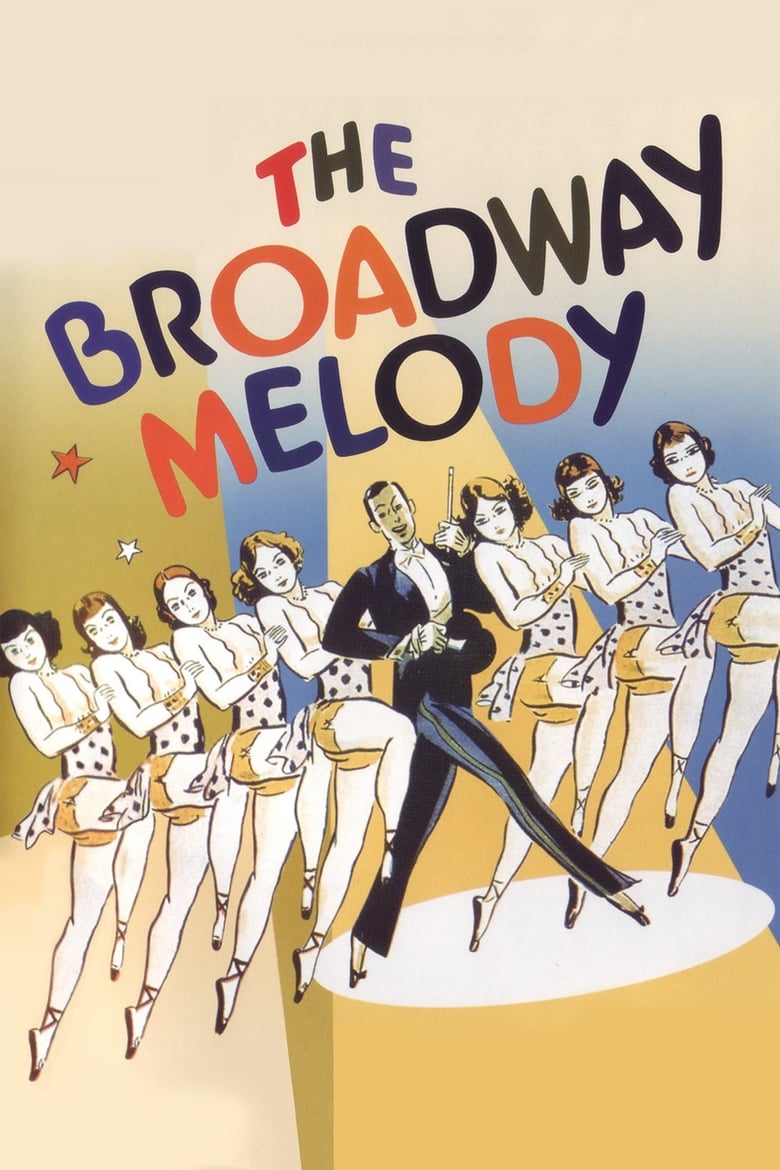
"The Broadway Melody" tops our list as it was the first sound film to win the Academy Award for Best Picture. This film was a game-changer, setting a new standard for musical films. It not only highlighted the burgeoning talent of the time but also underscored the possibilities of synchronized sound in cinema. The story revolves around two sisters who travel to New York to make it big on Broadway, showcasing their journey filled with ambition, love, and the harsh realities of showbiz. The film's success was not just in its storytelling but also in the way it brought music and narrative together seamlessly, a novelty that had audiences enthralled.
Collector's Notes
For collectors, "The Broadway Melody" is a treasure due to its historical significance and the fact that it paved the way for future musicals. Its success showed Hollywood the potential of the musical genre, making it a must-have for anyone interested in the evolution of film. The film's original score and its pioneering use of sound technology make it a cornerstone piece in any collection focusing on the history of cinema.
The Marx Brothers’ Musical Debut
"The Cocoanuts" is noteworthy as the first feature film to star the Marx Brothers. This early sound film combined their unique brand of humor with musical numbers, creating a template that they would follow in their future films. Set in a Florida hotel during the land boom of the 1920s, the film is a chaotic mix of comedy, music, and zany antics that only the Marx Brothers could deliver. Their ability to blend slapstick humor with clever wordplay and music set a new standard for comedy in cinema.
Collector's Notes
For collectors, this film is significant not only for its comedy but for its innovative use of sound. The Marx Brothers' ability to blend slapstick and music marked a new direction in entertainment, making this film a valuable piece of cinematic history. It represents the early days of sound comedy films and is a testament to the timelessness of the Marx Brothers' humor.
A Pioneering Musical Comedy
Starring Maurice Chevalier and Jeanette MacDonald, "The Love Parade" was a major hit and one of the first musical films to feature a cohesive plot interwoven with song and dance. Directed by Ernst Lubitsch, it showcased his famous "Lubitsch Touch," blending sophistication with humor. The story of a disenchanted queen and her charming military husband offered audiences a delightful mix of romance, comedy, and music, all wrapped in a package of European elegance and charm.
Collector's Notes
This film is a collector's delight for its charming performances and innovation in integrating musical numbers with narrative storytelling. Its success led to a string of similar successful musicals, cementing its importance in film history. The "Lubitsch Touch" is a key element that makes this film stand out, offering a sophisticated approach to comedy and romance that would influence countless filmmakers.
An Early Talkie Gem
"Applause" is a landmark in early sound cinema, praised for its sophisticated use of sound recording and cinematography. Directed by Rouben Mamoulian, it tells the story of a burlesque performer and her daughter, with a poignant narrative underscored by musical numbers. The film is noted for its gritty realism and emotional depth, capturing the backstage life of performers with a starkness that was rare for the time.
Collector's Notes
For collectors, "Applause" is notable for its technical achievements and its emotional depth. As one of the earliest talkies to incorporate sound artistically, it is a vital piece of film history. The film's innovative use of sound and camera movement demonstrated the potential of talkies to convey complex narratives with a new level of realism and emotional impact.
Technicolor and Tunes
"Gold Diggers of Broadway" was a major success due in part to its use of two-strip Technicolor, making it one of the earliest color musicals. The film's catchy tunes and lavish production numbers made it a box office hit. Its story of love and financial intrigue during the Great Depression resonated with audiences, providing both escapist entertainment and a reflection of the times.
Collector's Notes
Unfortunately, much of the film is lost, but the surviving sequences are highly valued by collectors. These remnants offer a glimpse into the early use of color in film, making it a fascinating artifact of cinema’s technological growth. The surviving musical numbers are particularly prized for their vibrant visual style and infectious energy.
A Cultural Milestone
"Hallelujah!" broke ground as one of the first major studio films to feature an all-African American cast. It combined elements of drama and musical, directed by King Vidor, who brought a genuine portrayal of African American life. The film's narrative, centered around themes of redemption and faith, was revolutionary for its time, offering a rare and respectful representation of black culture in early Hollywood.
Collector's Notes
Collectors value "Hallelujah!" for its pioneering representation and its innovative use of sound. It's a significant piece in understanding the cultural shifts and inclusivity in early cinema. The film's focus on authentic African American music and its groundbreaking casting make it an essential piece for those interested in the intersection of race and cinema history.
The First All-Talking Color Film
"On with the Show!" holds the distinction of being the first all-talking, all-color feature film. This Warner Bros production was a technical marvel at its release, featuring vibrant musical performances. The film's backstage story of a struggling theater troupe offered audiences a behind-the-scenes look at the world of entertainment, complete with colorful characters and lively musical numbers.
Collector's Notes
Though the original color version is mostly lost, the film's significance in sound and color innovation makes it a sought-after collector's item. Its groundbreaking status in film history adds to its allure. The surviving black-and-white prints are a testament to the film's historical importance, providing a window into the ambitious early attempts at integrating color and sound in cinema.
A Pre-Code Musical
"Tanned Legs" is a delightful example of a pre-Code musical, blending comedy with lively musical numbers. Its story revolves around a family's misadventures during a summer vacation. The film's playful approach to romance and its breezy musical interludes capture the carefree spirit of the late 1920s, offering a snapshot of a more relaxed and liberated era in Hollywood before the imposition of the Hays Code.
Collector's Notes
This film is particularly interesting for collectors who appreciate the pre-Code era's unique charm and its exploration of themes that would later be restricted. Its musical numbers capture the carefree spirit of the late 1920s. The film's lightheartedness and its embrace of themes like flirtation and youthful rebellion make it an intriguing piece of cinematic history.
Rudy Vallée's Star Vehicle
"The Vagabond Lover" is notable for featuring Rudy Vallée, a popular crooner of the era, in his film debut. The movie capitalizes on his fame, with a mix of romance and music that appealed to his fans. Vallée's charismatic screen presence and engaging musical performances provided a bridge between the burgeoning sound film industry and the established popularity of radio stars.
Collector's Notes
For collectors, this film is a nostalgic piece that highlights the transition of radio stars to the silver screen. Vallée's musical performances are a key attraction, capturing the essence of the era's popular music. The film serves as a cultural artifact of the time, illustrating the symbiotic relationship between different entertainment mediums.
A College Musical Comedy
"Sweetie" combines the collegiate backdrop with musical comedy, starring Nancy Carroll and Helen Kane. It features lively college-themed numbers and lighthearted romance. The film's depiction of college life, complete with football games, cheerleaders, and campus hijinks, provided audiences with a fun and spirited escape from everyday life.
Collector's Notes
Collectors find "Sweetie" appealing for its charming depiction of college life in the late 1920s and its catchy musical numbers. It's a snapshot of the era's culture, making it an interesting addition to any collection focused on early musical cinema. The film's youthful energy and its embrace of collegiate themes make it a delightful relic of its time.
Why These Films Matter
The music movies of 1929 represent a crucial turning point in the history of cinema. As the film industry transitioned from silent movies to sound, these films not only entertained audiences but also showcased the technological advancements of the era. The introduction of sound in film was revolutionary, offering a new dimension to storytelling that transformed the viewer's experience. These films were among the first to experiment with synchronized soundtracks and dialogue, paving the way for future innovations in the industry.
For collectors, these movies are more than just entertainment; they are pieces of history that reveal the evolution of film. Whether it's the groundbreaking use of color in "On with the Show!" or the cultural significance of "Hallelujah!", each film on this list offers a unique glimpse into an era that forever changed the way we experience movies. These films, with their pioneering use of sound and musical integration, demonstrated the potential of cinema to be a truly immersive art form.
The impact of these early sound films extends beyond their technical achievements. They also reflect the social and cultural dynamics of their time, capturing the optimism and creativity of the late 1920s. As we look back, it's clear that these pioneering works laid the foundation for the rich tapestry of musical cinema that we enjoy today. They continue to inspire filmmakers and entertain audiences, proving that the magic of early sound cinema still resonates in our modern world.
So, whether you're a seasoned collector or a casual film fan, exploring these films is a journey worth taking. They offer a window into an exciting era of exploration and innovation, reminding us of the timeless power of music and cinema to move, entertain, and inspire.