Top 10 Music Movies of 1932
Top 10 Music Movies of 1932
Discover the Charm of 1932's Music Films
The year 1932 was a vibrant period for the film industry, especially for music movies. As the film industry was still adapting to the possibilities of sound, filmmakers experimented with musical storytelling in ways that continue to resonate today. This era brought forth a unique blend of narrative and song, capturing the spirit of the times and setting a foundation for future musicals. For collectors, 1932 offers a rich tapestry of films that not only showcase the allure of early Hollywood but also the innovative spirit of directors and composers who embraced the challenges of sound cinema. Join us as we explore the top 10 music movies of 1932, each offering its own special charm and place in cinematic history.
A Timeless Musical Masterpiece
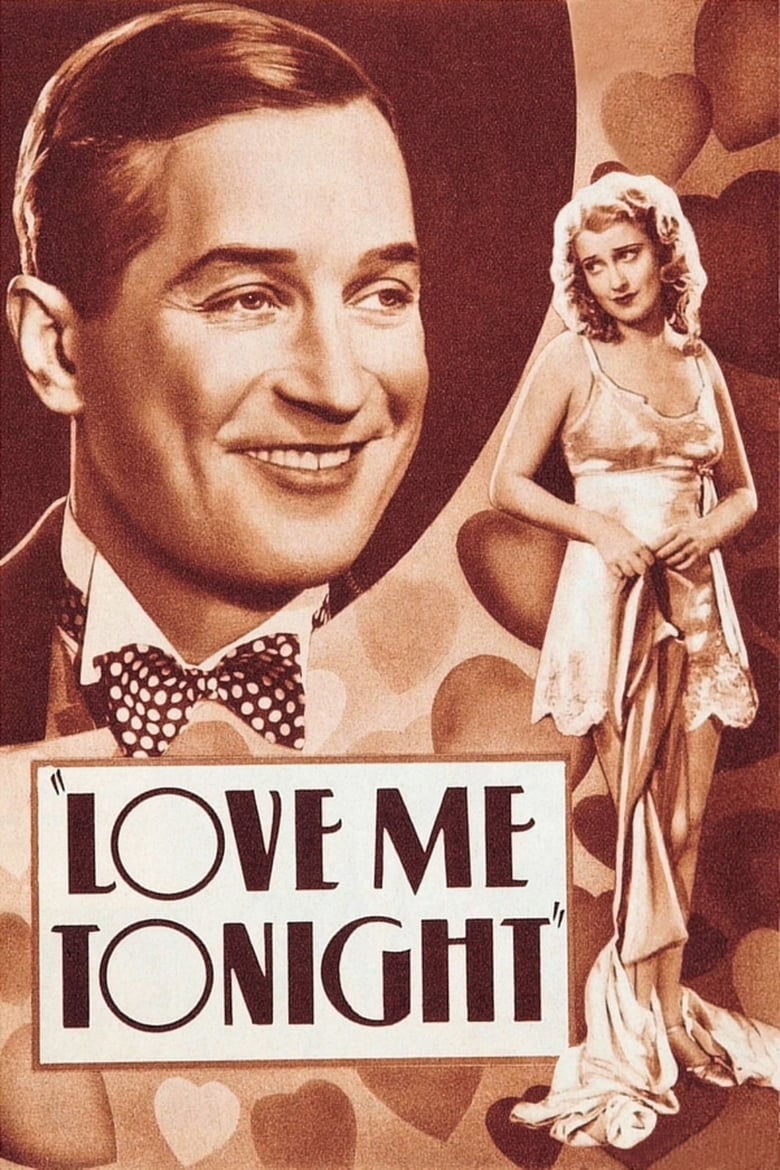
"Love Me Tonight" is often hailed as one of the greatest musical comedies of the early sound era. Directed by Rouben Mamoulian, this film dazzles with its innovative use of sound and visual storytelling. Maurice Chevalier and Jeanette MacDonald lead the cast with charisma and charm, bringing to life the whimsical tale of a tailor who falls in love with a princess. The film's seamless integration of music and narrative was groundbreaking, as it used song to advance the plot rather than simply serve as an entertaining diversion.
Why It Still Works
For collectors, "Love Me Tonight" is a crucial piece of cinema history. Its influence can be seen in countless musicals that followed. The film's clever use of pre-recorded songs and synchronized sound has inspired generations of filmmakers. Chevalier's rendition of "Isn't It Romantic?" is a classic moment that remains popular with audiences even today.
A Riotous Musical Comedy
"The Kid from Spain" is a delightful musical comedy that features the legendary Eddie Cantor in one of his most memorable roles. Directed by Leo McCarey, the film follows the misadventures of a college student who impersonates a famous bullfighter. The movie is filled with lively musical numbers, choreographed by the iconic Busby Berkeley, which add to its exuberant charm.
Collector's Notes
For film enthusiasts and collectors, "The Kid from Spain" is a testament to the exuberance of early 1930s cinema. Its combination of humor, music, and dance sequences makes it a standout film of its time. The film's energy and Cantor's comedic timing continue to entertain, making it a valuable addition for those who appreciate the history of musical comedies.
Marlene Dietrich's Star Power
"Blonde Venus" is a dramatic musical that showcases the incredible talent of Marlene Dietrich. Directed by Josef von Sternberg, the film tells the story of a nightclub singer who becomes entangled in a love triangle. Dietrich's performance is both powerful and captivating, and her rendition of "Hot Voodoo" is a highlight that remains iconic.
Why Collectors Love It
Collectors treasure "Blonde Venus" for its blend of drama, music, and the undeniable screen presence of Dietrich. The film is a prime example of the sophisticated storytelling and style that characterized the early 1930s. Its themes of love, sacrifice, and independence are timeless, making it a significant piece for anyone interested in the evolution of musical films.
The Birth of a Genre
While "42nd Street" is often associated with its 1933 release, its production began in 1932, marking a pivotal moment in musical film history. Directed by Lloyd Bacon and choreographed by Busby Berkeley, the film set the standard for the backstage musical genre. Its story of an aspiring chorus girl who gets her big break is a classic narrative that has been echoed in countless musicals since.
Why It Matters
For collectors, "42nd Street" is an essential film that showcases the transition from silent films to sound. Its influence on musical cinema cannot be overstated, and Berkeley's innovative choreography continues to be celebrated. The film's legacy endures, making it a prized possession for those who cherish musical history.
A Surreal Comedy with Musical Flair
"Million Dollar Legs" is a unique blend of comedy and music, featuring the comedic genius of W.C. Fields. Directed by Edward F. Cline, the film is a satirical romp through a fictional country obsessed with athletics. Its quirky plot is complemented by catchy musical numbers that add to its whimsical charm.
Collector's Insights
Collectors are drawn to "Million Dollar Legs" for its offbeat humor and the star power of W.C. Fields. The film's playful take on politics and sports remains relevant, offering a humorous lens on its contemporary culture. Its distinct style and comedic edge make it a fascinating addition to any collection of early 1930s cinema.
A Political Satire with a Musical Twist
"The Phantom President" is a musical comedy starring the multi-talented George M. Cohan. Directed by Norman Taurog, the film tells the story of a presidential candidate whose public persona is drastically different from his private self. Cohan's charismatic performance and the film's clever songs make it an engaging watch.
Why Collectors Appreciate It
For those with a keen interest in political satire and musical films, "The Phantom President" is a gem. Cohan's involvement adds historical significance, as he was a leading figure in early American musical theater. The film's witty take on political themes resonates with audiences, making it a noteworthy piece for collectors.
A Star-Studded Radio Musical
"The Big Broadcast" is a musical comedy that captures the essence of the early 1930s fascination with radio. Directed by Frank Tuttle, the film features an ensemble cast, including Bing Crosby, in a story centered around a radio station's attempt to boost its ratings. The film is filled with memorable musical numbers and comedic moments.
Why It's Special
Collectors value "The Big Broadcast" for its depiction of the radio era and its charming performances. Bing Crosby's involvement is a particular draw, as he was an emerging star whose influence would grow significantly in the years following. The film's blend of music and humor makes it a delightful addition to any collection focused on early sound cinema.
A Hidden Gem of Musical Comedy
"Madame Racketeer" is a lesser-known musical comedy that offers a delightful blend of humor and music. Directed by Harry Wagstaff Gribble and Alexander Hall, the film stars Alison Skipworth as a former racketeer who turns to a life of legitimate business. Its charming story and engaging performances make it an enjoyable watch.
Collector's Consideration
For collectors, "Madame Racketeer" represents the diversity of musical films from 1932. Its unique storyline and strong performances highlight the era's creativity and willingness to experiment with different genres. Although not as widely recognized, it remains a worthwhile film for those interested in the nuances of early musical cinema.
A Satirical Look at Fame
"The Crooner" offers a satirical take on the phenomenon of crooning, a popular singing style of the early 1930s. Directed by Lloyd Bacon, the film follows the rise and fall of a band leader who becomes a sensation due to his smooth singing voice. The film humorously explores themes of fame and the fleeting nature of stardom.
Why It Stands Out
Collectors appreciate "The Crooner" for its humorous approach to the music industry and its commentary on celebrity culture. The film captures a specific moment in time when crooning was at the height of its popularity, making it a culturally significant piece. Its wit and insight into the entertainment world continue to resonate with audiences.
An Exotic Musical Adventure
"Bird of Paradise" is a romantic drama with musical elements, directed by King Vidor. The film tells the story of a love affair between a Polynesian princess and an American sailor. While not a musical in the traditional sense, its lush score and exotic setting contribute to its allure.
Why Collectors Seek It
For collectors, "Bird of Paradise" offers an intriguing blend of romance, adventure, and music. Its depiction of exotic locales and sweeping romance captures the imagination, making it a unique entry in the 1932 film landscape. The film's visual style and musical score add to its appeal, ensuring its place in collections focused on diverse cinematic experiences.
A Year of Musical Innovation
The music movies of 1932 exemplified the creativity and innovation that characterized the early years of sound cinema. These films not only entertained audiences with their captivating stories and memorable musical numbers but also laid the groundwork for future developments in the genre. Each film on this list offers something unique, from groundbreaking choreography and star-making performances to satirical takes on contemporary culture. For collectors, these movies provide a window into a transformative era in film history, where sound and vision combined to create unforgettable cinematic experiences. As you explore these classics, you'll gain a deeper appreciation for the artistry and daring of filmmakers who embraced the challenges of a new medium. Whether you're a seasoned collector or new to the world of 1930s cinema, these films are sure to enrich your understanding and enjoyment of musical films.