Top 10 Science Fiction Movies of the 1930s
Top 10 Science Fiction Movies of the 1930s
Explore the Sci-Fi Wonders of the 1930s
The 1930s was a formative decade for science fiction cinema, laying the groundwork for the genre’s future. During this era, filmmakers experimented with special effects, imaginative storytelling, and themes that resonated with audiences of their time and beyond. While the world was grappling with the Great Depression, these films offered an escape into realms of fantasy and technological innovation. For collectors, the 1930s represent a treasure trove of pioneering works that continue to be revered for their creativity and historical significance. In this list, we delve into the top 10 science fiction movies of the 1930s that every film enthusiast and collector should know about.
Why It Still Works
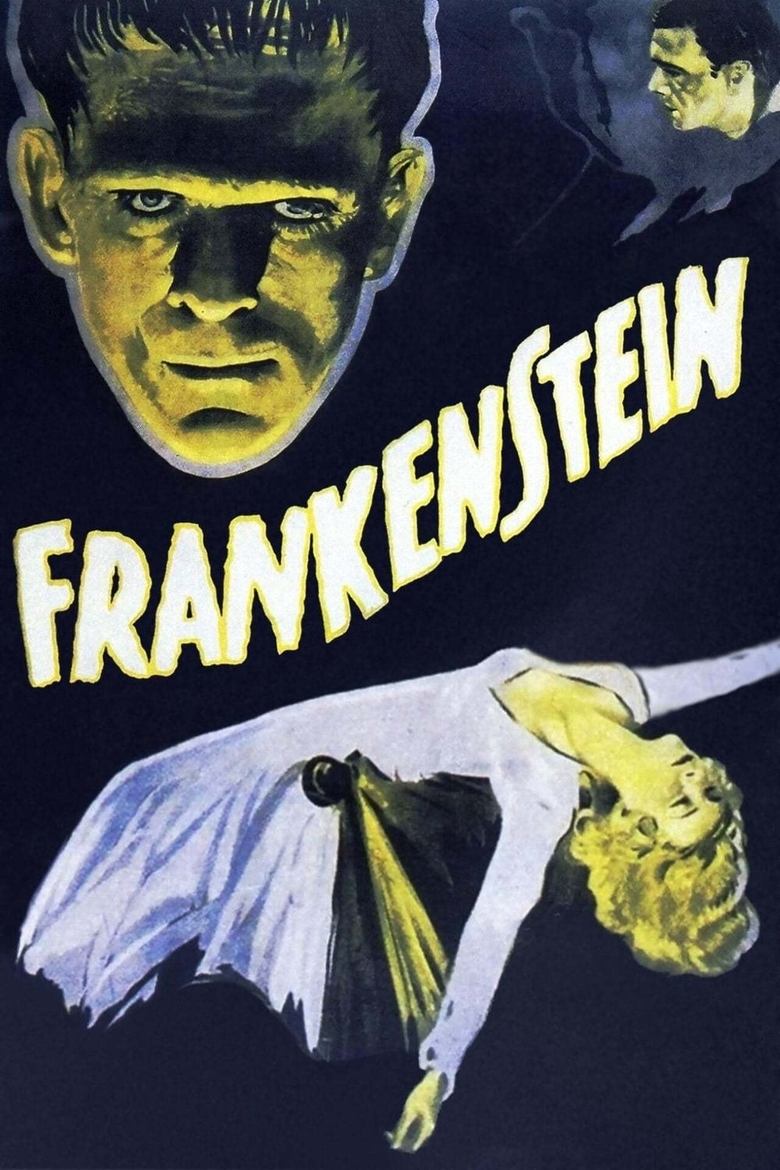
James Whale's Frankenstein is perhaps the quintessential science fiction film of the 1930s, setting a high bar for the genre. Based on Mary Shelley's novel, it explores themes of creation and the ethical limits of science, which remain relevant. Boris Karloff's portrayal of the monster is iconic, with his performance becoming a cultural touchstone. The film is often credited with introducing the archetype of the 'mad scientist,' a trope that has since been explored in countless other works. Its haunting cinematography and atmospheric sets further elevate its status as a timeless classic.
Collector's Notes
Collectors cherish this film not only for its groundbreaking special effects but also for its status as a cornerstone of Universal's monster universe. Original posters and memorabilia from Frankenstein are highly sought after, often fetching high prices at auctions. The film's significance in the horror and science fiction genres makes any related collectible a prized possession. Vintage film reels, early promotional materials, and even replicas of the monster's makeup are considered valuable, as they represent a piece of cinematic history that continues to influence filmmakers and audiences today.
Why It Still Works
Although technically released in 1927, Metropolis continued to have a profound influence throughout the 1930s. Its depiction of a dystopian future with class struggles and advanced technology resonates with modern audiences. Fritz Lang's direction and the film's ambitious set design make it a monumental work. The film's exploration of industrialization and its impact on society is particularly prescient, offering a visual and thematic complexity that has inspired countless filmmakers and artists. Its groundbreaking use of miniatures and visual effects set a standard for future science fiction films.
Collector's Notes
For collectors, the various versions of Metropolis are fascinating. The discovery of missing footage and subsequent restorations have made it an evolving masterpiece. Owning a copy of one of its early releases is a testament to the film's enduring legacy. Collectors often seek out original posters, lobby cards, and even international versions of promotional materials that highlight the film's global impact. The film's legacy is further cemented by its influence on music, fashion, and art, making any related collectible a significant addition to any collection.
Why It Still Works
Directed by James Whale, The Invisible Man stands out for its innovative use of special effects that were groundbreaking for its time. The story, based on H.G. Wells' novel, explores themes of power and madness, with Claude Rains delivering a memorable performance despite being largely unseen. The film's ability to balance horror with dark humor makes it a standout in the genre. Its exploration of the corrupting influence of power remains a relevant theme, showcasing the timelessness of its narrative.
Collector's Notes
This film remains a favorite among collectors for its technical achievements. Original press kits and lobby cards are prized, as they showcase the film's unique marketing and visual style that captivated audiences in the 1930s. Collectibles related to the film often include replicas of the special effects techniques used, offering insight into the innovative approaches that defined early sci-fi cinema. The film's influence is still felt in modern adaptations and homages, further increasing the value of related memorabilia.
Why It Still Works
Flash Gordon brought pulp science fiction to the big screen with flair and excitement. Its serialized format kept audiences returning for more, while its imaginative worlds and characters captured the spirit of adventure. The film's vibrant and colorful depiction of otherworldly landscapes and futuristic technology made it a visual feast for audiences of the time. Its influence can be seen in later space operas and adventure films, cementing its place in cinematic history.
Collector's Notes
Collectors admire the film for its vibrant production design and classic serial format. Original posters and promotional materials are highly collectible, often celebrated for their colorful and dynamic artistry. Collectibles often include serialized comic strips and early merchandise that highlight the film's lasting impact on popular culture. The film's legacy is evident in its continued influence on science fiction narratives and visual aesthetics, making any related item a valuable addition to a collector's portfolio.
Why It Still Works
Adapted from H.G. Wells’ work, Things to Come presents a sweeping vision of the future that was both ambitious and thought-provoking. It tackled themes of war, progress, and societal evolution, making it a significant contribution to the genre. The film's portrayal of a future shaped by technology and societal change offers a reflection on contemporary concerns of the era, providing a prophetic glimpse into the possibilities and challenges of future worlds.
Collector's Notes
The film is notable for its stunning visual effects and set designs, which make it a must-have for collectors interested in the history of sci-fi cinema. Owning original stills or a screenplay provides a window into its visionary production. Collectors often seek out items that highlight the film's artistic achievements, such as concept art and behind-the-scenes photographs. The film's influence on later science fiction works and its exploration of philosophical themes make related collectibles particularly desirable.
Why It Still Works
A sequel that arguably surpasses its predecessor, The Bride of Frankenstein expands on the themes of loneliness and acceptance. James Whale's direction brings humor and humanity to the story, with Elsa Lanchester's dual role as Mary Shelley and the Bride being particularly memorable. The film's exploration of identity and the desire for companionship resonates with audiences, offering a poignant reflection on the human condition.
Collector's Notes
Collectors value this film for its continued influence on the horror and science fiction genres. Memorabilia such as posters and figurines of the Bride are particularly iconic, often highlighted for their artistic and cultural significance. Collectibles often include rare promotional materials and replicas of the Bride's distinctive makeup and costume, showcasing the film's impact on visual storytelling. The film's enduring popularity ensures that related items remain highly sought after by collectors and enthusiasts alike.
Why It Still Works
Just Imagine offers a comedic take on the future, envisioning life in 1980 with flying cars and futuristic cityscapes. Its blend of musical numbers and sci-fi elements presents a unique cinematic experience that remains a curiosity for modern audiences. The film's whimsical portrayal of future society offers a lighthearted contrast to the more serious tones of contemporary science fiction, providing a glimpse into the genre's diverse possibilities.
Collector's Notes
For collectors, this film represents the whimsical side of 1930s science fiction. Items like lobby cards and original soundtracks are prized for their novelty and creativity, reflecting an era when the genre was still finding its footing. Collectors often seek out items that capture the film's playful spirit, such as original concept art and promotional materials that highlight its unique blend of genres. The film's niche appeal makes related collectibles particularly valuable for those interested in the evolution of science fiction cinema.
Why It Still Works
While released in 1925, The Lost World continued to captivate audiences into the 1930s with its pioneering special effects that brought dinosaurs to life. The film's adventure and exploration themes are timeless, appealing to fans of both science fiction and fantasy. Its groundbreaking use of stop-motion animation set a new standard for visual effects, influencing generations of filmmakers and special effects artists.
Collector's Notes
Collectors treasure this film for its groundbreaking stop-motion animation by Willis O'Brien. Original prints and promotional items from its various reissues are highly sought after, illustrating the film's long-lasting impact. Collectibles often include rare stills and original concept art that showcase the film's innovative techniques. The film's influence on later adventure and science fiction films ensures that related items remain highly desirable for collectors and enthusiasts.
Why It Still Works
This adaptation of Robert Louis Stevenson’s classic story delves into themes of duality and the darker sides of human nature. Fredric March's performance, which won him an Academy Award, remains a highlight, showcasing the actor's range and the film's psychological depth. The film's exploration of the duality of human nature and the struggle between good and evil offers a timeless reflection on the complexities of identity and morality.
Collector's Notes
For collectors, the film is a testament to early psychological horror and science fiction. Items like vintage posters and press books are valued for their connection to a film that helped define the genre's early narrative complexities. Collectibles often include rare promotional materials and original stills that highlight the film's artistic achievements. The film's influence on later adaptations and its exploration of psychological themes ensure that related items remain highly sought after by collectors.
Why It Still Works
Adapting H.G. Wells’ novel, Island of Lost Souls explores themes of ethics in scientific experimentation. Charles Laughton's portrayal of Dr. Moreau and the film's eerie atmosphere contribute to its lasting impression. The film's exploration of the boundaries of science and the consequences of playing god offers a chilling reflection on the ethical dilemmas that continue to resonate with audiences.
Collector's Notes
Collectors appreciate the film for its controversial history and unique place in the horror and science fiction genres. Original lobby cards and promotional items capture the film's unsettling allure, making them notable additions to any collection. Collectibles often include rare stills and promotional materials that highlight the film's atmospheric visuals and provocative themes. The film's exploration of moral ambiguity and its impact on later science fiction narratives ensure that related items remain highly desirable for collectors and enthusiasts alike.
The Legacy of 1930s Sci-Fi
The 1930s was a pivotal decade for science fiction cinema, as filmmakers dared to dream and push the boundaries of storytelling and special effects. These films not only entertained audiences during challenging times but also inspired future generations of filmmakers and fans. For collectors, these movies represent a rich period of innovation and creativity. From iconic monsters to visionary depictions of the future, the top 10 science fiction films of the 1930s continue to be revered for their artistic achievements and cultural impact. Whether you're a seasoned collector or a new enthusiast, these films are essential pieces of cinematic history worth exploring and preserving. Their exploration of themes such as the ethical implications of scientific advancement, the complexities of identity, and the impact of technology on society offers a timeless reflection on the human condition, ensuring that their legacy continues to inspire and captivate audiences to this day.