Top 10 Science Fiction Movies of 1965
Top 10 Science Fiction Movies of 1965
Exploring the Sci-Fi Cinematic Landscape of 1965
The year 1965 was a pivotal one for science fiction films, a year when the genre took giant leaps forward in both storytelling and visual effects. It was a time when filmmakers were inspired by the rapid technological advancements and burgeoning space race, capturing the collective imagination of a society looking toward the stars. This era was marked by a fascination with space exploration, futuristic visions, and the exploration of the human condition, reflecting society's hopes and anxieties during a time of rapid technological advancement. As we delve into the top 10 science fiction movies of 1965, it's clear that these films not only captured the imagination of audiences at the time but also laid the groundwork for future generations of filmmakers. Whether you're a collector looking to complete your vintage sci-fi collection or a casual viewer eager to explore the roots of the genre, these films offer a glimpse into a year that was truly transformative for science fiction cinema.
Why It Still Works
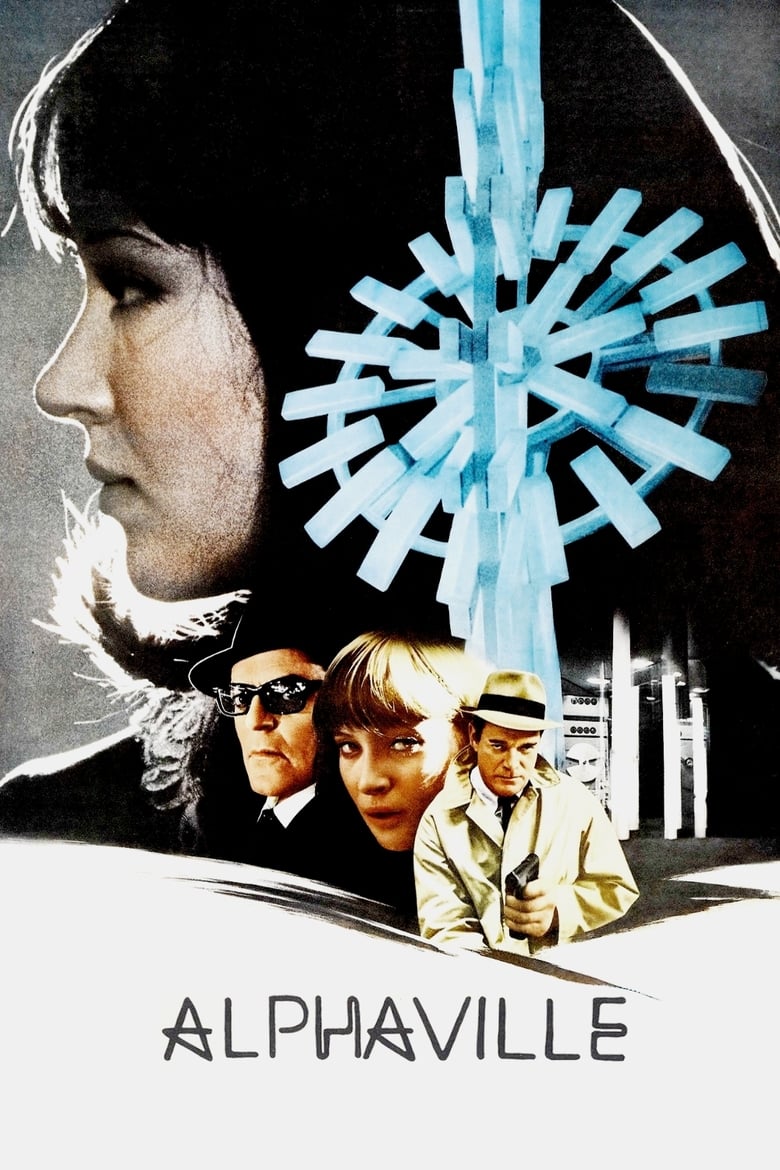
Jean-Luc Godard's 'Alphaville' is a unique blend of science fiction and film noir, offering a dystopian vision of a technocratic future. The film is set in a city controlled by a supercomputer, where emotions are outlawed. Its innovative use of Parisian architecture to represent a futuristic society highlights Godard's creative genius. The film's protagonist, secret agent Lemmy Caution, navigates this cold, emotionless world in a narrative that critiques the dehumanizing aspects of technology—a theme that resonates even more today as we grapple with AI and digital surveillance.
Collector's Notes
For collectors, 'Alphaville' represents a key piece of cinema history. Its influence on both sci-fi and noir genres makes it a must-have. The film's unique visual style and philosophical themes continue to inspire filmmakers, making it a timeless classic that remains relevant in today's digital age. Owning a copy of 'Alphaville' is akin to owning a piece of cinematic art that challenges viewers to reflect on the implications of a technology-driven society.
Why It Stands Out
'La decima vittima' (The 10th Victim) is a satirical take on the concept of televised violence, set in a future where people participate in a deadly game show. Directed by Elio Petri, the film explores themes of media influence and societal desensitization to violence, which are still relevant today. The film's narrative cleverly anticipates the rise of reality TV and the often problematic nature of entertainment that feeds on real human suffering, making it a prescient commentary on media ethics.
Collector's Notes
This film is a quintessential part of any sci-fi collection, especially for those interested in the intersection of media and society. Its stylish production design and thought-provoking narrative offer a fascinating glimpse into 1960s Italian cinema. Collectors will appreciate its bold aesthetic choices and the way it challenges viewers to consider the impact of media on our perceptions of reality and morality.
Atmospheric and Influential
Mario Bava's 'Planet of the Vampires' is renowned for its atmospheric tension and stunning visuals. The film's eerie setting and haunting score create an unforgettable experience that has influenced many future filmmakers, including Ridley Scott for 'Alien'. Bava's use of color and shadow creates an immersive environment that elevates the film beyond its budgetary constraints, demonstrating his ability to craft compelling cinema with limited resources.
Collector's Notes
For collectors, this film is a treasure trove of vintage horror and sci-fi aesthetics. Its vibrant color palette and innovative special effects make it a standout piece in any collection, reflecting Bava's mastery of creating mood and suspense. It's a film that not only entertains but also showcases the ingenuity of filmmakers who laid the groundwork for future sci-fi horror hybrids.
Earth's Destruction on Display
'Crack in the World' presents a thrilling narrative about a scientist's experiment gone wrong, threatening to split the Earth. The film's impressive special effects and dramatic storyline capture the era's fascination with apocalyptic scenarios. It reflects the Cold War-era anxieties about nuclear power and the potential for humanity's self-destruction, a theme that resonates with contemporary concerns about environmental catastrophe and technological hubris.
Collector's Notes
This film is a must-have for those who appreciate disaster movies with a scientific twist. Its portrayal of human hubris and nature's fury is compelling, making it a classic example of mid-60s sci-fi storytelling. Collectors will find its blend of science fiction and disaster film tropes to be a compelling snapshot of the era's cinematic landscape.
Classic Sci-Fi Charm
'Human Duplicators' offers a quintessential 60s sci-fi experience, complete with alien invasions and human replicas. The film's campy charm and imaginative plot make it a fun watch for fans of the genre. Its portrayal of aliens attempting to infiltrate Earth society by creating duplicates of humans touches on Cold War paranoia and the fear of the "other," a common theme in sci-fi narratives of the time.
Collector's Notes
Collectors will appreciate this film for its nostalgic appeal and its reflection of 1960s sci-fi trends. Its blend of adventure and suspense provides a delightful snapshot of the era's cinematic style. The film's campiness and imaginative storyline make it an entertaining addition to any collection, particularly for those who enjoy the playful side of science fiction.
Kaiju Meets Sci-Fi
A collaboration between American and Japanese studios, 'Invasion of Astro-Monster' is a classic Godzilla film that combines giant monster battles with a space-age storyline. Its mix of sci-fi elements and kaiju action is both entertaining and culturally significant. The film represents a fascinating cultural exchange and highlights the global appeal of the kaiju genre, which continues to influence modern blockbusters.
Collector's Notes
For kaiju enthusiasts, this film is a gem. It represents a significant moment in the Godzilla franchise, showcasing the cultural exchange between East and West in the sci-fi genre. Its iconic monster battles make it a must-have for collectors. The film's legacy is evident in its influence on later monster movies and its role in popularizing the genre worldwide.
A Chilling Mockumentary
Peter Watkins' 'The War Game' presents a chilling depiction of nuclear war and its aftermath in Britain. Though not a traditional sci-fi film, its speculative nature and realistic portrayal make it a haunting piece of cinema. The film's documentary style immerses viewers in a stark and sobering vision of what a nuclear conflict might entail, serving as both a cautionary tale and a powerful political statement.
Collector's Notes
This film is essential for those interested in politically charged sci-fi. Its documentary style and hard-hitting message about the dangers of nuclear conflict underscore its importance as a historical artifact and a cinematic achievement. Collectors will find its raw and unflinching portrayal of societal collapse to be a poignant reminder of the urgency of peace and diplomacy.
Time Travel Mystery
'Yesterday Machine' explores the concept of time travel with a suspenseful narrative involving a scientist who attempts to alter history. Its low-budget charm and intriguing plot have made it a cult favorite. The film delves into the moral and ethical implications of time travel, posing questions about the consequences of altering past events—a theme that continues to captivate audiences today.
Collector's Notes
Although not as widely known, 'The Yesterday Machine' is a unique addition to any collection. Its exploration of time travel and the moral questions it raises are worthwhile for any sci-fi aficionado seeking lesser-known gems. The film offers a thoughtful exploration of time travel's potential pitfalls, making it a compelling watch for fans of speculative fiction.
Lovecraftian Horror
Based on H.P. Lovecraft's story, 'Die, Monster, Die!' combines horror and science fiction in a tale of cosmic terror. Boris Karloff's performance adds gravitas to this eerie narrative. The film captures the essence of Lovecraft's work, with its themes of forbidden knowledge and the insignificance of humanity in the face of cosmic forces.
Collector's Notes
Collectors will find this film appealing for its adaptation of Lovecraftian themes and its classic horror elements. Its atmospheric setting and Karloff's presence make it a notable piece for fans of horror and sci-fi crossovers. The film is a testament to the enduring appeal of Lovecraft's mythos and its influence on the horror genre.
Campy and Fun
'Village of the Giants' offers a quirky take on the science fiction genre with its story of teenagers transformed into giants. The film is a light-hearted, campy adventure that captures the spirit of 60s youth culture. Its playful narrative and youthful exuberance provide a contrast to the more serious tones of other sci-fi films from the era.
Collector's Notes
This film is a delightful addition for those who enjoy the playful side of sci-fi. Its nostalgic value and fun premise make it a charming piece to own, reflecting the era's fascination with growth and transformation themes. Collectors will appreciate its whimsical take on the genre and its reflection of the carefree attitudes of the 1960s.
Celebrating a Year of Sci-Fi Innovation
The science fiction films of 1965 reflect a vibrant and transformative period in cinematic history. From dystopian futures to thrilling monster battles, these movies encapsulated the era's technological optimism and societal fears. For collectors, these films are more than just entertainment; they are artifacts of cultural significance. Whether you're drawn to the philosophical musings of 'Alphaville' or the campy charm of 'Village of the Giants,' each film offers a unique glimpse into the past. Embrace this journey through 1965's sci-fi landscape and enrich your collection with these timeless classics. These films not only entertained audiences but also provided a lens through which to view the hopes and fears of a world on the brink of profound change. As we look back on this year of innovation, we celebrate the creativity and vision of filmmakers who dared to imagine the future.