Top 10 Science Fiction Movies of 1974
Top 10 Science Fiction Movies of 1974
Exploring the Sci-Fi Wonders of 1974
The year 1974 was a fascinating time for the genre of science fiction. It was an era that continued to push the boundaries of imagination, delivering films that combined speculative futures with compelling narratives. During this time, filmmakers were experimenting with bold ideas, reflecting societal concerns and technological anxieties. As a result, the movies from this year remain a treasure trove for collectors, offering a glimpse into the creative minds of the past. Whether you're a seasoned fan or a newcomer to the genre, these films offer something special with their unique blend of storytelling and speculative vision. Let's dive into the top ten science fiction movies of 1974 that continue to captivate audiences and collectors alike.
Why It Still Works
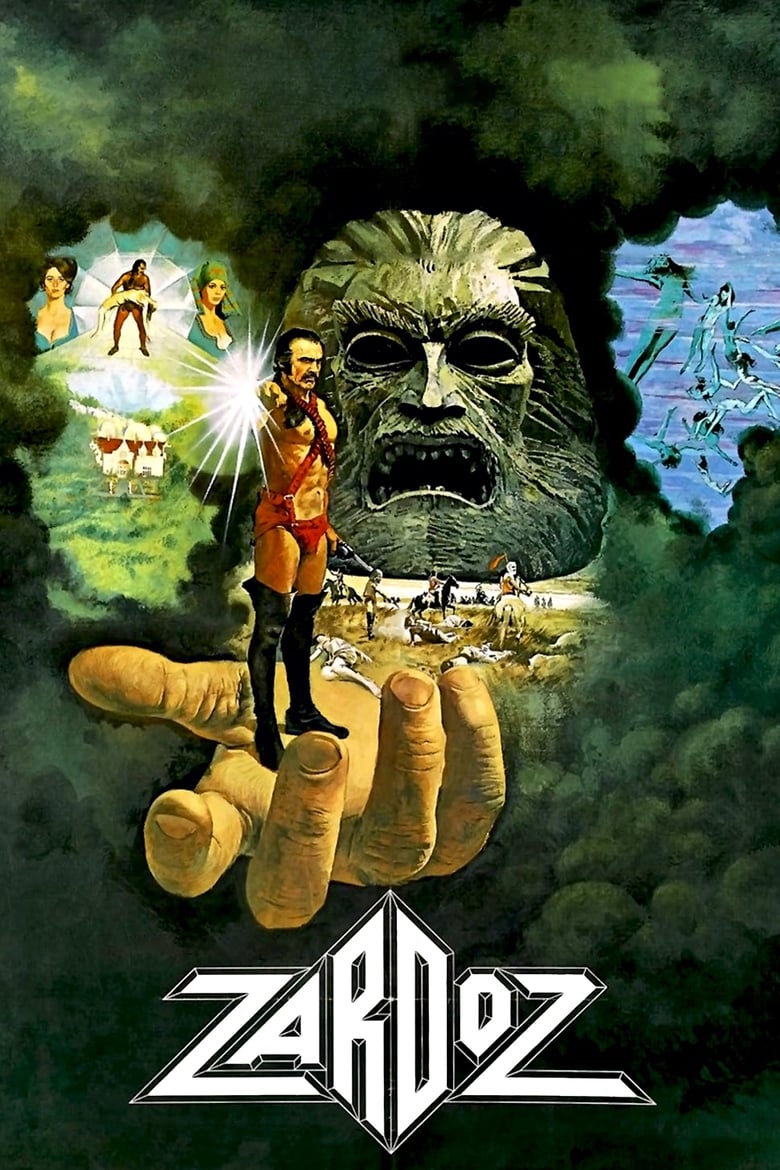
"Zardoz" is a film that stands out not only for its ambitious narrative but also for its striking visual style. Directed by John Boorman, this movie explores themes of immortality, class struggle, and the human condition, all encapsulated within a post-apocalyptic setting. With Sean Connery stepping into a role far removed from his James Bond persona, the film offers a fascinating glimpse into the versatility of both the actor and the genre.
Collector's Notes
For collectors, "Zardoz" is a must-have due to its cult status and the iconic imagery associated with the film. The distinctive red costume worn by Connery has become a symbol of 1970s sci-fi. Various releases on physical media often include insightful commentary from Boorman, making it a valuable addition for those interested in film history and production design.
Why It Still Works
"Phase IV" is a unique entry in the sci-fi genre, combining elements of horror and thriller with an unusual narrative about intelligent ants. Directed by Saul Bass, known for his graphic design work, the film is visually captivating and intellectually stimulating. It explores themes of evolution and human insignificance in the face of nature's unpredictability.
Collector's Notes
Collectors are drawn to "Phase IV" for its distinct place in the sci-fi canon and the iconic poster art designed by Bass himself. The film's rare, original ending, often included in special editions, provides a deeper understanding of Bass's vision, making it a prized possession for enthusiasts of cinematic art.
Why It Still Works
"Dark Star" marks the feature debut of John Carpenter and Dan O'Bannon, giving it a special place in sci-fi history. This film is a satirical take on the genre, blending science fiction with comedy in a story about a bored crew aboard a spaceship. Its low-budget charm and innovative special effects showcase the early ingenuity of Carpenter and O'Bannon.
Collector's Notes
For collectors, "Dark Star" is notable for its historical significance and the creative talents involved. Various home media releases include behind-the-scenes features and interviews with Carpenter and O'Bannon, offering insights into the film's production and its impact on their careers.
Why It Still Works
Based on a novel by Michael Crichton, "The Terminal Man" delves into the darker side of technological advancement. Directed by Mike Hodges, the film follows a man who undergoes experimental brain surgery to control his violent impulses, only to have the technology backfire. The film's exploration of mind control and the ethical implications of medical technology remain relevant to contemporary audiences.
Collector's Notes
Collectors value "The Terminal Man" for its thoughtful exploration of technology's potential dangers. The film's availability on physical media often includes insightful commentary and discussions about the adaptation process from page to screen, enriching the viewing experience for fans of Crichton's work.
Why It Still Works
"The Land That Time Forgot," directed by Kevin Connor, offers a thrilling adventure into a lost world filled with prehistoric creatures. Based on Edgar Rice Burroughs' novel, the film combines elements of fantasy and science fiction, capturing the imagination with its depiction of dinosaurs and other ancient beasts coexisting with humans.
Collector's Notes
Fans and collectors cherish this film for its nostalgic appeal and special effects that were impressive for the time. Special editions often come with behind-the-scenes footage and interviews with the cast and crew, providing a deeper insight into the challenges of creating such an ambitious project on a modest budget.
Why It Still Works
"Space Is the Place" is a bold, avant-garde film starring the legendary musician Sun Ra. Blending science fiction with musical elements, the film presents a narrative that challenges conventional storytelling. Its themes of Afrofuturism and cosmic exploration make it a unique entry in the genre.
Collector's Notes
Collectors are drawn to "Space Is the Place" for its cultural significance and the influence of Sun Ra's music. Special releases often feature restored audio tracks and exclusive interviews with those involved in the project, making it a must-have for fans of both science fiction and music history.
Why It Still Works
This Hammer Horror film, directed by Terence Fisher, offers a classic take on the Frankenstein mythos, merging horror with science fiction. The film explores the ethical dilemmas of scientific experimentation, featuring Peter Cushing as the determined Baron Frankenstein. It is known for its atmospheric setting and practical effects that deliver a chilling experience.
Collector's Notes
For collectors, the film is a gem due to its place in the Hammer Horror legacy. Special editions often include commentary by film historians and retrospectives on the impact of Hammer films during their era, making it an essential addition for fans of vintage horror and science fiction.
Why It Still Works
"The Questor Tapes" was a television film co-created by Gene Roddenberry, the mind behind "Star Trek." It tells the story of an android searching for its creator and meaning in life, reflecting Roddenberry's interest in humanity and technology. The film's exploration of identity and purpose resonates with audiences even today.
Collector's Notes
Collectors appreciate "The Questor Tapes" for its connection to Gene Roddenberry and its role in shaping future sci-fi narratives. While it was intended as a pilot for a series, the film stands on its own, with special editions often featuring discussions on its development and its place in Roddenberry's body of work.
Why It Still Works
This made-for-TV movie, directed by John Llewellyn Moxey, presents a post-apocalyptic scenario where a solar flare wipes out most of humanity. The film's focus on survival and the emotional weight carried by the characters provide a compelling narrative that resonates with viewers.
Collector's Notes
Collectors find value in this film for its early exploration of post-apocalyptic themes. It serves as a precursor to many films that would follow in the genre, and special releases often include interviews with cast members and discussions on the film's impact, making it a noteworthy addition to any collection.
Why It Still Works
"The Stranger Within" is a psychological sci-fi thriller directed by Lee Philips. The film explores the unsettling story of a woman who becomes pregnant under mysterious circumstances, leading to questions about alien influence and personal identity. Its tense atmosphere and thought-provoking storyline maintain its appeal.
Collector's Notes
Collectors are interested in "The Stranger Within" for its unique blend of science fiction and psychological drama. The film's availability on physical media often includes bonus materials such as directorial commentary and retrospective analyses, providing an enriched viewing experience for those interested in the intersection of sci-fi and human psychology.
Wrapping Up the Wonders of 1974
The science fiction films of 1974 offer a rich tapestry of storytelling that continues to captivate and inspire. Each film on this list not only pushed the boundaries of the genre but also reflected the cultural and technological anxieties of the time. From the avant-garde visions of "Zardoz" and "Space Is the Place" to the thrilling adventures of "The Land That Time Forgot," these films remain significant for both casual viewers and collectors alike. As you explore these cinematic gems, consider adding them to your collection to experience firsthand the creativity and innovation that defined this remarkable year in science fiction history. Whether you are revisiting old favorites or discovering them for the first time, these films promise to offer an engaging and thought-provoking journey.