Top 10 Thriller Movies of the 1940s
Top 10 Thriller Movies of the 1940s
Unveiling Thrills from the 1940s
The 1940s was a pivotal decade for the thriller genre, marked by an atmosphere of tension and uncertainty during and after World War II. This era's socio-political climate, dominated by global conflict and post-war recovery, served as a perfect backdrop for filmmakers to explore narratives filled with suspense, intrigue, and psychological depth. The decade saw a remarkable convergence of creative talent, technological advancements, and narrative innovation, which together produced some of the most compelling thrillers in cinematic history. These films not only captivated audiences with their gripping tales and complex characters but also introduced techniques and storytelling methods that would influence the genre for decades to come.
From shadowy noir to intense psychological thrillers, the 1940s gifted cinema with some of the most unforgettable films in the genre. As a collector, finding these gems on physical media is not just about owning a piece of history but also about appreciating the artistry and innovation that defined an era. The 1940s thrillers often encapsulated the era's anxieties and aspirations, reflecting societal undercurrents through their intense narratives and stylistic choices. Let’s dive into the top 10 thriller movies of the 1940s that continue to captivate and thrill audiences today.
Why It Still Works
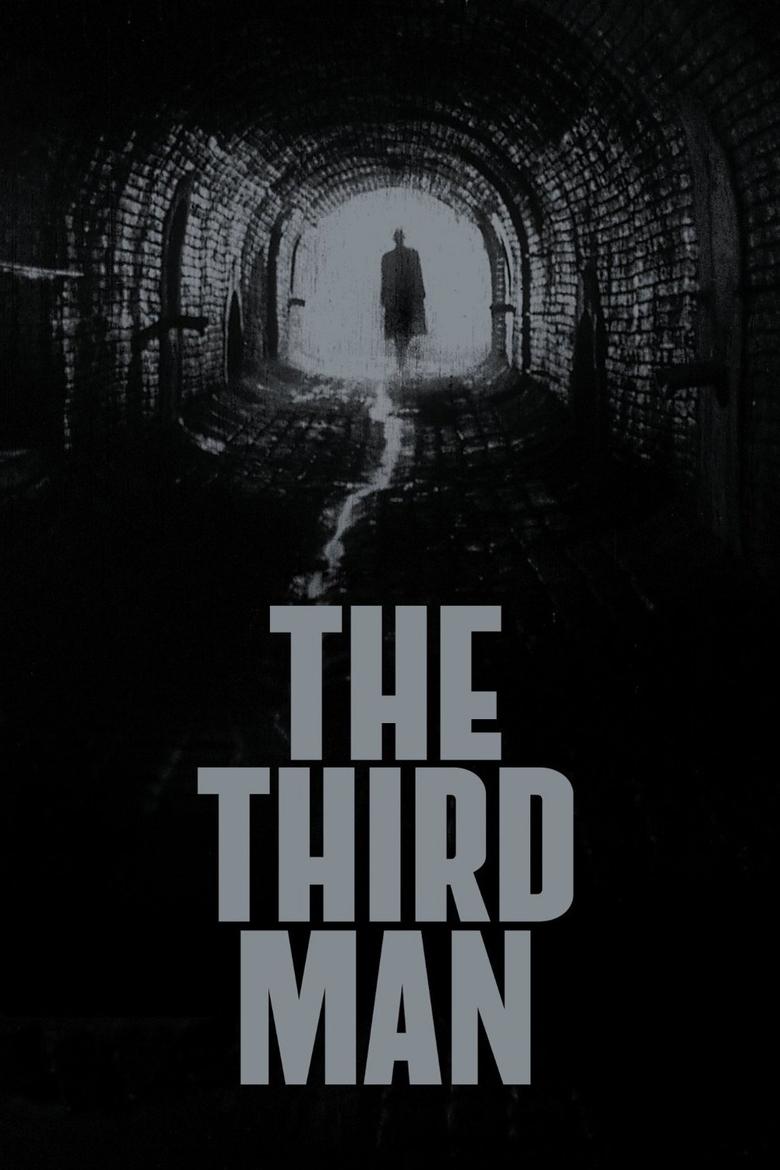
Directed by Carol Reed and featuring an iconic performance by Orson Welles, The Third Man stands as a pinnacle of the thriller genre. Its haunting cinematography, particularly the use of chiaroscuro lighting and tilted camera angles, creates a mood of unease and mystery that is as compelling today as it was at its release. The film is set in post-war Vienna, a city divided and rife with tension, which adds a layer of depth to its story of deception and moral ambiguity. The narrative's exploration of friendship, betrayal, and the blurred lines between good and evil resonates deeply, making it timeless.
Collector's Notes
For collectors, The Third Man is a treasure. The film’s distinctive zither score by Anton Karas and its unforgettable final scene in the sewers of Vienna make it a must-have. Physical media editions often come with fascinating extras, like behind-the-scenes documentaries and commentaries that delve into its production and cultural impact. Such editions may also include meticulous restorations that enhance the film's visual and auditory elements, allowing viewers to experience it as closely as possible to its original theatrical presentation. Collectors often appreciate the opportunity to explore the film's background, including insights into Carol Reed's directorial choices and the era's socio-political influences.
Why It Still Works
Alfred Hitchcock’s Rebecca is a masterclass in psychological suspense. This adaptation of Daphne du Maurier’s novel captures the eerie and oppressive atmosphere of Manderley, the grand estate that holds dark secrets. The film's exploration of themes such as identity, memory, and the haunting presence of the past is skillfully woven into its narrative. Hitchcock’s direction, combined with the film's gothic elements, crafts a suspenseful atmosphere that keeps audiences engaged. The film also stands out for its complex characters, particularly the nuanced portrayal of the second Mrs. de Winter, whose journey from insecurity to resilience is both compelling and relatable.
Collector's Notes
From a collector’s perspective, Rebecca is a Hitchcock classic that is essential for any serious collection. Its haunting black-and-white visuals and the powerful performances by Laurence Olivier and Joan Fontaine are enhanced in restored editions, which often include insightful commentary on its adaptation and production. These editions might also feature analysis of Hitchcock's unique storytelling techniques and his ability to create tension and suspense through visual and narrative means. Collectors value such insights as they offer a deeper understanding of the film's enduring impact and Hitchcock's legacy as a master of suspense.
Why It Still Works
Another Hitchcock gem, Notorious combines espionage with a gripping romance. Ingrid Bergman and Cary Grant deliver stellar performances that heighten the film’s tension and emotional depth. The film's plot, involving a post-war espionage operation targeting Nazi sympathizers, is both thrilling and emotionally resonant. Hitchcock's use of close-ups and innovative camera work, particularly in the famous key scene, underscores the film's tension and the characters' psychological complexity. The interplay of romance and suspense, along with its moral ambiguities, ensures that Notorious remains a compelling watch.
Collector's Notes
Collectors prize Notorious for its intricate plot and technical brilliance, including the famous key scene that showcases Hitchcock’s innovative camera work. Special editions often feature comprehensive retrospectives and interviews that highlight the film’s legacy and influence on future thrillers. These extras may also provide context about the film's production challenges and its reception at the time of release, offering a richer appreciation of its place in cinema history. For collectors, owning Notorious is not just about having a piece of classic cinema, but also about exploring the depth of Hitchcock's artistry and the film's cultural significance.
Why It Still Works
Gaslight is a psychological thriller that introduced the term 'gaslighting' into popular discourse. Ingrid Bergman’s Oscar-winning performance is a study in psychological manipulation and suspense. The film expertly portrays the slow erosion of reality experienced by Bergman's character, as her husband, played by Charles Boyer, seeks to drive her insane. The film's exploration of psychological abuse and its implications remain relevant, engaging audiences with its intense narrative and emotional depth. The atmospheric direction and supporting performances, particularly by Angela Lansbury in her film debut, further enhance its impact.
Collector's Notes
For collectors, Gaslight holds a special place as a film that combines psychological depth with suspense. It’s a cornerstone for any collection focused on psychological thrillers, often available with materials that explore its impact on both cinema and psychology. Collectors often seek editions that provide insights into the film's production, including the challenges of adapting the stage play and the cultural context that gave rise to the film's themes. Such editions might also include scholarly analysis of its influence on subsequent films and its role in popularizing the concept of gaslighting.
Why It Still Works
John Huston’s The Maltese Falcon is a quintessential film noir, with Humphrey Bogart as the hard-boiled detective Sam Spade. The film’s complex plot and smart dialogue have made it a timeless classic. Its narrative, centered around the pursuit of a valuable artifact, weaves a tale of greed, betrayal, and moral ambiguity, hallmarks of the noir genre. Huston’s tight direction and Bogart’s charismatic performance bring the story to life, while the film's moody cinematography enhances its atmospheric tension. The film's exploration of themes such as loyalty, deception, and the quest for power resonate with audiences, ensuring its enduring appeal.
Collector's Notes
Collectors seek out The Maltese Falcon for its historical significance as a defining film in the noir genre. Special releases often include insightful commentaries and documentaries that explore its role in shaping noir conventions. These editions may also delve into the film's production history, including its adaptation from Dashiell Hammett's novel and the impact of its release during the early 1940s. For collectors, The Maltese Falcon represents not only a landmark in film history but also an opportunity to engage with the rich tapestry of film noir and its enduring influence on the thriller genre.
Why It Still Works
Directed by Billy Wilder, Double Indemnity is a landmark in film noir, featuring a gripping tale of crime and betrayal. The chemistry between Barbara Stanwyck and Fred MacMurray is electric. The film’s narrative, involving an insurance fraud plot that spirals into murder, is both thrilling and morally complex. Wilder’s direction, combined with Raymond Chandler’s sharp screenplay, creates a tense atmosphere filled with suspense and intrigue. The film's exploration of themes such as greed, manipulation, and the consequences of moral compromise resonates with audiences, making it a timeless classic.
Collector's Notes
Double Indemnity is a must-have for its sharp dialogue and atmospheric direction. Collectors appreciate editions that offer restored visuals and insightful extras, such as analysis of its influence on the noir genre and its script’s clever intricacies. These editions might also include interviews with film historians and critiques that provide context about its production and reception. For collectors, Double Indemnity is an opportunity to delve into the intricacies of film noir and appreciate the genre's storytelling prowess and stylistic nuances.
Why It Still Works
Often cited as one of Hitchcock’s personal favorites, Shadow of a Doubt explores the sinister undercurrents of small-town America. Joseph Cotten’s chilling performance as Uncle Charlie is unforgettable. The film's narrative, which follows a young woman’s suspicion and eventual discovery of her uncle’s dark secrets, is both suspenseful and psychologically rich. Hitchcock’s direction cleverly juxtaposes the idyllic small-town setting with the lurking evil, creating a tension that captivates audiences. The film's exploration of themes such as trust, identity, and the duality of human nature remains relevant and engaging.
Collector's Notes
For collectors, Shadow of a Doubt is a prized Hitchcock thriller that delves into the darkness lurking beneath everyday life. Many editions include special features that discuss its thematic depth and Hitchcock’s directorial choices. Such editions may also provide insights into the film's production history and its influence on subsequent thrillers. Collectors value these elements as they offer a deeper understanding of Hitchcock's mastery of suspense and his ability to craft narratives that resonate with audiences both emotionally and intellectually.
Why It Still Works
Starring Humphrey Bogart and Lauren Bacall, The Big Sleep is a detective thriller with a labyrinthine plot that keeps viewers guessing. Its snappy dialogue and moody atmosphere are hallmarks of the genre. The film’s narrative, filled with twists and turns, draws audiences into a world of crime, deception, and intrigue. Bogart’s portrayal of the shrewd detective Philip Marlowe is iconic, while the chemistry between him and Bacall adds a dynamic layer to the story. The film’s exploration of themes such as corruption, power, and the nature of truth ensures its enduring appeal.
Collector's Notes
Collectors value The Big Sleep for its quintessential noir elements and the iconic Bogart-Bacall pairing. Special releases often feature commentary that deciphers its complex narrative and explores its cultural impact. These editions may also include background on the film's adaptation from Raymond Chandler's novel and its place within the broader context of 1940s cinema. For collectors, owning The Big Sleep is an opportunity to appreciate the depth and intricacy of film noir and its influence on the detective genre.
Why It Still Works
Alfred Hitchcock’s Lifeboat presents a suspenseful narrative set entirely in a lifeboat adrift in the ocean. The film explores themes of survival and morality under pressure. Hitchcock’s direction masterfully uses the confined setting to create a tension-filled atmosphere, while the diverse characters and their interactions provide a microcosm of broader societal issues. The film’s exploration of themes such as trust, leadership, and the moral dilemmas faced in life-and-death situations resonates with audiences, ensuring its lasting impact.
Collector's Notes
Lifeboat is an intriguing addition for collectors, notable for its single-location setting and tension-filled storytelling. Editions often include discussions on Hitchcock’s unique challenges in directing and maintaining suspense in such a confined space. These extras may also feature insights into the film's production and the thematic elements that make it a compelling study of human nature. For collectors, Lifeboat represents not only a showcase of Hitchcock's directorial prowess but also a reflection on the human condition and the complexities of survival.
Why It Still Works
The Spiral Staircase is a suspenseful thriller that combines horror elements with a gripping narrative. Dorothy McGuire’s portrayal of a mute woman terrorized by a serial killer is compelling. The film’s atmospheric direction, combined with its exploration of fear and vulnerability, creates a tense and engaging viewing experience. The use of visual and auditory motifs, such as the iconic spiral staircase, enhances the film’s suspense and psychological depth. The narrative’s exploration of themes such as isolation, perception, and the struggle for survival resonates with audiences, making it a timeless classic.
Collector's Notes
Collectors appreciate The Spiral Staircase for its atmospheric direction and psychological tension. Restored editions often include special features that explore its influence on horror and thriller genres, making it a valuable addition to any collection. These editions may also provide insights into the film's production history and its impact on subsequent films. For collectors, owning The Spiral Staircase is an opportunity to explore the intersection of horror and suspense and appreciate the film's contribution to cinematic storytelling.
A Timeless Collection
The 1940s was a decade that defined and refined the thriller genre, producing films that continue to captivate audiences with their storytelling and technical prowess. These films are not only cinematic masterpieces but also pivotal pieces of history that reflect the cultural and societal climates of their time. The tension, uncertainty, and complexity of the era are mirrored in these films, which explore themes of morality, identity, and the human condition. For collectors, owning these films on physical media is an opportunity to delve deeper into their making and impact. Many editions come with enriching extras that offer insights into the directors’ visions and the films’ legacies. Whether you're a seasoned collector or new to the world of classic thrillers, these films offer a gateway into a world of suspense and intrigue that remains as engaging today as it was then. So, why not start or expand your collection with these timeless thrillers? With each film, you not only acquire a piece of cinematic history but also a window into the artistry and innovation that defined an era.