Top 10 TV Movies of 1956
Top 10 TV Movies of 1956
Journey Back to 1956: A Year of Pioneering TV Movies
The year 1956 was a pivotal time for television movies. As the medium was still in its infancy, producers and directors were experimenting with storytelling techniques and production values that would lay the groundwork for future generations. This was a time when television was starting to compete with the silver screen, offering unique narratives and intimate settings that cinema couldn't always capture. In this list, we delve into the top 10 TV movies of 1956, highlighting those that pushed the boundaries of what was possible on the small screen. These movies not only entertained audiences of their time but also set a precedent for the decades of TV filmmaking that followed.
Why It Stands Out
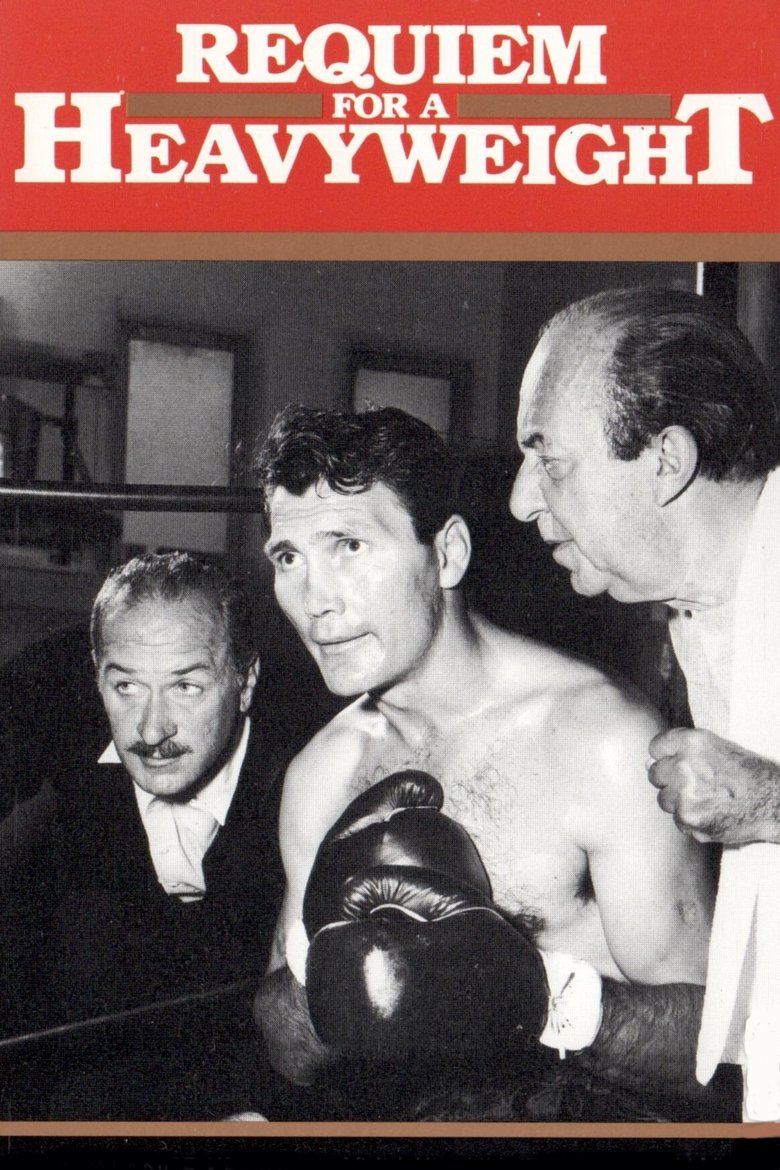
'Requiem for a Heavyweight' is often hailed as one of the greatest achievements in live television drama. Written by Rod Serling, it tells the poignant story of a washed-up boxer facing the end of his career. The movie features powerful performances by Jack Palance and Ed Wynn, capturing the raw emotion and harsh realities of life beyond the boxing ring.
Collector's Notes
For collectors, this film is a must-have due to its historical significance in television history. It marked a turning point where TV movies began to tackle more complex and mature themes. Its original broadcast is considered a landmark in live television, making any memorabilia associated with it highly sought after.
Why It's Special
Adapted from Paddy Chayefsky's teleplay, 'The Catered Affair' stands out with its heartfelt exploration of family dynamics and societal expectations. The movie focuses on a working-class couple who face financial strain while planning an extravagant wedding for their daughter. This relatable tale is brought to life by the stellar performances of Bette Davis and Ernest Borgnine.
Collector's Notes
As a TV movie that successfully transitioned to the big screen, it holds a unique place in both television and film history. Collectors value it for its rich narrative and its role in showcasing the potential of TV movies as serious storytelling vehicles.
Why It Resonates
Another masterpiece by Rod Serling, 'Patterns' is a biting commentary on corporate America. The story revolves around a young executive caught in a moral dilemma between career advancement and ethical integrity. Richard Kiley and Ed Begley deliver compelling performances that anchor this intense drama.
Collector's Notes
'Patterns' is significant for its critique of the business world, a theme that remains relevant. Collectors appreciate its sharp writing and the fact that it reflects the socio-economic concerns of the 1950s. Its success paved the way for more television dramas to tackle real-world issues.
Why It Matters
Originally a teleplay before becoming an Academy Award-winning film, 'Marty' tells the simple yet profound story of a lonely butcher finding love. Its success on television and film highlights the power of character-driven storytelling, with Ernest Borgnine's performance earning widespread acclaim.
Collector's Notes
For collectors, 'Marty' represents a significant crossover success that validates the potential of television as a breeding ground for cinematic excellence. Its influence is seen in how TV content can be adapted for theatrical release, a practice that continues to this day.
Why It's Memorable
'Bang the Drum Slowly' is celebrated for its touching portrayal of friendship and mortality. The movie, which revolves around a baseball player supporting his terminally ill teammate, resonates with its themes of loyalty and compassion. Paul Newman and Albert Salmi deliver moving performances that capture the essence of the narrative.
Collector's Notes
This film is cherished by collectors for its emotional depth and its place in the sports drama genre. It highlights how TV movies can effectively tackle human emotions and relationships, making it a timeless addition to any collection.
Why It Captivates
This TV movie is part of the acclaimed 'Playhouse 90' series, known for its high production values and compelling storytelling. 'The Helen Morgan Story' dramatizes the life of the famous torch singer, exploring her struggles with fame and personal demons. Polly Bergen's portrayal of Morgan is both haunting and heartfelt.
Collector's Notes
Collectors value this movie not only for its narrative but also for being part of the 'Playhouse 90' series, a hallmark of quality in TV programming. It represents a time when television began to embrace ambitious biographical narratives.
Why It's a Must-Watch
Before it became a celebrated stage play and film, 'The Miracle Worker' was a gripping TV movie that brought the story of Helen Keller and her teacher Anne Sullivan to a broad audience. The emotional depth and inspiring performances by Teresa Wright and Patty Duke make it a standout.
Collector's Notes
'The Miracle Worker' is a collector’s gem due to its role in bringing Keller’s story to mainstream attention. It highlights the potential impact of TV movies in educating and inspiring viewers, making it a treasured piece for those interested in historical narratives.
Why It's Intriguing
'The Great American Hoax' is a satirical TV movie that cleverly critiques the gullibility of the American public and media. It tells the story of a fabricated news event that spirals out of control, showcasing the power and pitfalls of mass communication.
Collector's Notes
Collectors appreciate this movie for its satirical edge and its relevance, as it tackles themes of media manipulation and public perception. It serves as a fascinating snapshot of 1950s media culture and remains relevant in discussions about media ethics today.
Why It Delights
This adaptation of Mark Twain's classic novel brings the adventures of Huck and Jim to the television audience. The TV movie captures the essence of Twain's critique of society and racism, making it both entertaining and thought-provoking.
Collector's Notes
For collectors, this movie is significant as a literary adaptation that successfully translates the magic of Twain's narrative to the small screen. It offers a nostalgic look at how classic literature was introduced to TV audiences, paving the way for future adaptations.
Why It Endures
Tennessee Williams' poignant play 'The Glass Menagerie' was transformed into a powerful TV movie, retaining the emotional core of the original work. The story of a struggling family and their dreams remains timeless and relatable.
Collector's Notes
Collectors treasure this adaptation for its faithful representation of Williams' work and its ability to convey deep emotional truths. It stands as a testament to the potential of television to bring theatrical works to a wider audience, making it a valuable piece in any collection focused on literary adaptations.
Reflecting on 1956: A Year of TV Movie Innovation
The TV movies of 1956 laid the groundwork for future television storytelling. Each film on this list showcases the creativity and ambition of the era, reflecting the cultural and social themes of the time. From powerful dramas to insightful satires, these films pushed the boundaries of what television could achieve, offering audiences new perspectives and narratives. Collectors cherish these pieces not only for their historical significance but also for their enduring impact on both television and film. As we look back, it's clear that the TV movies of 1956 were more than just entertainment; they were trailblazers that helped shape the future of visual storytelling. Whether you're a seasoned collector or new to the world of TV movies, these films offer a fascinating glimpse into a transformative period in television history.