Top 10 TV Movies of 1959
Top 10 TV Movies of 1959
A Look Back at TV Movies in 1959
1959 was a pivotal year for television movies, a burgeoning medium that was just beginning to find its footing. As the golden age of television dawned, networks started to experiment with longer narratives that could captivate audiences in a single evening. This era saw the birth of made-for-TV movies, a genre that would grow to become a staple in home entertainment. For collectors and fans of classic television, 1959 offers a treasure trove of films that not only reflect the social and cultural currents of the time but also demonstrate the early potential of TV as a platform for storytelling. Let's dive into the top 10 TV movies of 1959 that made a significant impact and continue to hold charm for collectors today.
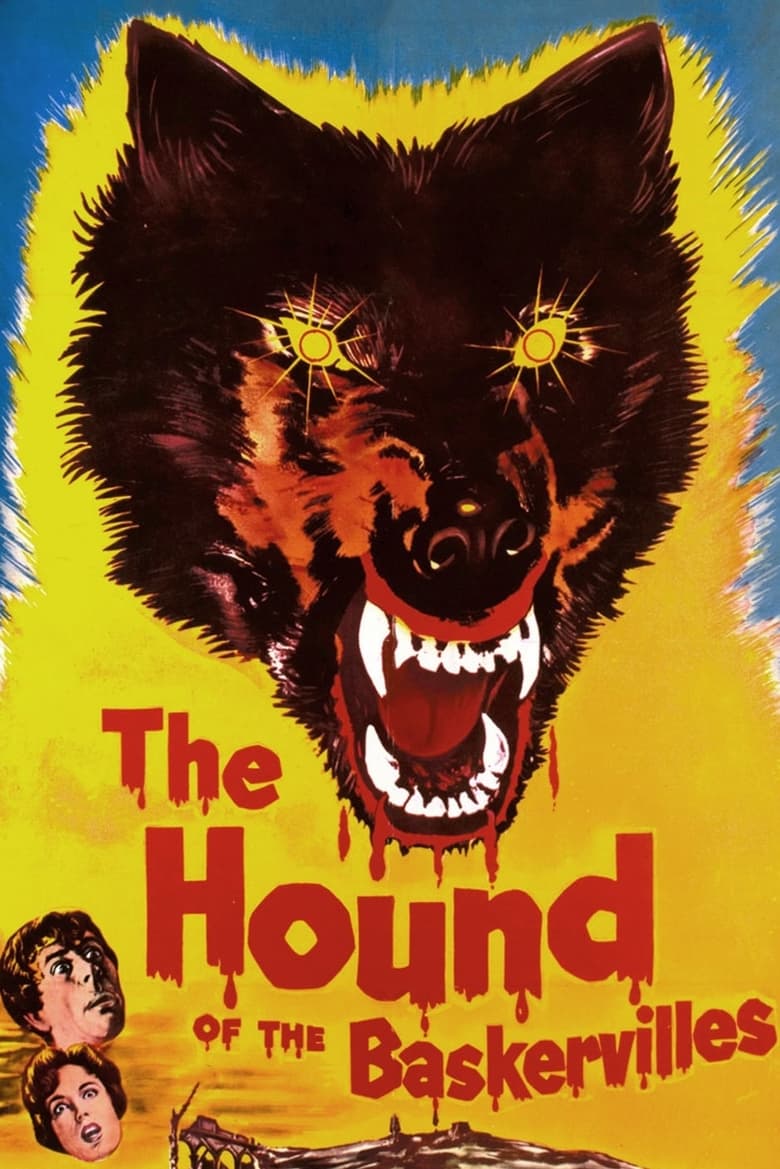
1. The Hound of the Baskervilles (1959)
Why It Stands Out
Based on Arthur Conan Doyle's classic novel, 'The Hound of the Baskervilles' was a standout TV movie in 1959 due to its atmospheric tension and engaging storytelling. This adaptation brought the famous detective Sherlock Holmes to the small screen with a fresh perspective. The suspenseful narrative, combined with the eerie moors and the haunting presence of the hound, created a gripping atmosphere that kept viewers on the edge of their seats.
Collector's Notes
Collectors cherish this movie for its faithful representation of the iconic story and its place in TV history. The film's moody cinematography and compelling performances make it a must-have for fans of mystery and classic literature adaptations. The combination of a well-loved literary detective and the mystique of the Baskerville legend is a timeless draw, making this adaptation a sought-after piece for enthusiasts of both detective fiction and classic TV cinema.
2. The Moon and Sixpence (1959)
Why It Stands Out
Inspired by W. Somerset Maugham's novel, 'The Moon and Sixpence' tells the story of a man who abandons his conventional life to pursue art. This TV movie was notable for its exploration of themes like obsession and personal fulfillment, bringing a literary classic to a wider audience. Its exploration of the artistic spirit and the sacrifices made for passion resonated deeply with viewers, offering a reflective narrative that was both inspiring and cautionary.
Collector's Notes
Collectors value this adaptation for its thoughtful portrayal of the protagonist's inner turmoil and the film's ability to delve into complex character studies, making it a significant piece for those who appreciate dramatic narratives. This film is particularly appealing for collectors interested in adaptations of classic literature, as it captures the essence of Maugham's critique on the human condition and the pursuit of dreams at any cost.
3. The Turn of the Screw (1959)
Why It Stands Out
This adaptation of Henry James's novella is a masterclass in psychological horror. 'The Turn of the Screw' captivates with its eerie atmosphere and ambiguous storytelling, leaving viewers questioning the nature of reality and sanity. The film’s ability to induce psychological tension without relying on overt horror elements marks it as a standout in the genre, effectively using silence and suggestion to evoke fear.
Collector's Notes
For collectors, this film is a gem due to its hauntingly effective use of suspense and its influence on future psychological thrillers. Its subtlety and depth make it a rewarding watch even decades later. The film's ability to maintain an atmosphere of unease and its exploration of the supernatural through a psychological lens make it a prized piece for those interested in the evolution of horror on television.
4. The 27th Day (1959)
Why It Stands Out
'23rd Day' combines science fiction with Cold War tensions, presenting a gripping narrative where ordinary citizens are given the power to decide the fate of the world. This TV movie effectively captured the anxieties of its time, reflecting the pervasive fear of nuclear annihilation and the moral dilemmas posed by such power in the hands of a few.
Collector's Notes
Collectors prize this film for its clever use of sci-fi to comment on real-world issues. Its unique premise and historical context make it a fascinating addition to any collection focused on classic TV cinema. The film is notable not just for its narrative, but for its commentary on human nature and the responsibilities that come with great power, a theme that resonates beyond its era.
5. The Third Man (1959)
Why It Stands Out
Though originally a feature film, 'The Third Man' was adapted for television, continuing the thrilling tale of post-war intrigue and espionage. Its transition to TV preserved the film noir essence that made the original so compelling. The shadowy cinematography and the morally ambiguous characters translated well to the small screen, capturing the essence of a city and its secrets in the aftermath of war.
Collector's Notes
This adaptation is noteworthy for collectors due to its ability to maintain the tension and style of the original film, providing a unique viewing experience for fans of classic noir and espionage. The adaptation serves as a bridge between cinema and television, illustrating how TV could maintain the depth and complexity of its big-screen counterparts.
6. The Days of Wine and Roses (1959)
Why It Stands Out
This TV movie boldly addresses themes of alcoholism and personal struggle through a poignant narrative. 'The Days of Wine and Roses' was groundbreaking for its realistic portrayal of addiction and its emotional impact. It dared to tackle a subject that was often stigmatized, providing a raw and unflinching look at the toll of substance abuse on individuals and relationships.
Collector's Notes
Collectors appreciate this film for its raw and honest exploration of difficult subjects. Its strong performances and the way it tackles social issues make it a valuable piece for those interested in more serious, message-driven cinema. The film's impact lies in its ability to shed light on societal issues through compelling storytelling, marking it as a powerful piece of television history.
7. The Taming of the Shrew (1959)
Why It Stands Out
Shakespeare's comedic tale of love and power dynamics was brought to television with an engaging adaptation that retained the humor and wit of the original play. This version was celebrated for its lively performances and dynamic direction, breathing new life into the classic while making it accessible to a mid-20th-century audience.
Collector's Notes
For collectors, this adaptation is a delightful acquisition due to its faithful yet accessible interpretation of Shakespeare. It's a must-have for fans of classic literature and those who appreciate theatrical flair on screen. The adaptation stands as a testament to the timeless appeal of Shakespeare's works and their adaptability to different mediums.
8. The Velvet Alley (1959)
Why It Stands Out
'Velvet Alley' paints a picture of the seductive yet perilous nature of Hollywood success. Its narrative delves into themes of ambition and the personal costs of fame, resonating deeply with audiences. The film offers a behind-the-scenes look at the glitzy world of showbiz, contrasting its allure with the darker realities faced by those striving for stardom.
Collector's Notes
Collectors are drawn to this movie for its incisive critique of the entertainment industry and its nuanced characters. The film's exploration of celebrity culture makes it a relevant and engaging piece for those interested in Hollywood's golden age. The dual portrayal of glamour and grit provides a deeper understanding of the personal sacrifices entailed in the pursuit of fame.
9. The Desperate Hours (1959)
Why It Stands Out
Adapted for television from the acclaimed play, 'The Desperate Hours' is a tense drama about a family held hostage by escaped convicts. Its gripping plot and intense performances kept viewers on the edge of their seats. The film’s tension is palpable, as it explores themes of fear, courage, and morality under pressure.
Collector's Notes
This adaptation is a favorite among collectors for its suspenseful storytelling and character-driven drama. Its ability to translate theatrical tension to the small screen makes it a standout in TV movie history. The film’s insight into human resilience and its exploration of moral dilemmas in life-threatening situations offer a compelling narrative experience.
10. The Man in the Moon (1959)
Why It Stands Out
A charming tale that blends whimsy and romance, 'The Man in the Moon' offers a lighthearted escape into a world of lunar fantasy. Its creative storytelling and imaginative visuals captured the hearts of viewers. The film's enchanting narrative and visual style provided an uplifting contrast to the more serious themes prevalent in its contemporaries.
Collector's Notes
Collectors enjoy this film for its unique premise and the way it charmingly captures the spirit of 1950s television. Its blend of romance and fantasy makes it a delightful addition to any collection of classic TV movies. The film’s whimsical approach to storytelling and its optimistic outlook serve as an enduring reminder of the era’s imaginative potential.
Revisiting the Golden Era of TV Movies
The TV movies of 1959 represent a remarkable period in television history when the medium began to truly explore its potential for storytelling. These films not only entertained audiences of the time but also paved the way for future generations of television cinema. For collectors, each movie is a snapshot of an era when creativity and innovation were paramount in the entertainment industry. Whether you're drawn to the suspense of a thriller, the depth of a drama, or the whimsy of a fantasy, the TV movies of 1959 offer something for everyone. Dive into these classics and discover the magic that captivated viewers over six decades ago.
These films are more than just relics of the past; they are windows into the cultural and societal landscapes of their time. As television continued to evolve, these early movies set the stage for more ambitious projects and pushed the boundaries of what could be achieved on the small screen. They reflect an era when television was beginning to challenge traditional cinema, providing a platform for stories that were as varied and complex as their audiences. Today, they serve as a testament to the enduring power of storytelling and the timeless appeal of classic television.