Top 10 TV Movies of 1955
Top 10 TV Movies of 1955
A Journey Back to 1955's Television Movies
The year 1955 marked a transformative period in television history. As black-and-white sets became fixtures in living rooms across America, audiences were introduced to a new form of entertainment that was both intimate and immediate. TV movies, distinct from their cinematic counterparts, faced the unique challenge of engaging audiences with smaller budgets and tighter production schedules. Despite these constraints, many TV movies delivered captivating and memorable narratives. These productions offered a glimpse into the creative minds of their time, showcasing the art of storytelling through a new medium. For collectors and enthusiasts, these films are not just relics of the past but are vibrant reminders of the innovation that defined early television. This list explores the top 10 TV movies from 1955, each one a testament to the creativity and ingenuity of its era.
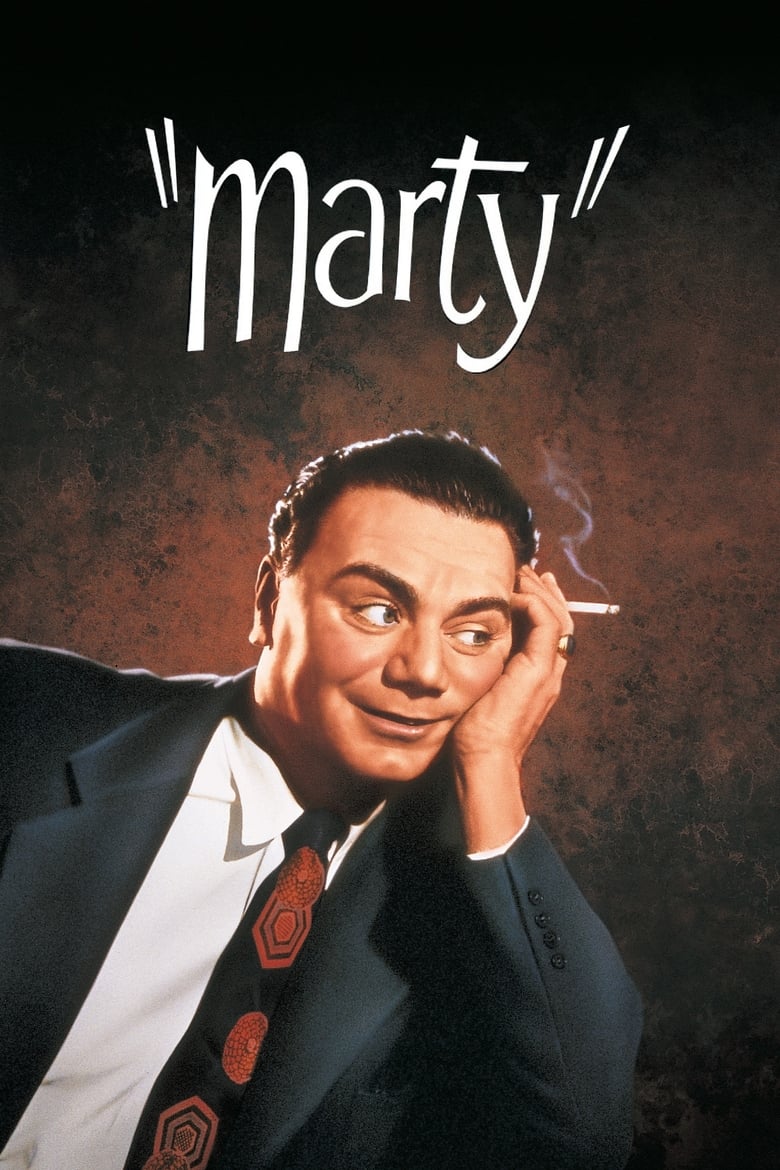
1. Marty (1955)
Why It Still Works
'Marty' tops this list due to its groundbreaking portrayal of everyday life. Adapted from a live teleplay written by Paddy Chayefsky, 'Marty' tells the story of a lonely butcher in the Bronx who finds love in the most unassuming of circumstances. The narrative's strength lies in its exploration of ordinary people and their struggles, capturing the nuances of human emotions and relationships with remarkable depth and realism. This authenticity resonated with audiences, allowing them to see a reflection of their own lives on the screen. The feature film adaptation of 'Marty' went on to win four Academy Awards, including Best Picture, cementing its place in both television and cinematic history.
Collector's Notes
For collectors, 'Marty' is more than a movie; it's a piece of television history that represents a pivotal moment in the evolution of televised storytelling. The original TV version showcases the power of narrative in a compact format, making it a prized possession for those interested in the history of storytelling on TV. Moreover, the film's success demonstrated the potential of television as a breeding ground for talent and creativity, encouraging more writers and directors to explore the medium.
2. The Petrified Forest (1955)
Why It Still Works
This TV adaptation of Robert E. Sherwood's classic play 'The Petrified Forest' successfully brought the tense drama of the stage to the television audience. Featuring the legendary Humphrey Bogart, who reprised his role from the original 1936 film, the production captivated audiences with its intense narrative and strong performances. The story unfolds in a remote diner where a group of people, including a disillusioned intellectual and a ruthless gangster, find their lives intersecting in unexpected ways. The televised version maintained the play's tension and atmosphere, engaging viewers with its exploration of themes such as existentialism and the search for meaning in a chaotic world.
Collector's Notes
Collectors treasure this version for its unique place in TV history. With Bogart's iconic performance, it serves as a bridge between cinema and television, capturing a moment when major film stars were beginning to embrace the small screen. This adaptation is a testament to the fluid relationship between different entertainment mediums, highlighting how television was becoming a respected platform for storytelling.
3. No Time for Sergeants (1955)
Why It Still Works
'No Time for Sergeants' is a comedic gem that brought humor and charm to television audiences. The story follows a naive but well-meaning Georgia farm boy who is drafted into the Air Force, where his innocent outlook and unorthodox methods create chaos and hilarity. Starring Andy Griffith in his breakout role, this TV movie was pivotal in launching his career, showcasing his comedic timing and likable persona. The production's success paved the way for Griffith's future in television and film, including his iconic role in 'The Andy Griffith Show.'
Collector's Notes
For collectors, 'No Time for Sergeants' is a must-have due to its cultural significance and influence on TV comedy. It's a delightful piece that highlights the transition of stars from stage to TV, and eventually, to film, making it a cornerstone for any collection focused on entertainment history. The movie exemplifies how television could effectively adapt comedic stage productions, bringing laughter and joy to audiences nationwide.
4. Alice in Wonderland (1955)
Why It Still Works
This adaptation of Lewis Carroll's 'Alice in Wonderland' transported television audiences into a world of whimsy and fantasy. With creative sets and costumes, the production captured the imagination of children and adults alike, offering a visual feast that was rare for the time. The story follows Alice's adventures in a fantastical land where she encounters curious characters and peculiar situations, staying true to the spirit of Carroll's beloved tale. This ambitious production demonstrated television's ability to create immersive and fantastical worlds, pushing the boundaries of what was possible on the small screen.
Collector's Notes
Collectors value this version for its ambitious production and its role in expanding the boundaries of what TV could achieve in terms of fantasy storytelling. It stands as a testament to the creative possibilities of the era, showcasing how television could bring classic literature to life in a way that was accessible and enchanting for the whole family.
5. The Night America Trembled (1955)
Why It Still Works
This dramatization of the infamous 1938 'War of the Worlds' radio broadcast captured the imagination of TV audiences with its clever recreation of the panic and chaos that ensued. The original broadcast, directed and narrated by Orson Welles, had famously convinced listeners that an actual Martian invasion was taking place. The TV movie provided a thrilling viewing experience by depicting the behind-the-scenes chaos and the public's reaction to the broadcast. This meta-narrative offered a fascinating look at the power of media and its ability to influence public perception, reflecting on the responsibility that comes with such influence.
Collector's Notes
For those interested in media history, 'The Night America Trembled' is a fascinating artifact. It illustrates the power of media and its ability to shape public perception, making it an essential addition for collectors focused on the evolution of broadcast storytelling. The production serves as a reminder of the impact and reach of radio and television, highlighting the importance of critical engagement with media.
6. Our Town (1955)
Why It Still Works
This televised version of Thornton Wilder's classic play 'Our Town' captured the simplicity and depth of small-town life with remarkable fidelity. The production emphasized the universality of human experiences, resonating with audiences through its poignant storytelling. Set in the fictional town of Grover's Corners, the play explores the everyday lives of its residents, touching on themes such as love, marriage, and mortality. The televised adaptation preserved the play's minimalist staging and direct address to the audience, creating an intimate and engaging viewing experience that emphasized the emotional connections between characters and viewers.
Collector's Notes
Collectors appreciate this adaptation for its faithful representation of the play and its role in popularizing live televised drama. It serves as a reminder of the power of live performance on TV and the emotional connection it can create with viewers. This production highlights television's ability to bring theatrical experiences into the home, making theater accessible to a wider audience.
7. Patterns (1955)
Why It Still Works
'Patterns' is celebrated for its exploration of corporate America and the ethical dilemmas faced by its characters. Written by Rod Serling, the TV movie offers a sharp critique of business practices, making it a thought-provoking piece that resonated with viewers. The story revolves around a young executive navigating the cutthroat world of corporate politics, confronting issues of ambition, integrity, and the human cost of success. Serling's incisive writing and the production's strong performances created a compelling narrative that invited audiences to reflect on the moral complexities of professional life.
Collector's Notes
This TV movie is a gem for collectors due to its sharp writing and historical context. As an early work of Rod Serling, it holds significant value for those interested in the origins of his storytelling prowess that would later culminate in 'The Twilight Zone.' 'Patterns' exemplifies how television could tackle serious themes and provoke thoughtful discussion, setting the stage for more socially conscious narratives in the medium.
8. Requiem for a Heavyweight (1955)
Why It Still Works
This dramatic tale of a washed-up boxer facing the end of his career was a poignant look at the human spirit and the struggle for redemption. Written by Rod Serling, the story's emotional weight and raw performances made it a standout TV movie of its time. The narrative follows the boxer's journey as he grapples with the loss of his identity and searches for a new purpose beyond the ring. The production's powerful exploration of themes such as resilience, dignity, and the fleeting nature of fame resonated with viewers, highlighting the capacity of television to deliver complex and moving stories.
Collector's Notes
Collectors prize 'Requiem for a Heavyweight' for its powerful narrative and its reflection on the fleeting nature of fame. It's an important piece of television history, showcasing the medium's ability to tackle complex themes with sensitivity and depth. The production serves as a reminder of the human capacity for perseverance and transformation, making it a valuable addition to any collection focused on mid-century television drama.
9. The Desperate Hours (1955)
Why It Still Works
A tense hostage drama, 'The Desperate Hours' brought edge-of-your-seat suspense to the small screen. The narrative follows a suburban family held hostage by escaped convicts, creating a high-stakes situation that tests the characters' limits and moral boundaries. The film's taut narrative and strong performances kept audiences glued to their seats, demonstrating television's ability to deliver gripping and intense storytelling.
Collector's Notes
As a collector's item, this TV movie is valued for its suspenseful storytelling and its role in shaping the thriller genre on television. It remains a classic example of how TV movies could deliver high-stakes drama comparable to theatrical releases. The production highlights the potential of television to create tension and drama that rivaled the best of cinema, making it a must-have for collectors interested in the evolution of the thriller genre.
10. The Catered Affair (1955)
Why It Still Works
This poignant drama about a family's struggle to afford their daughter's wedding brought a slice of life drama to television. The narrative focuses on the tensions and sacrifices that arise as the family navigates financial constraints and personal aspirations. Its relatable themes and strong characterizations resonated with viewers, offering a heartfelt exploration of family dynamics and the pursuit of happiness.
Collector's Notes
Collectors cherish 'The Catered Affair' for its heartfelt narrative and its insight into post-war family dynamics. It's a wonderful example of how TV movies could explore everyday challenges with empathy and nuance, making it a valuable addition to any collection focused on mid-century television. The production demonstrates television's ability to tell intimate stories that reflect the hopes, dreams, and struggles of ordinary people, resonating with audiences on a personal level.
A Treasure Trove of TV History
The top TV movies of 1955 offer a fascinating glimpse into the era's storytelling and production capabilities. These films provide a unique perspective on how television was evolving, capturing the imagination of audiences with stories that were both innovative and reflective of the times. For collectors, these films represent more than just entertainment; they are historical artifacts that showcase the medium's early potential and the timeless appeal of great storytelling. Whether you're a seasoned collector or a casual enthusiast, these TV movies are a valuable addition to any collection, offering both nostalgia and insight into the early days of television. Each film on this list is a testament to the creativity, ingenuity, and passion that defined a transformative era in the history of television, leaving a lasting legacy that continues to inspire storytellers and audiences alike.